

introduction
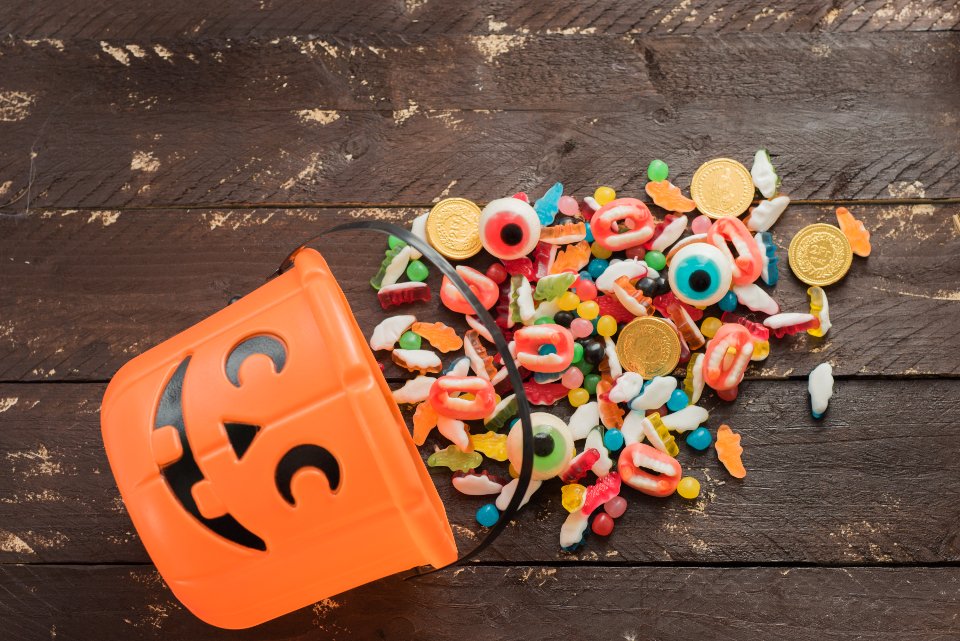
October 31st is here and with it comes the pumpkins, the costumes and “trick or treat”. Halloween night is full of fun and a few frights, but those frights are best left to the decorations. During Halloween celebrations there’s more chocolate, more candy and more wrappers within reach of your dog’s nose and your dog doesn’t know what’s good for it and what isn’t. Add doorbells ringing nonstop and people in costumes at the door and you have the recipe for a stressful night for your furry friend.
CHOCOLATE, CANDY AND DOGS AT HALLOWEEN
chocolate, candy and dogs at halloween: why it’s toxic and what to do

why is chocolate toxic to dogs?
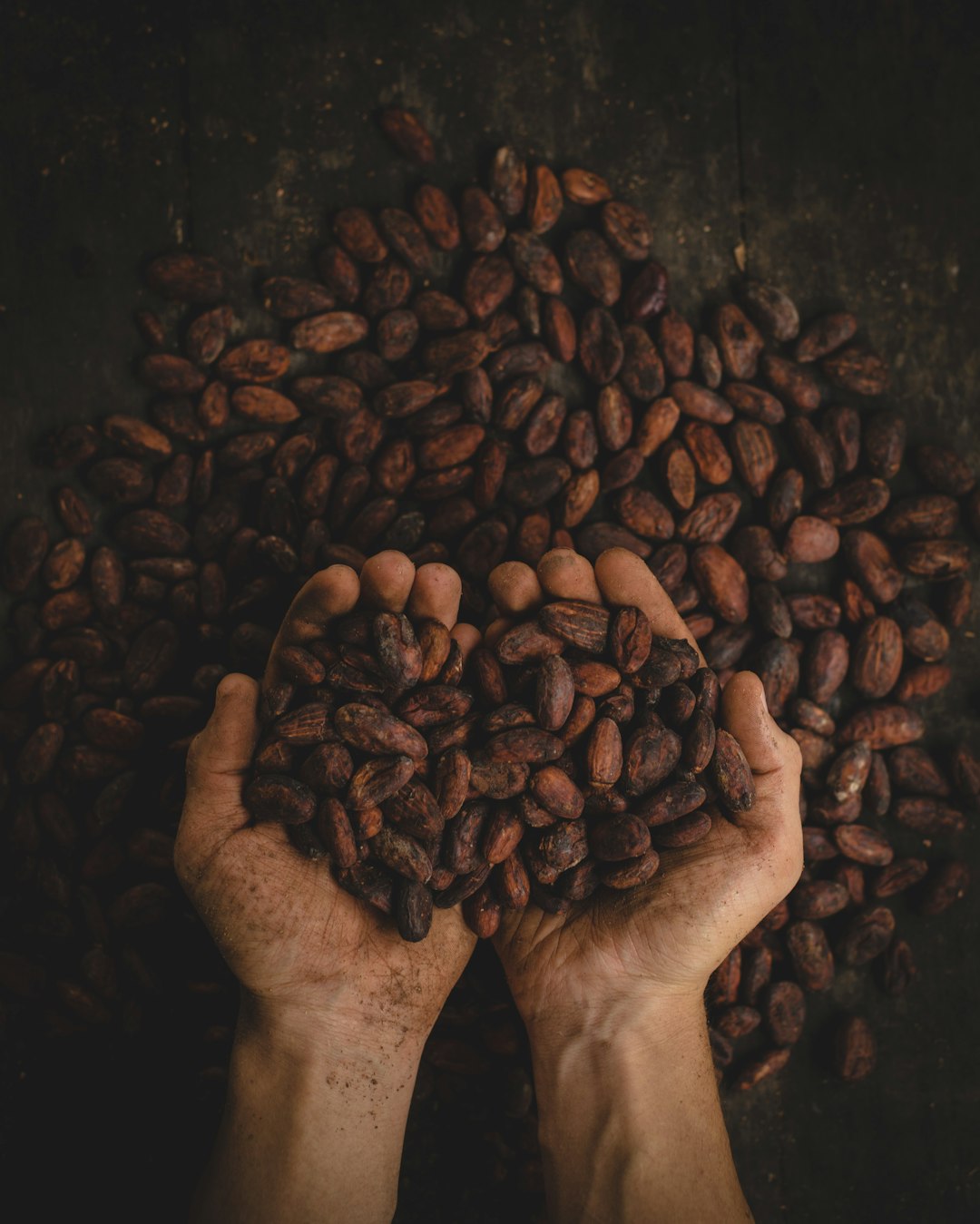
The problem with chocolate is called theobromine. It’s a natural substance in cocoa (Theobroma cacao) from the same family as caffeine, the methylxanthines. Chocolate also contains some caffeine, though in smaller amounts. In people, theobromine is eliminated quickly. Dogs, on the other hand, metabolize it very slowly: it takes about 10 hours to reach its peak concentration in the blood, so the effect lasts for hours (Cortinovis & Caloni, 2016).
What does it do in the body? It stimulates the nervous system and the heart, like an “overdose of coffee” that the dog can’t clear in time. That’s why the symptoms are nervous (restlessness, tremors), cardiac (racing heart) and digestive (vomiting and diarrhea). The mechanism is the same in dogs and cats.
how much chocolate is dangerous for a dog?
It depends on three factors: the type of chocolate, the amount eaten and the dog’s weight. Not all chocolate is the same. The purer and darker it is, the more theobromine it contains, as described in the review by Cortinovis and Caloni (2016):
- Cocoa powder and unsweetened baking chocolate: more than 14 mg of theobromine per gram. This is the most dangerous.
- Dark chocolate: about 5 mg per gram.
- Milk chocolate: about 2 mg per gram.
- White chocolate: contains hardly any theobromine, although its sugar and fat can cause gastrointestinal upset.

According to data from the ASPCA Animal Poison Control Center cited in the same review, mild symptoms appear from about 20 mg of theobromine per kilo of body weight. Severe symptoms appear at 40–50 mg/kg, and seizures from 60 mg/kg.
A practical example with approximate figures: a 10 kg dog that eats a 100 g bar of milk chocolate takes in about 200 mg of theobromine, or roughly 20 mg/kg. It could already show mild symptoms. If the same bar is dark chocolate, the dose rises to about 50 mg/kg, which falls within the range for severe symptoms. And a small 4 kg dog reaches those figures with much less. Remember that the actual content varies between brands, so these calculations should always be made by checking the product label.
The good news is that not every case is serious. In a study of 386 cases of dogs that ate chocolate, seen at 229 veterinary practices in the United Kingdom, 41% of the dogs whose dose could be calculated had eaten a non-toxic amount and none showed life-threatening signs (Noble et al., 2017). Even so, more than half reached the clinic within the first six hours, and acting quickly is exactly what makes the difference.
symptoms of chocolate poisoning in dogs
The first signs usually appear 2 to 4 hours after eating it (Cortinovis & Caloni, 2016). These are the most common:
- Vomiting and diarrhea.
- Restlessness, nervousness or hyperactivity: the dog can’t keep still.
- Excessive thirst and needing to urinate more than usual, sometimes with accidents.
- Panting and a raised body temperature.
- Racing heart (tachycardia).
If the dose is high, arrhythmias, muscle stiffness, lack of coordination, tremors and seizures may appear. Because theobromine takes a long time to be eliminated, a dog that seems fine after half an hour can get worse later. That’s why it’s not a good idea to wait and see.
xylitol: the hidden danger in “sugar-free” sweets
If chocolate is the well-known danger, xylitol is the great unknown. It’s a sweetener widely used in chewing gum (code E-967), candy, baked goods and “sugar-free” products and also in some toothpastes. It’s safe for people, but in dogs it triggers a massive release of insulin, the hormone that lowers blood sugar. The result is hypoglycemia (a sudden drop in blood glucose), which can be followed by liver damage (Murphy & Coleman, 2012).
The amounts that can affect a dog are very small: hypoglycemia has been described with as little as 0.03 g of xylitol per kilo of body weight, and liver damage from 0.5 g/kg (Cortinovis & Caloni, 2016). Symptoms can appear within 30–60 minutes or be delayed by up to 12 hours. Vomiting is usually the first sign, followed by lethargy, lack of coordination, collapse and, in severe cases, seizures.
Early care is key. In a recent study of 95 dogs that ate xylitol, those that already had symptoms when they arrived at the clinic were almost twice as likely to develop liver damage. In contrast, dogs in which the vet induced vomiting developed less liver damage, and none went on to liver failure (Lovell et al., 2025). With prompt care, the outlook is usually good (Murphy & Dunayer, 2018).
what to do if your dog has eaten chocolate or candy
- Stay calm and remove whatever is left so it can’t keep eating.
- Find out what and how much it ate: type of chocolate, approximate grams and the time. Keep the wrapper or label, especially to check whether it contains xylitol.
- Contact your vet straight away, even if your dog seems fine. With the dog’s weight and the type of chocolate, they can work out whether the dose is dangerous.
- Don’t make your dog vomit at home or give home remedies (salt, hydrogen peroxide, milk…). If the stomach needs emptying, the vet will do it with safe medication. The outlook is usually good when action is taken within the first 2–4 hours (Cortinovis & Caloni, 2016).
- If your vet isn’t available, go to a 24-hour emergency veterinary clinic. It’s a good idea to find the nearest one before October 31st.

other dangers for dogs on halloween night
- Raisins and grapes: they can cause kidney failure in dogs, and sensitivity varies so much that any amount should be considered a risk (Cortinovis & Caloni, 2016). Watch out for cakes, sweet breads and baked snacks that contain them.
- Wrappers and lollipop sticks: wrappers smell of candy and your pet may swallow them whole. Plastic or foil can cause an intestinal obstruction, which is an emergency.
- Pumpkins with candles and decorations: a wagging tail near a candle or a puppy chewing on cables and decorations are very common accidents.
- Doorbells, noise and people in costumes: for many dogs, seeing masks and hearing the doorbell every five minutes is a constant fright. On top of that, with the door opening all the time, it’s easy for them to escape.
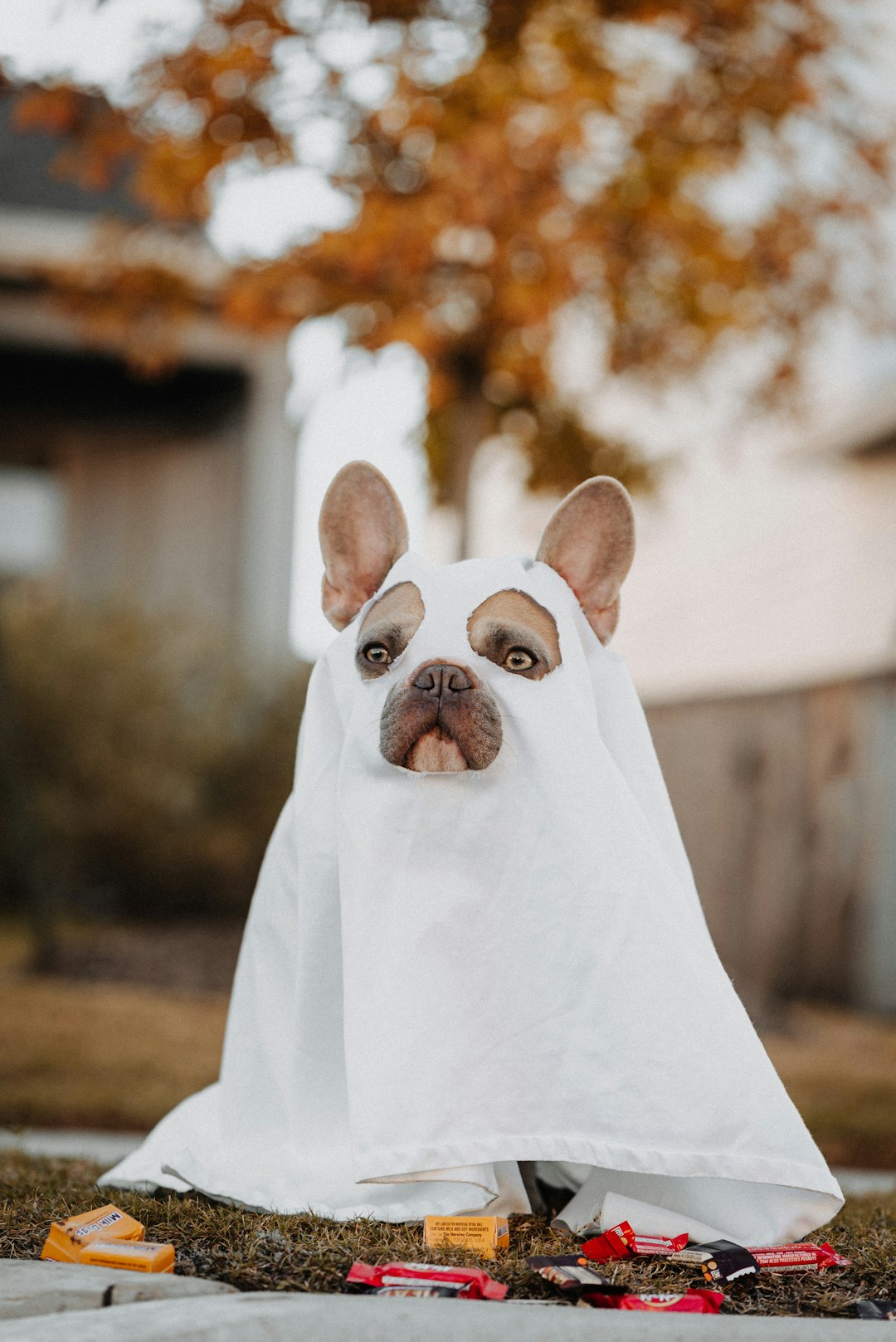
- Pet costumes: if your dog enjoys it, choose a comfortable one that isn’t tight, doesn’t cover its eyes, ears or muzzle and has no parts it can chew. If it freezes, hides or tries to take it off, it’s not having a good time: a simple bandana is enough.
halloween for dogs: keys to a safe celebration
- Keep Halloween sweets in high or closed cupboards, never on a low table or in the costume bag on the floor.
- Talk to the children at home: the dog can’t share their candy, not even “a little bit”.
- Set up a quiet room for your dog during the busiest visiting hours, with its bed, water and something safe to chew.
- Check that its microchip and ID tag are up to date, in case it gets out.
- If you want it to join in the fun, offer a snack made specifically for dogs, with no chocolate, xylitol or raisins, as an extra to its usual diet and not as a replacement.
- Take your dog for a walk before the “trick or treat” rush begins, so it reaches the evening more tired and relaxed.
conclusion
Halloween can be a celebration for your dog too if you take a few precautions: chocolate and candy out of reach, an eye out for xylitol, care with wrappers and a quiet corner for the night of the 31st. And if, despite everything, it eats something it shouldn’t, don’t wait for symptoms: call your vet as soon as possible. May the only fright this Halloween come from the costumes!
frequently asked questions
Why is coffee poisoning less common in dogs?
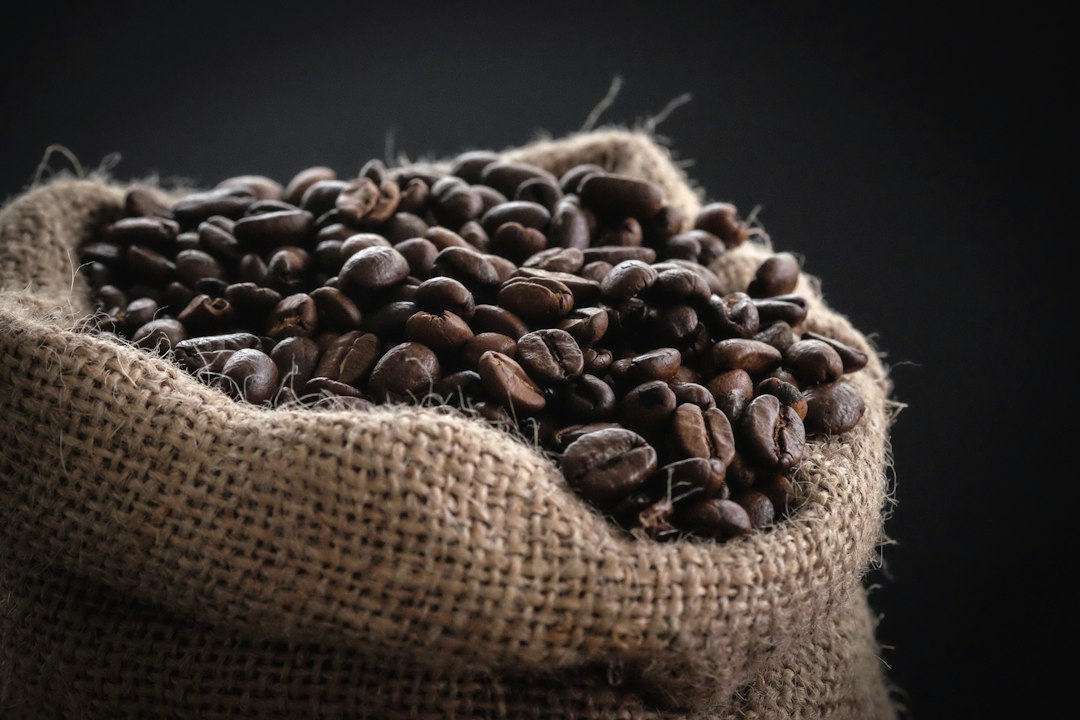
Coffee contains caffeine, from the same family as theobromine, and it’s also toxic to dogs. In fact, caffeine is absorbed much faster than theobromine, so its symptoms can appear sooner (Cortinovis & Caloni, 2016). If fewer cases are seen, it’s probably because chocolate is far more tempting: it’s sweet, fatty and aromatic and it tends to be left within reach as bars, chocolates or cakes. A cup of coffee, by contrast, is drunk quickly and its bitter taste holds little appeal for dogs.
That doesn’t mean coffee is harmless. Caffeine poisoning usually comes from more concentrated sources: coffee beans or grounds, capsules, caffeine pills, energy drinks or supplements containing guarana (Cortinovis & Caloni, 2016). In a study of 47 dogs that ate an herbal supplement containing guarana and ephedra, most showed signs such as hyperactivity, tremors or seizures (Ooms et al., 2001). Keep them out of reach, just like chocolate.
Are there as many cases of chocolate poisoning in cats?
No, they’re much less common in cats. Theobromine is also toxic to them, but dogs are poisoned far more often because they eat almost anything they find (Cortinovis & Caloni, 2016). What’s more, cats can’t taste sweetness: one of the genes that make up their sweet taste receptor doesn’t work, so sugar doesn’t attract them (Li et al., 2005). Even so, it can happen, so the same precautions apply to cats at home too.
Are there safe sweet snacks for dogs?
Yes. The safest are snacks formulated specifically for dogs, which contain no chocolate, xylitol, raisins or other toxic ingredients. Even so, always check the label. The World Small Animal Veterinary Association (WSAVA) recommends that treats make up no more than 10% of a dog’s daily calories and never replace a meal (WSAVA, 2024). To give you an idea, for a 10 kg dog that means about 47 kcal a day in treats.



Síguenos



Una marca de