
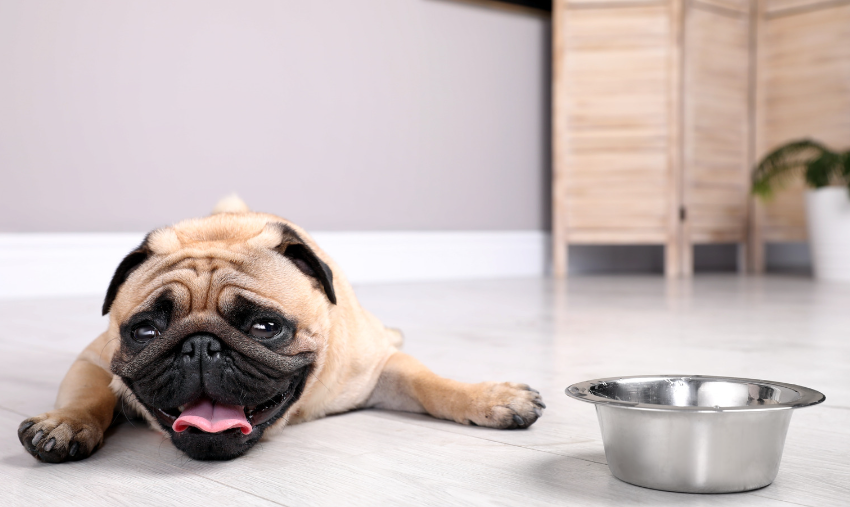
Summer is approaching, bringing with it hot, sunny days, outdoor walks, beach afternoons and mountain getaways with our four-legged companions. However, the rising temperatures also bring along a silent enemy we need to watch closely: canine dehydration.
Dehydration in dogs is an extremely common health problem at veterinary clinics during the summer season, and it can alarmingly compromise your best friend’s health and vitality if it isn’t detected in time.
As responsible guardians, we always want to see our dogs happy, healthy and wagging their tails. In this article we’ll explain, in a very simple way, how to spot the symptoms of fluid and electrolyte loss, what types exist, how to act using effective solutions, and what preventive measures to take to keep your dog hydrated and ensure your best friend enjoys a safe summer.
How does dehydration happen in your dog, and why is it dangerous?
To put it simply, water is the engine of life for our dogs. The fluid that makes up their body isn’t just pure water; it’s a solution containing vital mineral salts known as electrolytes. Cellular and extracellular water is responsible for transporting nutrients to the organs, eliminating toxins, cushioning the joints and, most importantly in summer, keeping their internal body temperature regulated.
Dehydration occurs when a dog loses more water and mineral salts than it takes in, creating a fluid and electrolyte imbalance throughout its body. This isn’t simply a feeling of “being thirsty” that’s solved instantly with a sip of water. When a dog’s body becomes dehydrated, blood volume drops, making it harder for the heart to pump effectively.
This happens when a dog loses more fluids than its body can naturally compensate for, directly affecting the elasticity of its skin and the health of its organs. The lack of fluids prevents the organs from receiving enough oxygen, which can trigger acute kidney disease due to reduced kidney filtration, and lead to other conditions if left untreated.
Degrees of dehydration and how they’re classified: how do you measure severity?
Dehydration in our pets doesn’t always present with the same intensity. Depending on the percentage of fluids the dog has lost, the situation can range from a mild case we can handle at home to a critical veterinary emergency.
To assess the severity of dehydration, veterinary clinicians usually classify it into clear physical levels:
- Mild dehydration (under 5%): This level is usually subclinical, meaning it’s almost imperceptible at first glance in a healthy dog. Behavior tends to be normal, although you may notice the gums are slightly dry or tacky to the touch. At this point, the body is compensating for the lack of water internally.
- Moderate dehydration (5–9%): When petting your dog you’ll notice the skin has lost its natural elasticity, the eyes look slightly sunken, and the gums are quite dry and sticky. The animal appears lethargic, uninterested in playing, and seeks out cool places to lie down. But how do you know if it’s necessary to go to the emergency vet? Whenever you observe extreme weakness, you should seek a consultation.
- Severe dehydration (over 10–12%): Severe dehydration represents an immediate risk. The dog’s paws and ears feel cold to the touch, the gums appear pale or bluish, the heart rate is very fast but weak, and it may suffer severe lethargy or loss of consciousness.
Understanding your dog’s fluid dynamics is vital. Additionally, depending on the proportion of water and sodium lost, dehydration is classified into three types:
1. Isotonic: Water and sodium are lost in similar proportions. This is the most common type when dogs suffer from vomiting or diarrhea caused by heat.
2. Hypertonic: More free water is lost than electrolytes. This is typical of intense, prolonged panting during summer without access to fresh water. Blood sodium rises and the body’s cells lose water to balance the space outside them.
3. Hypotonic: More electrolytes are lost than free water, which causes water to move into the cells, worsening dehydration in the circulatory space.

Main causes of dehydration and how to identify the symptoms
As guardians, the greatest act of love is daily observation. To protect your companion from summer risks, it’s vital to know both the main causes of dehydration and how to spot early symptoms before they become a bigger problem.
The main causes of dehydration during the summer season are usually prolonged sun exposure, intense physical exercise during hot hours, lack of access to clean, fresh water, or unusual fluid loss due to vomiting, diarrhea or fever.
If you keep asking yourself “how do I know if my dog is dehydrated?” or “how do I know if my dog is too hot?”, don’t worry. Here’s how to spot the warning signs and check the symptoms of dehydration yourself at home:
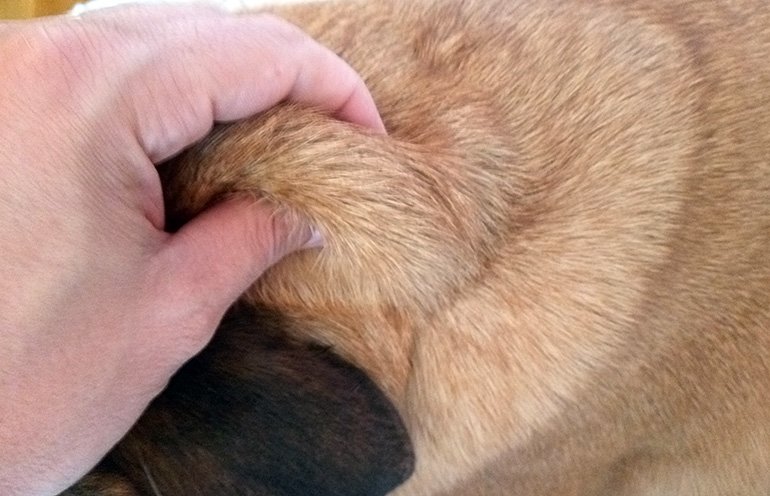
- The skin turgor test (skin fold): Gently grab a fold of skin on your dog’s back or neck between your fingers and lift it carefully. If your dog is well hydrated, you’ll see the skin spring back to its smooth original position instantly when you let go. On the other hand, if the skin takes time to return and the fold stays raised for a few seconds, it’s a sign that your pet needs water and mineral salts.
- Dry, sticky gums: Lift your dog’s lip and touch the gums with your fingertip. Normally they should feel very moist and slippery. If they feel sticky or dry, you’re looking at one of the most reliable and earliest symptoms of dehydration.
- Capillary refill time (CRT): Gently press your dog’s gum with your finger until the area turns whitish, then release. If it takes more than two seconds to regain its normal pink color, it means blood isn’t circulating properly due to a lack of fluids in the system.
- Sunken eyes and a dull look: In a hydrated dog, the eyes shine and look full of life. When the body lacks water, the eyeballs retract slightly into the sockets and the cornea loses its characteristic moist shine.

- The amount of urine produced: If you notice the amount of urine is very scarce, or that your dog urinates less often than usual and it’s a very dark or cloudy yellow color, it’s because the kidneys are concentrating the urine to the maximum.
- Thick saliva: If your dog is panting but you notice its saliva is extremely viscous, thick or foamy at the corners of its mouth, its body is in an advanced state of fluid conservation.
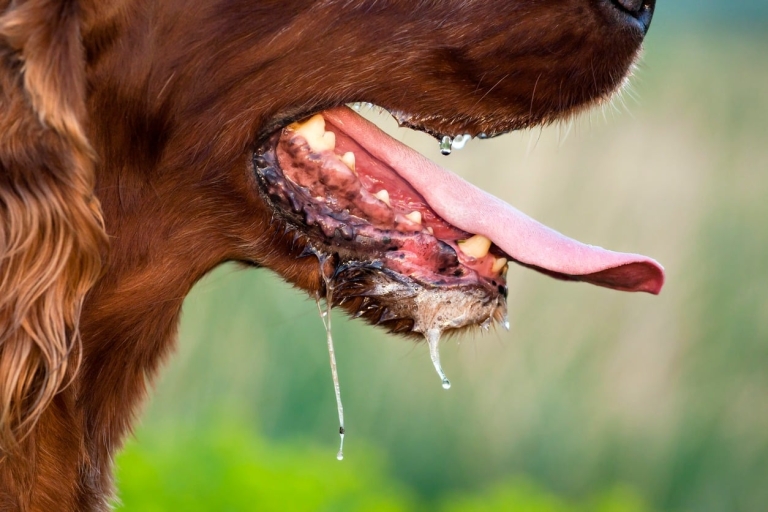
Learning to recognize these signs of dehydration in dogs will allow you to make quick decisions and protect your best friend from the consequences of extreme heat.
Treating dehydration: how to act?
Treating dehydration involves replacing the water, mineral salts and electrolytes the body has lost. To treat dehydration in dogs effectively and safely at home (in mild or moderate cases without vomiting), we need to act immediately. If you’re wondering how to treat dehydration, the most natural answer is to offer an oral rehydration solution to a dehydrated dog to replace its fluids.
However, there’s something important you should know: if you try to treat dehydration in dogs by offering only tap water in a state of severe loss, the body won’t retain the fluids properly. IsosPet from NutriPetDog is an oral hydration solution developed by animal health experts. IsosPet contains a balanced mix of sugars and essential electrolytes to safely maintain your pet’s osmotic balance.

Method of preparation and use of IsosPet
1. Dilution: Dissolve one sachet of IsosPet in 500 ml of fresh, clean water to obtain an ideal drink with the right salinity, free of impurities, that will keep the water clean and fresh.
2. Preparation: Stir the mixture vigorously to make sure it dissolves completely.
3. Administration: Offer it as the only drinking water. If the dog refuses it at first due to fatigue, administer it slowly with a syringe at the side of the mouth.
4. Duration: Keep it up until you notice your dog has recovered.
(Note: If your dog has continuous vomiting or signs of shock, take it to the vet as soon as possible.)
Golden tips to prevent dehydration in dogs this summer
To make sure your loyal companion stays a hydrated, happy and active dog, follow these preventive recommendations:
- Fresh water always within reach: Provide water in shaded, cool spots. Add some ice to the bowl.

- Avoid walks during peak hours: Don’t go out for walks between 11:00 a.m. and 6:00 p.m., to prevent heatstroke.

- The car is an oven: Never leave your dog inside the car in the sun.
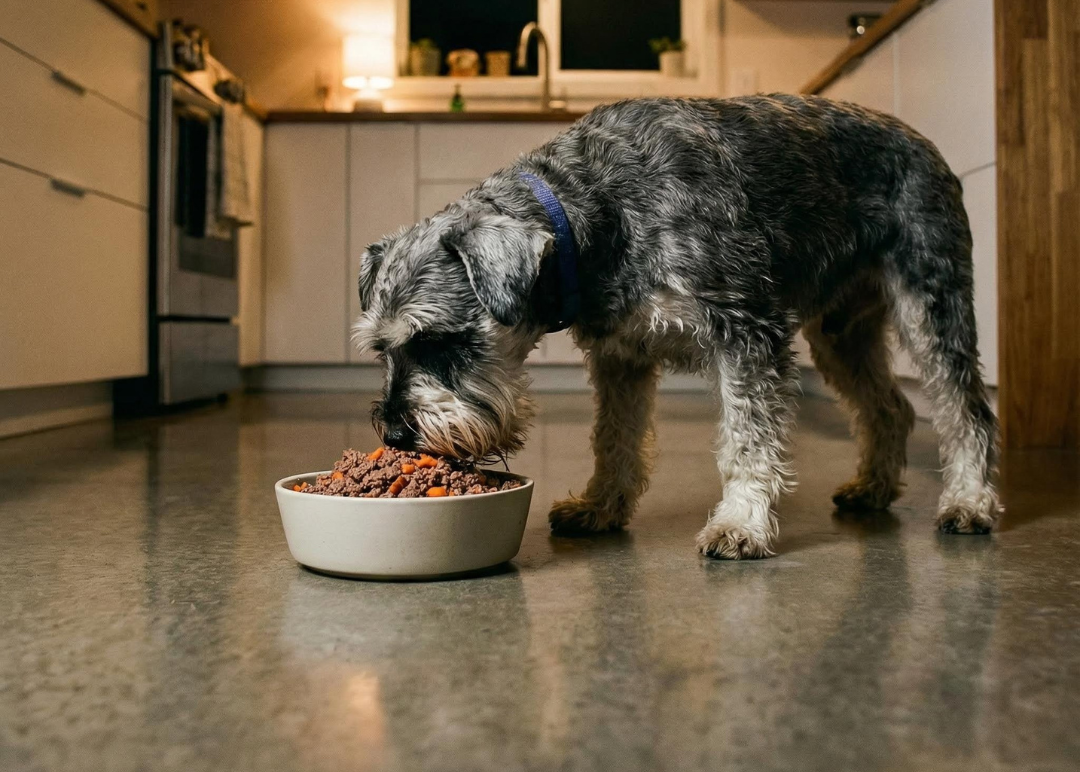
- Supplement with wet food: If your dog eats dry kibble, add a little quality wet food to its ration to boost its daily hydration in a tasty way.
- Travel kit: On car trips or hikes, stop every 2–3 hours and offer fresh water and a sachet of IsosPet.
Enjoying a fantastic summer with our best friends is easy if we act with care and love. By keeping them in the shade, watching their gums, and always carrying IsosPet in your backpack to replenish their minerals right away, your dog will be ready to run, play, and be the happiest pup of the season. Enjoy summer responsibly!
Frequently Asked Questions
Are there dog breeds that are more prone to dehydration or heatstroke during summer?
Yes, brachycephalic breeds (such as the English Bulldog, French Bulldog or Pug) are at much greater risk due to their respiratory anatomy, which makes it harder for them to pant efficiently to dissipate heat. Dogs with very thick or dark coats, older dogs, and those with heart conditions also suffer heat stress much more quickly on hot days.

Is it advisable to bathe or wet my dog with completely ice-cold water or use ice directly if I suspect a severe heatstroke?
No, using ice-cold water or ice directly is extremely dangerous because it causes rapid vasoconstriction in the blood vessels, preventing the internal heat from being released to the outside. The correct approach is to use lukewarm or cool water to gradually moisten the head, armpits and groin, allowing your dog’s temperature to drop progressively.
Can I safely use a human oral rehydration solution (like the ones from a pharmacy) to help my pet recover at home?
Although this has been suggested in extreme emergencies, human rehydration solutions have sodium and glucose concentrations designed for our physiology, not for dogs. An imbalance in these components, or the use of unsuitable sugars, can cause osmotic diarrhea in your dog, drastically worsening the dehydration and original fluid loss. For this reason, it’s always best to use a solution with a specific formulation, like IsosPet, to guarantee a fast, balanced and safe recovery for your dog’s body.


