
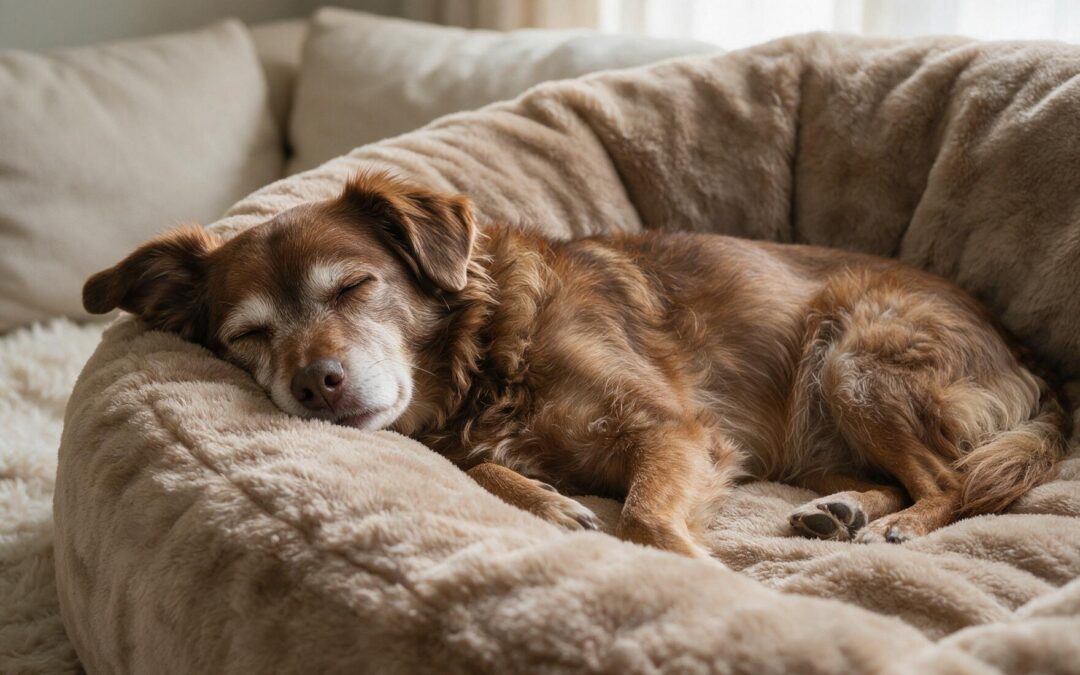
1. Pathophysiology and etiology: Joint wear and tear in dogs, cats and problems in your dog’s joints
Synovial or diarthrodial joints in small animals are complex biomechanical systems designed to allow movement, absorb shock and provide structural stability. Anatomically, a functional synovial joint includes the joint capsule, hyaline cartilage, synovial membrane, synovial fluid and subchondral bone, complemented by a supporting apparatus consisting of ligaments, tendons and peripheral muscle mass.
In healthy adult specimens, hyaline articular cartilage is composed of approximately 70% water contained within an extracellular matrix rich in collagen and proteoglycans. Lacking vascularization, innervation and lymphatic drainage, cartilage relies exclusively on the passive diffusion of nutrients such as glucose, amino acids and oxygen from the synovial fluid. The synovial membrane synthesizes this fluid, which plays a fundamental role as a viscous lubricant and dynamic shock absorber, minimizing friction between the articular surfaces during locomotion. Maintaining joint health in dogs and cats is essential to prevent premature joint wear and ensure a better quality of life.
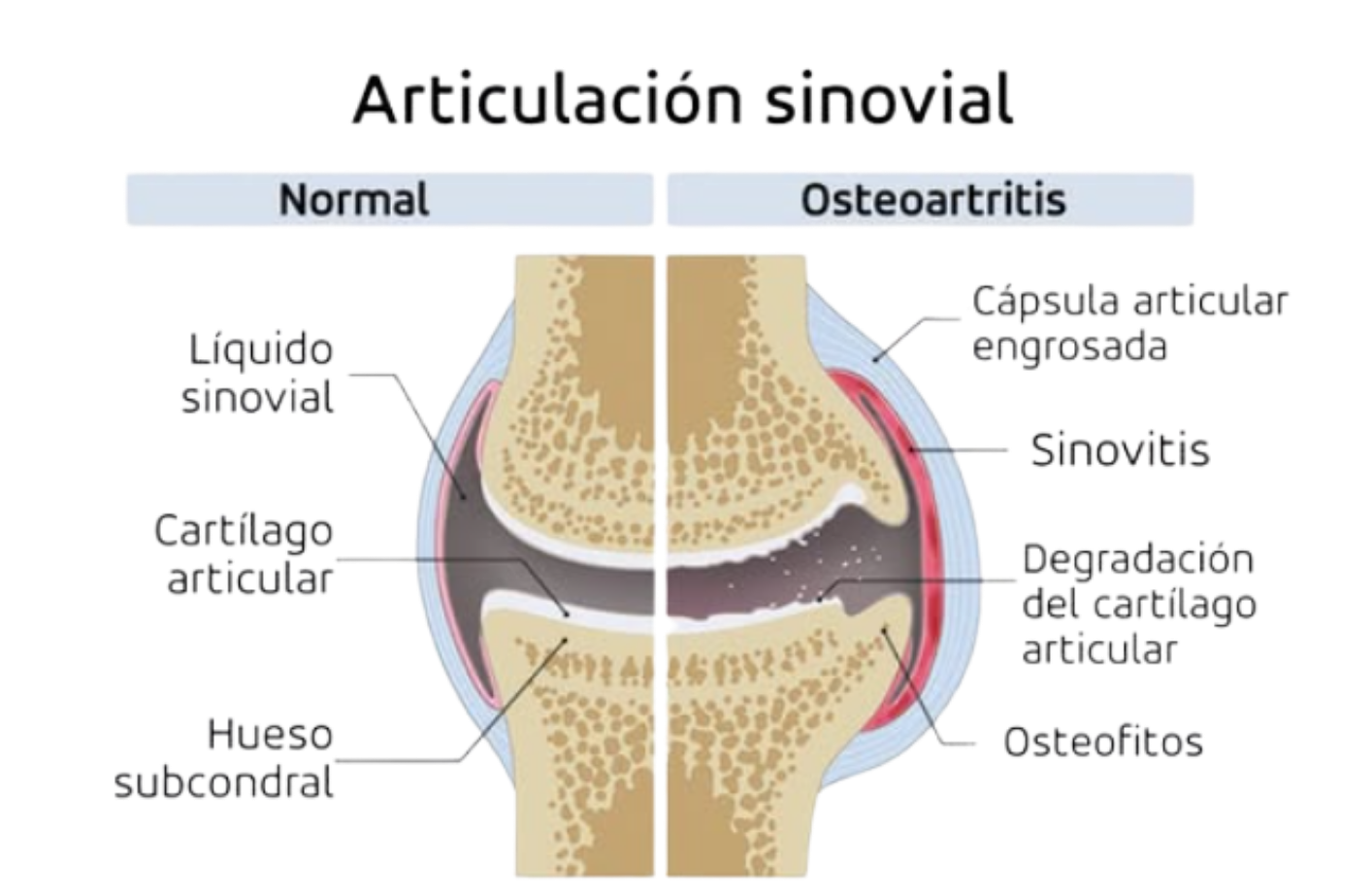
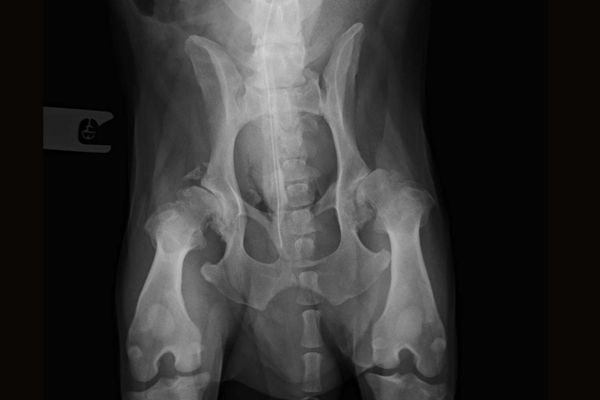
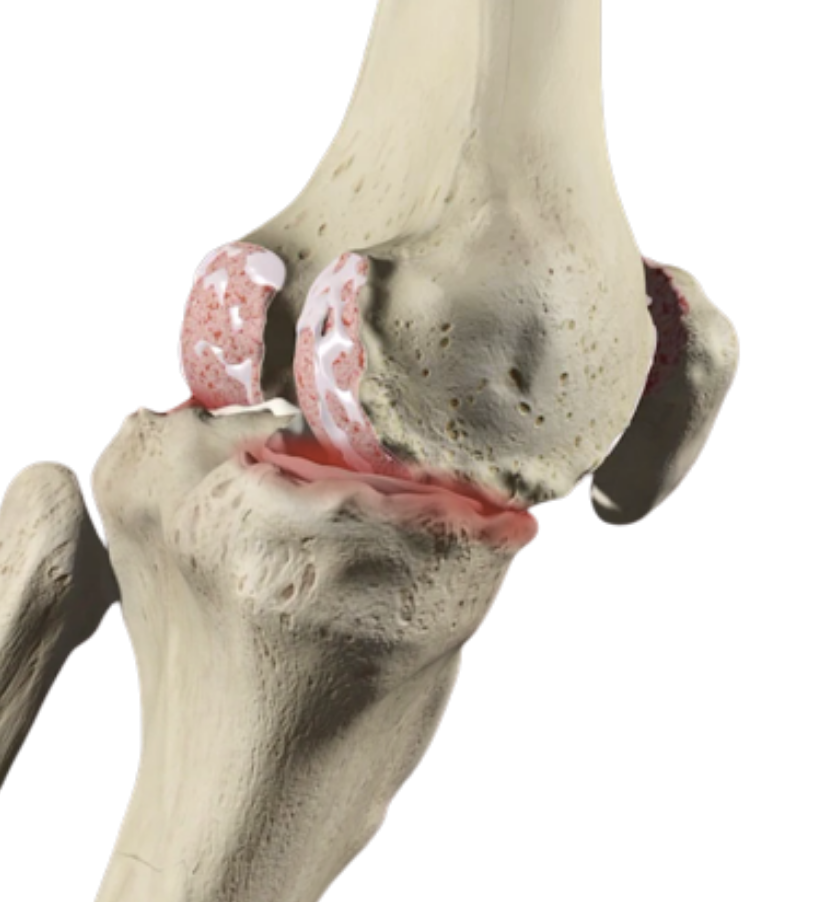
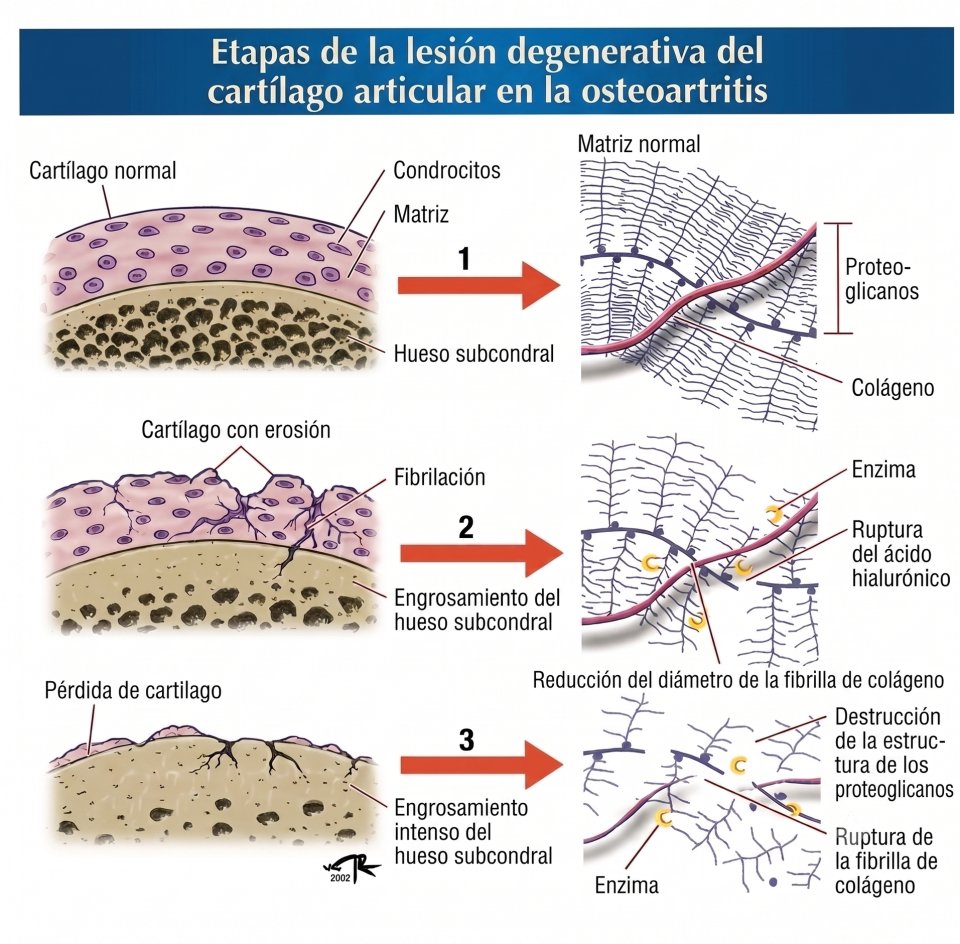
The loss of this homeostatic balance leads to osteoarthritis (OA) or degenerative joint disease (DJD), which is the most prevalent joint disorder in small animal practice. Osteoarthritis is a chronic, progressive and inflammatory pathological process characterized by the thinning and progressive erosion of articular cartilage, an increase and alteration in the composition of synovial fluid, fibrosis of the joint capsule and subsequent reactive proliferation of subchondral bone through the formation of marginal osteophytes. Studies in dogs and cats demonstrate that both canines and cats suffer this deterioration gradually if preventive joint health measures are not implemented.
We’ve included a link to a video that explains in a simple and visual way how cartilage wears down and how to prevent osteoarthritis: https://youtu.be/48QX8X3BYyk?si=xKcv7U46m0egvuNf
2. Etiology and biomechanical load: Joint problems and canine and feline osteoarthritis
Etiologically, joint problems in pets are subdivided into primary and secondary forms:
- Primary Osteoarthritis: Linked to the cumulative physiological wear and tear inherent in cellular aging in a senior dog or an elderly cat.
- Secondary Osteoarthritis: It results from pathological conditions or trauma that alter structural stability. Triggers include hip dysplasia, elbow dysplasia, patellar dislocation, intra-articular fractures and cranial cruciate ligament rupture.
From a biomechanical perspective, the load forces that induce the degenerative cascade are categorized into three main vectors:
- Normal load on an abnormal joint: Common in young dogs with developmental malformations, where structural incongruity concentrates forces on small areas of cartilage.
- Abnormal load on a normal joint: Typical in large dogs, large or giant breeds and overweight or obese pets, where well-formed joints suffer excessive mechanical stress.
- Acute trauma: Direct mechanical injury to the stabilizing components of the joint that triggers instability and destructive inflammation.
The pathophysiological cycle begins with water loss and the degradation of proteoglycans in the cartilaginous matrix, reducing tissue elasticity and generating direct bone-on-bone friction. As a compensatory mechanism, the periosteum produces osteophytes to restrict hypermobility, which increases stiffness and restricts range of motion.
Altered gait patterns cause overload on compensatory limbs, leading to lameness, stiffness upon rising, joint effusion and local hyperthermia. In felines, signs include reluctance to jump, decreased grooming and irritability. Chronic joint pain alters behavior, resulting in lethargy and reluctance to engage in physical contact.
3. Applicable solutions: Chondroprotective agents for dogs and cats
Developed by the NutriPetDog team, FlexiCarePet is a multi-level chondroprotective nutraceutical designed for the preservation and restoration of joint structures. It is a nutritional supplement that does not require a prescription or veterinary authorization for sale, facilitating its preventative administration at home. Its formulation combines natural ingredients and highly biocompatible physiological substrates with no side effects.
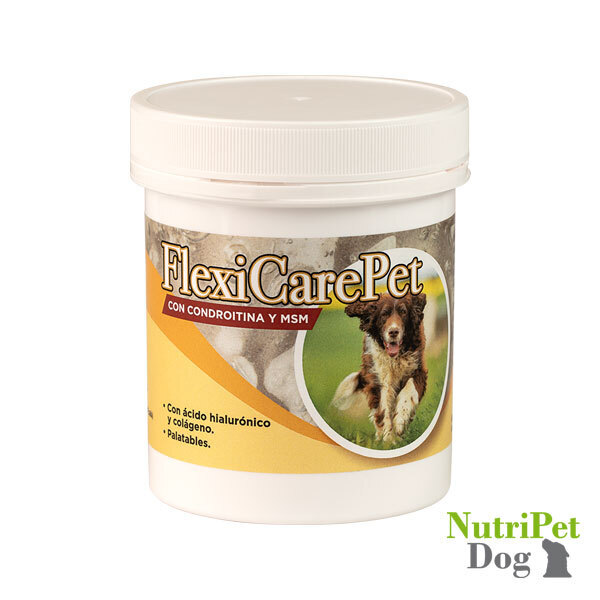
The active core of FlexiCarePet includes:
- Glucosamine and Chondroitin Sulfate: Glucosamine stimulates chondrocytes to synthesize glycosaminoglycans (GAGs), proteoglycans and hyaluronate. Chondroitin sulfate retains water in the extracellular matrix, providing elasticity and resistance to compression, as well as inhibiting lysosomal degradative enzymes in the synovial fluid.
- Hyaluronic Acid: High molecular weight polymer that restores the viscosity of joint fluid, optimizes joint lubrication and reduces synovial inflammation.
- Methylsulfonylmethane (MSM): Organic sulfur compound that acts as a natural source of sulfur for collagen disulfide bonds, increasing cell permeability and reducing muscle pain.
- Bioavailable Collagen and Yeast Complex: It provides essential peptides for connective tissue density, while yeasts (Saccharomyces cerevisiae) optimize the digestion and intestinal absorption of chondroprotective agents.
Combining chondroprotective agents with components like green-lipped mussel or omega-3 fatty acids in a nutritional plan enhances inflammation control. While anti-inflammatory drugs (NSAIDs) or corticosteroids offer rapid reduction of acute pain but carry a risk of gastric ulceration or long-term kidney toxicity, chondroprotective agents are complementary and safe for continuous use.
Table 1: Biochemical Mechanisms and Clinical Impact of FlexiCarePet Components
| Active Component | Biochemistry Category | Physiological Mechanism of Action | Clinical Joint Benefit |
| Glucosamine | Amino sugar precursor | Direct stimulation of chondrocytes for the synthesis of GAGs and proteoglycans. | It promotes cartilage repair and slows tissue catabolism. |
| Chondroitin Sulfate | Sulfated glycosaminoglycan | Water retention in the matrix and inhibition of lysosomal degradative enzymes. | It provides resistance to compression and prevents cartilage erosion. |
| Hyaluronic Acid | Glycosaminoglycan polymer | Restoration of synovial fluid viscosity and joint lubrication. | It decreases friction between bone surfaces and reduces synovitis. |
| Methylsulfonylmethane (MSM) | Sulfur-containing organic compound | Biological sulfur donor for disulfide bonds and cell permeability. | It accelerates the elimination of toxic metabolites and reduces muscle pain. |
| Bioavailable Collagen | Structural fibrillar protein | Supply of essential amino acids (proline, glycine) for extracellular matrix. | It preserves the density of connective tissue in the joint capsule. |
| Vitamin E and Vitamin C | Essential Antioxidants | Neutralization of free radicals (ROS) and cofactor in collagen synthesis. | They protect chondrocytes against joint oxidative stress. |
| Yeasts | Prebiotic and nutritional complex | Provides B vitamins, nucleotides and modulates the digestive microbiota. | Optimizes intestinal absorption and bioavailability of the supplement |
Instructions for supplementing FlexiCarePet
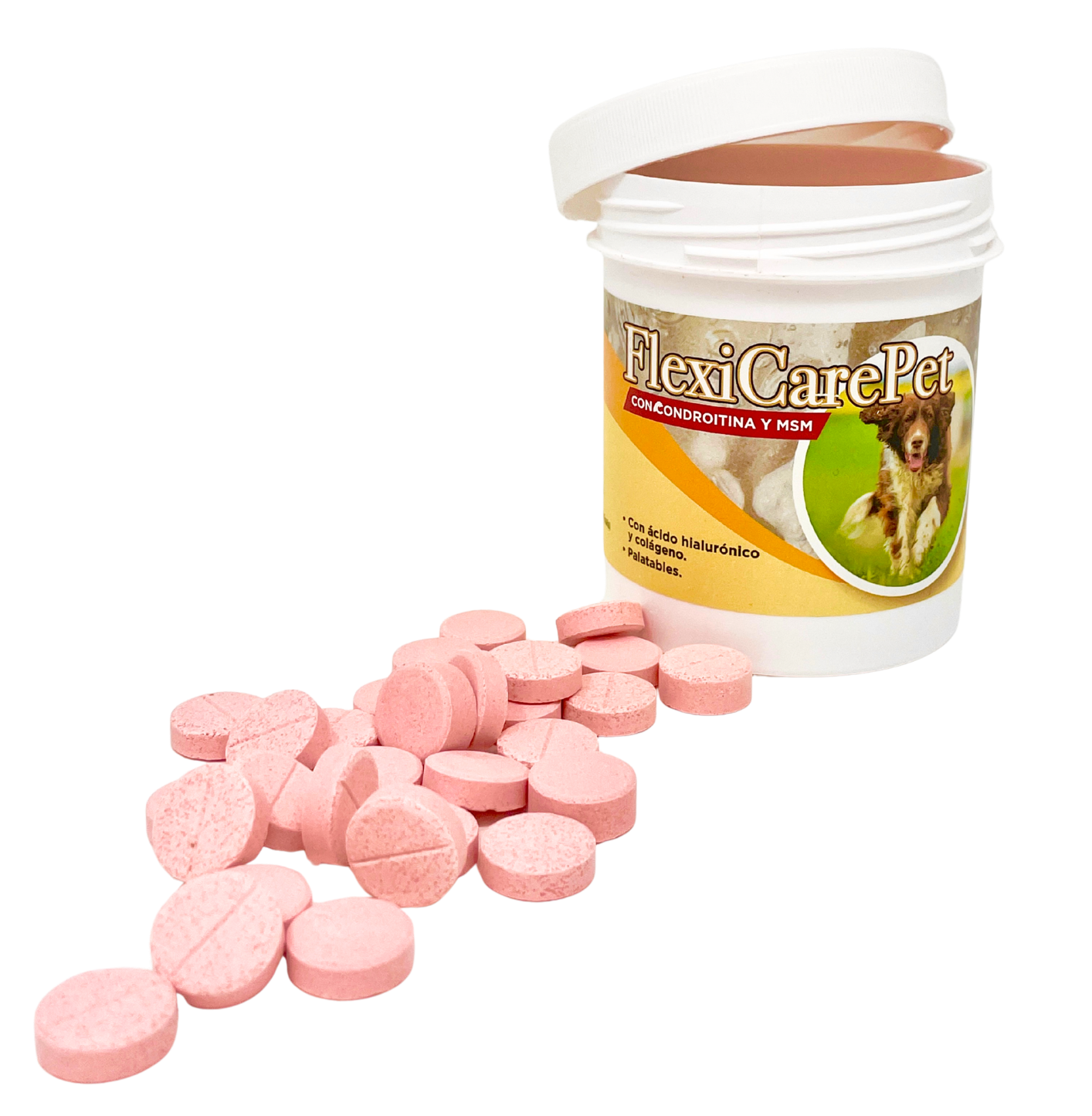
The tablets can be taken mixed with food, dissolved in a drink or directly into the mouth. Only one dose per day is required for at least one month.
The specific dosage guidelines are as follows:
- Small breed dogs and puppies: 1 tablet per day.
- Medium breed dogs: 2 tablets a day.
- Large breed dogs: 3 tablets a day.
- Cats: half a tablet a day.
4. Conclusion for the joint health of our pets
Osteoarthritis in small pets presents a dynamic clinical challenge that requires understanding its pathophysiological mechanisms. Deterioration of articular cartilage, alteration of synovial fluid and the inflammatory response trigger chronic pain and loss of mobility, compromising quality of life.
NutriPetDog FlexiCarePet stands out as the ideal chondroprotective choice within a multimodal approach. Classified as a nutritional supplement, it does not require a veterinary prescription, allowing pet owners to begin chondroprotective prevention immediately.
The combination of glucosamine, chondroitin sulfate, hyaluronic acid, methylsulfonylmethane, collagen, antioxidants and yeast works synergistically to support the joint tissues of your dog or cat. Integrating this supplement into a weight management and home conditioning plan can improve mobility and ensure healthy development in both senior and young pets.

5. Frequently asked questions
How does exogenous glucosamine supplementation affect patients with concomitant diabetes mellitus?
At therapeutic oral doses, glucosamine has moderate bioavailability that does not generate plasma concentrations sufficient to interfere with peripheral glucose transport or induce insulin resistance. In stabilized diabetic patients, its administration does not alter fasting blood glucose or serum fructosamine levels, requiring only routine monitoring during the first few weeks as a precautionary measure.
How does the architectural design of the home influence the reduction of joint pain in dogs and cats?
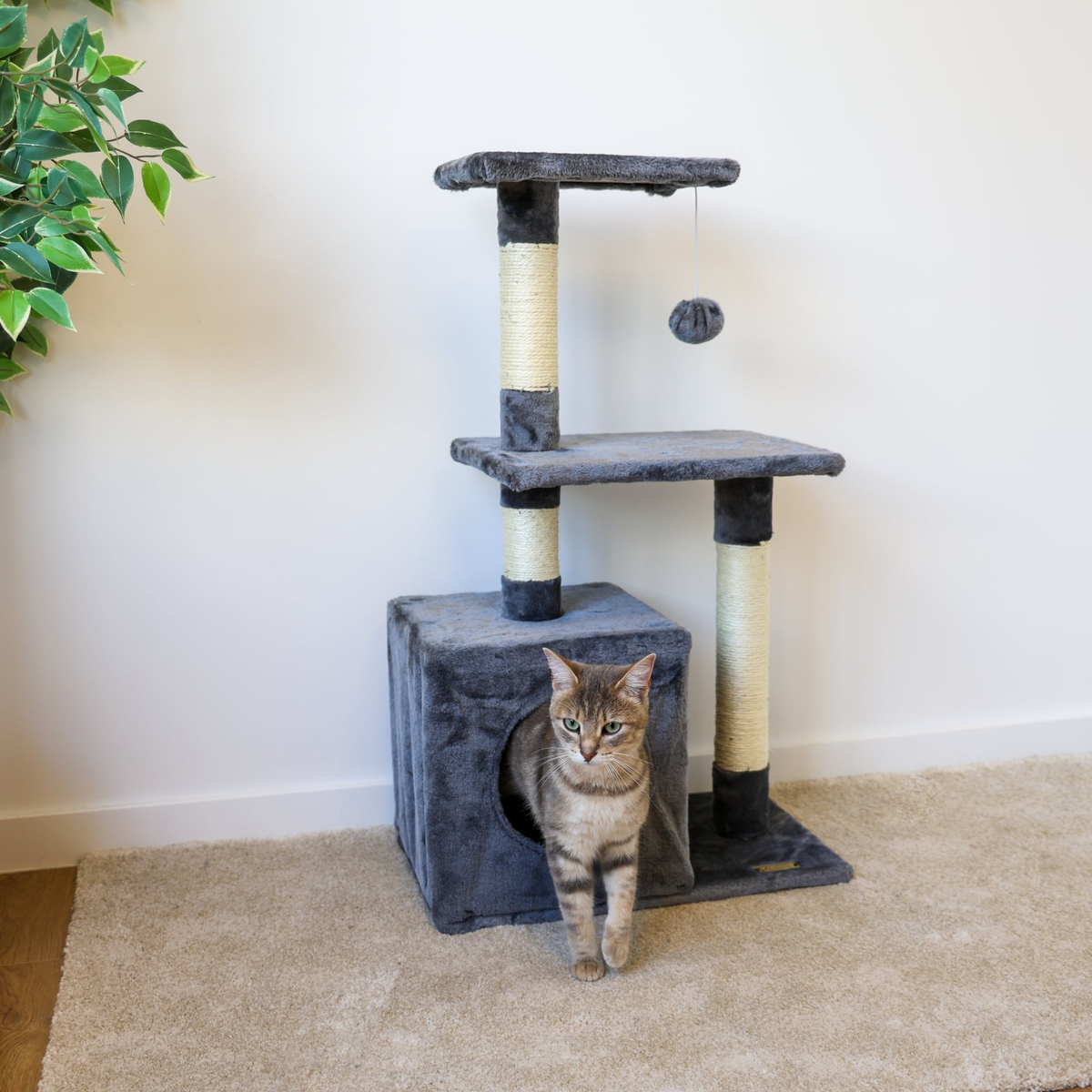
The use of non-slip mats eliminates micro-slips of the limbs on smooth floors, reducing shear forces and joint instability. In cats, conditioning requires installing tiered scratching posts and intermediate platforms to prevent high-impact jumps, as well as litter boxes with beveled edges to facilitate pain-free access. The placement of ramps and adequate lighting objectively alleviates stiffness and joint pain in both species.
What is the percentage of incidence and prevalence of osteoarthritis in the feline species?
Feline osteoarthritis has a very high prevalence and is underdiagnosed, affecting approximately 40% of the general feline population in clinical examinations. In cats older than 6 years, the incidence rises to 60%, while in senior cats over 12 years old, it reaches levels exceeding 90% based on radiographic findings. This high frequency necessitates early prophylactic protocols, as cats often effectively mask the signs of chronic pain.