
This summer’s heat wave is driving a sharp rise in veterinary emergencies, and understanding how heat stroke develops in dogs can make the difference between a safe summer and a tragedy for your pet.
As responsible guardians, we always want to see our dogs happy, healthy and active. In this article we’ll explain, in a simple way, how heat stroke occurs in dogs, how it differs from simple heat exhaustion, which symptoms to watch for, how to act in the first few minutes, and which preventive measures to take so your best friend can enjoy a safe summer.
What Is Heat Stroke in Dogs?
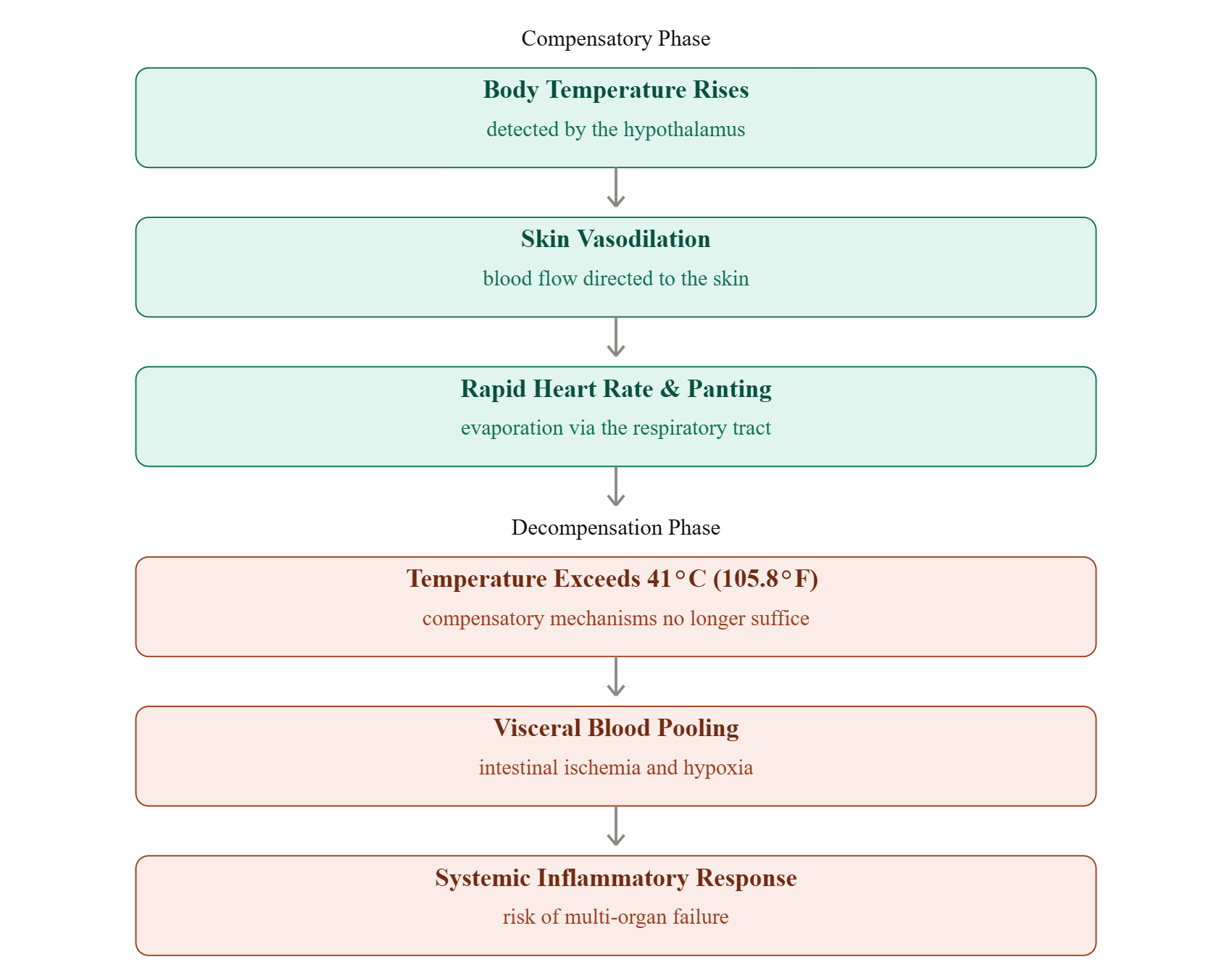
Heat stroke occurs when the hypothalamus, the brain’s temperature control centre, loses its ability to offset excess heat through panting and peripheral vasodilation. Above 35% relative humidity, panting starts to lose much of its effectiveness, and above 80% it practically stops working as a cooling mechanism, which dramatically speeds up the process.
As a result, when the body enters the decompensation phase, blood concentrates in the vital organs at the expense of the intestine, which can cause intestinal ischaemia and trigger a widespread inflammatory response. From that point on, the risk of kidney damage and multi-organ failure increases very significantly if action isn’t taken quickly.
Heat Exhaustion vs. Heat Stroke
However, it’s important not to confuse heat exhaustion, a reversible condition that improves quickly once the dog is cooled down and given water, with heat stroke, a genuine medical emergency defined by a body temperature above 41°C (105.8°F) accompanied by neurological symptoms such as disorientation or loss of coordination.
A study conducted in the United Kingdom also confirmed that heat stroke doesn’t only happen when dogs are left in cars: intense exercise on hot days is an equally common cause, with a particularly high risk in young, male dogs and brachycephalic breeds.
Risk Factors for Heat Stroke in Dogs
Overall, not every dog tolerates the hottest days of summer equally. Knowing the risk factors helps you catch the symptoms in time. Dogs facing the highest risk of heat stroke include:
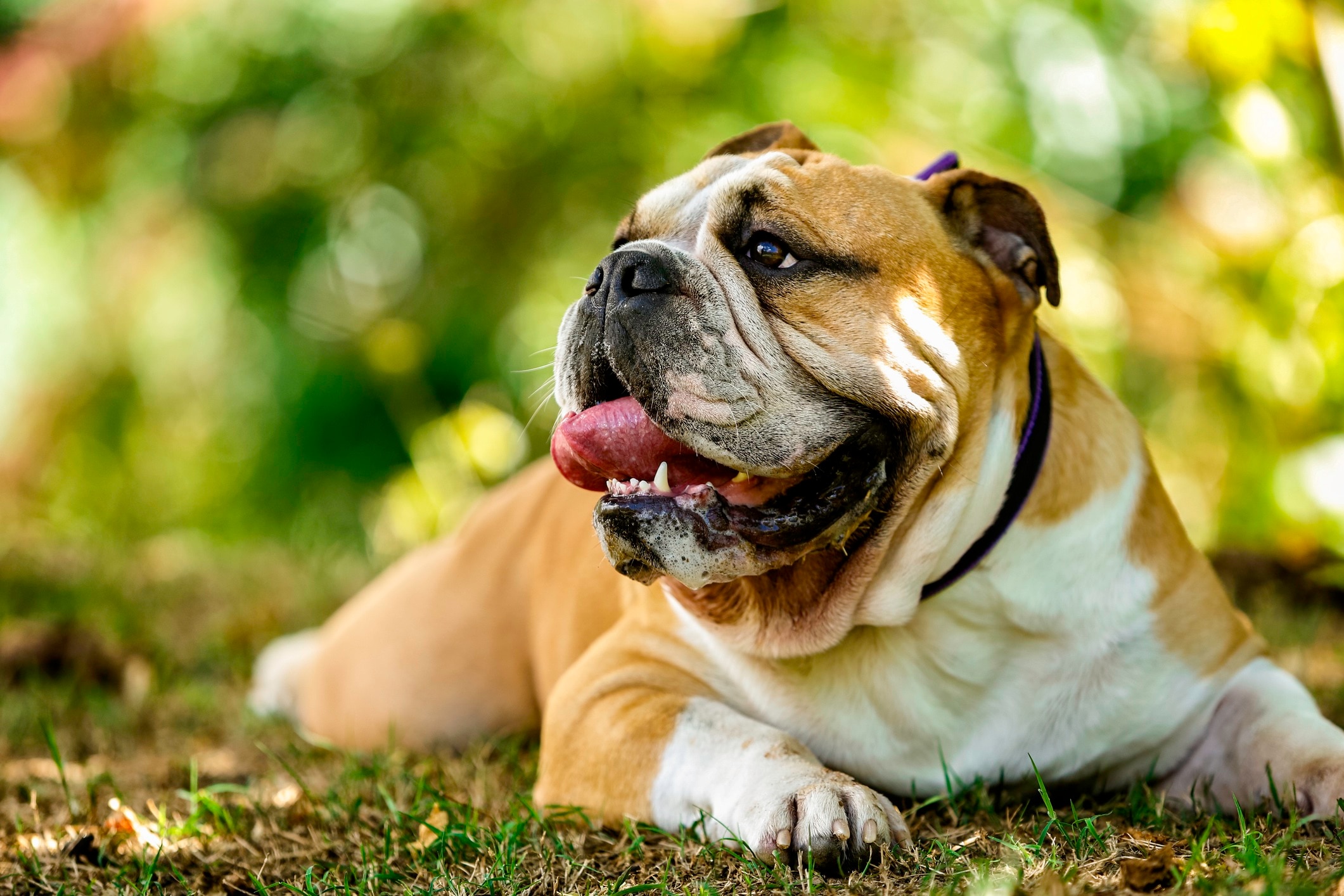
- Brachycephalic breeds (French Bulldog, English Bulldog, Pug, Boxer, among others)
- Overweight or obese dogs
- Puppies and senior dogs
- Dogs with pre-existing kidney or cardiovascular disease
- Being left in a car, even “just for a moment”
- Intense exercise during the hottest hours of the day
Warning Symptoms of Heat Stroke
Learning to recognize the warning signs in time is what separates acting early from acting too late.
- Intense, uncontrolled panting
- Bright red gums, or pale gums in advanced stages
- Excessive drooling
- Weakness or stumbling while walking
- Vomiting or diarrhoea
- Disorientation or a glazed look
- In severe cases: seizures or loss of consciousness
In short, if you notice several of these signs combined with heat exposure, act immediately.
First Aid for Heat Stroke in Dogs
Acting in the first few minutes is essential, but it has to be done correctly to avoid triggering thermal shock:
1. Move your dog away from the heat: take it to a cool, well-ventilated place to prevent a repeat episode while it recovers.
2. Lower its temperature gradually: never with ice-cold water. Wet its body (especially the neck, armpits and groin) with lukewarm or cool water, or apply damp towels to those areas.
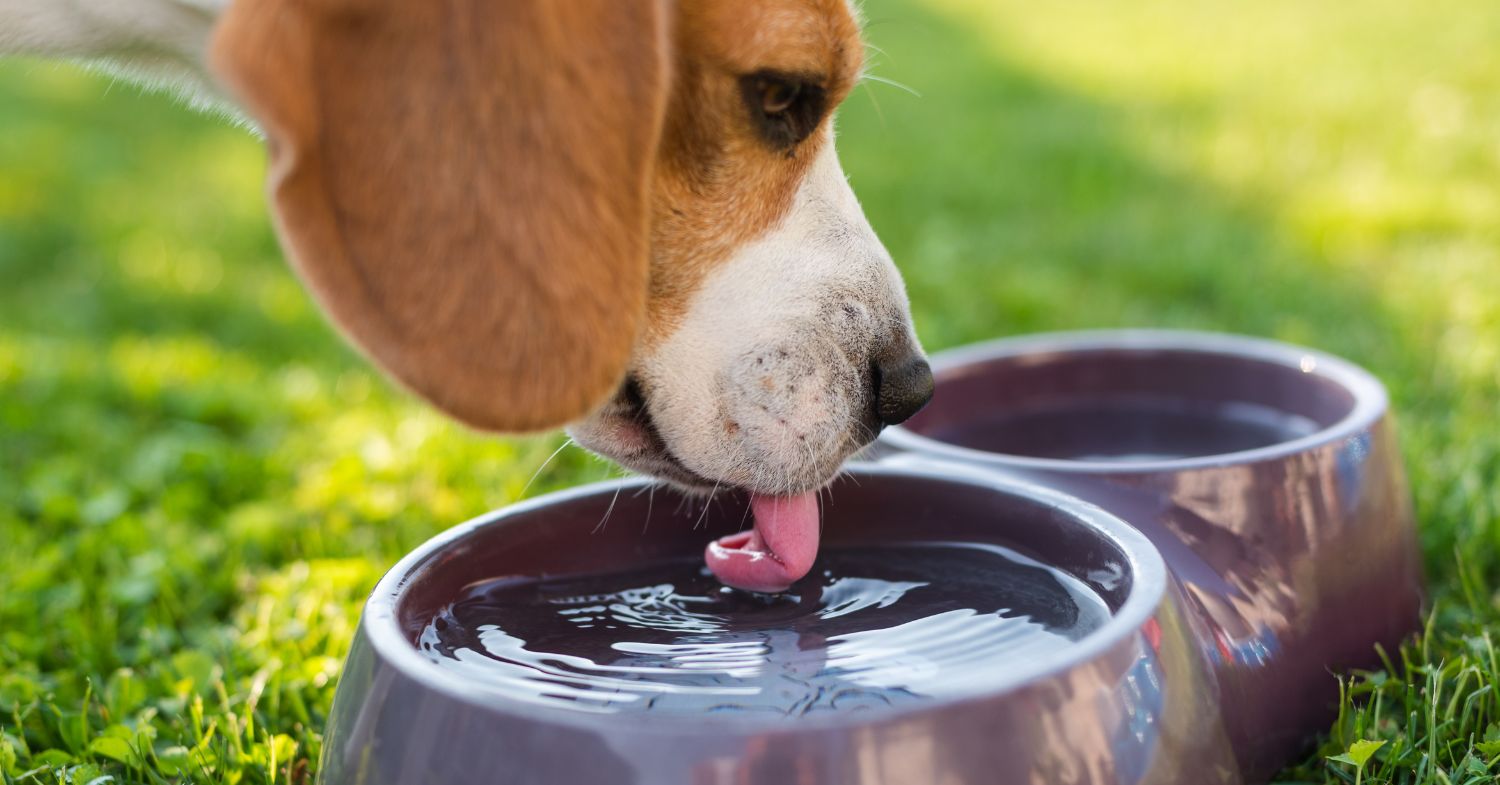
3. Offer fresh water: in small amounts, without forcing it to drink. If your dog has lost fluids through vomiting, diarrhoea or prolonged panting, an oral rehydration product formulated for dogs — like IsosPet from NutriPetDog — can help restore its electrolyte balance.
4. Don’t cover it with a wet towel without changing it regularly: water that warms up against the dog’s body acts as an insulator and becomes counterproductive.
5. Get to a vet clinic urgently: take your dog to the vet even if it seems to be recovering, since internal damage may not be visible.
How to Prevent Heat Stroke
Fortunately, the good news is that most cases of heat stroke can be prevented. These measures are simple and highly effective:
- Walk your dog during the coolest hours of the day, early morning or evening
- Check the pavement temperature with the back of your hand: if it’s too hot for you, it’s too hot for its paws
- Ensure constant access to fresh, clean water, both at home and during walks
- Never leave your dog alone inside a vehicle
- Provide shaded, well-ventilated areas
- Keep a close eye on at-risk dogs (brachycephalic, overweight or with pre-existing conditions)
Knowing the risk factors, spotting the symptoms early and getting to the vet without delay are the keys to reducing the risk of a serious heat stroke. Enjoy summer responsibly!
Frequently Asked Questions
Is air conditioning good for my dog?
Generally yes, as long as it’s used in moderation. A cool, stable environment helps your dog maintain its body temperature without relying solely on panting. What you should avoid is a sudden temperature contrast between a very cold indoor space and a very hot outdoor one, since that abrupt change can add extra physical stress. A moderate temperature, without extremes, and good air circulation throughout the room is ideal.
Should I take my dog’s temperature at home if I suspect heat stroke?
It can help confirm how serious the situation is, since a rectal temperature above 41°C (105.8°F) is a clear warning sign. However, taking its temperature should never delay a vet visit, especially if the dog is already showing neurological symptoms. When in doubt, it’s safer to head to the clinic while applying initial cooling measures than to waste time trying to confirm the diagnosis at home.

Does heat stroke affect dogs and cats equally?
Heat stroke can affect any dog or cat, although cats tend to show less visible symptoms because, by instinct, they tend to hide away when they’re unwell. In both cases the underlying mechanism is similar: a failure of thermoregulation with a risk of internal organ damage and vascular problems. The practical difference lies in detection: in cats, it’s worth paying closer attention to subtle behavioural changes, such as hiding or withdrawing, since they don’t always pant as obviously as dogs do.


