The year 2026 marks a turning point in how we coexist with our dogs, cats, and other small companions. While legislative reform on animal welfare began its journey years ago, it is now that the most beneficial measures are reaching their full maturity. In Spain, the work for 2026 has focused on creating an environment of safety, health, and leisure, considering animals as full members of our families, from a legal point of view.
The International Framework: The European Commission for 2026 and the Demands of European Citizens
Our regulations do not walk alone; the work of the European Commission is the engine that drives higher standards across the continent. European citizens, very clearly through the Eurobarometer and specifically in the 2023 Eurobarometer, have demanded that animal protection be a political priority.
Although organizations like Animal Equality have closely monitored the European Commission’s 2026 work program, there are debates about whether the promised legislative reform related to animal welfare will advance as quickly as desired. In some leaked drafts, there has been concern about a shift toward non-legislative actions, which has put the spotlight on the commissioner for health and welfare, Oliver Várhelyi, and the European Food Safety Authority (EFSA).
Nevertheless, the pressure from the European citizens’ initiative known as “end the cage age” has reminded institutions that European citizens consider fundamental the end of practices that prolong suffering and exploited animals. Although the “end the cage age” approach and cage farming is usually associated with industrial livestock, farms, and slaughterhouses, this movement has raised awareness among the general population, achieving that the first legislative proposals would see the light in the year following 2025 with a direct positive impact on the social perception of respect for life.
Animal Welfare in the Tourism Plan and the Plan to Strengthen Inclusive Gastronomy
One of the most innovative and advantageous initiatives for pets in 2026 is the promotion of a truly animal-friendly leisure and tourism model. Spain is working to make environmental sustainability a pillar of the services sector, effectively integrating animals into social life.
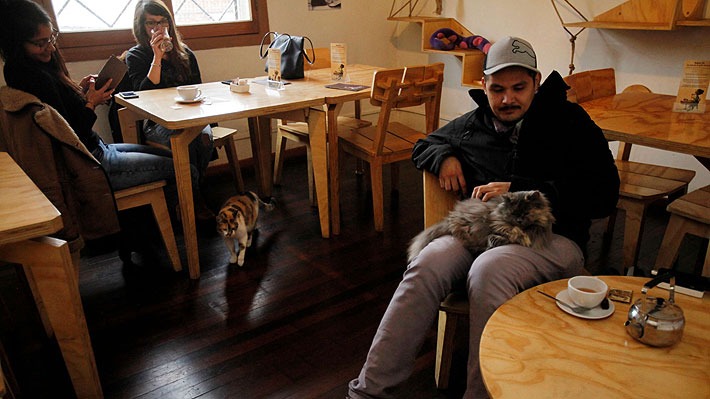
The plan of measures to strengthen Spanish gastronomy in 2026 includes the promotion of official certificates for establishments that not only admit pets, but guarantee appropriate spaces for them. By strengthening Spanish gastronomy under these standards, the aim is that the experience of going out to eat or travel does not pose a problem or a constraint. The idea is for Spanish gastronomy in the world to be recognized also for its hospitality toward animals, achieving that animal welfare and environmental sustainability become strategic pillars of our external image.
| Pet-Friendly 2026 Initiative | Direct Benefit for the Owner | Work Plan Objective |
| Pet-Friendly Hospitality Certification | Guaranteed and safe access to establishments | Integrate the animal into social routine |
| Pet-Friendly AVE Train Seats | Long-distance travel for dogs up to 40 kg | Facilitate national mobility |
| Official Canine Beaches | Regulated leisure spaces year-round | Promote inclusive tourism |
| Access to Museums and Cultural Centers | Shared culture with the animal | Modernize public space use |
Innovation in the 2026 Work Plan: Economic Incentives and Preventive Health
So that welfare is not a privilege of a few, the national work plan for 2026 includes economic relief measures that directly benefit the owner and ensure the health of the animal.
In Spain, Andalusia leads a trend that many other regions are watching with interest to include in their 2026 budgets. A 30% deduction has been approved in tax returns for veterinary expenses (vaccines, check-ups, medical treatments) with a limit of up to 100 euros annually for families that acquire or adopt a pet.
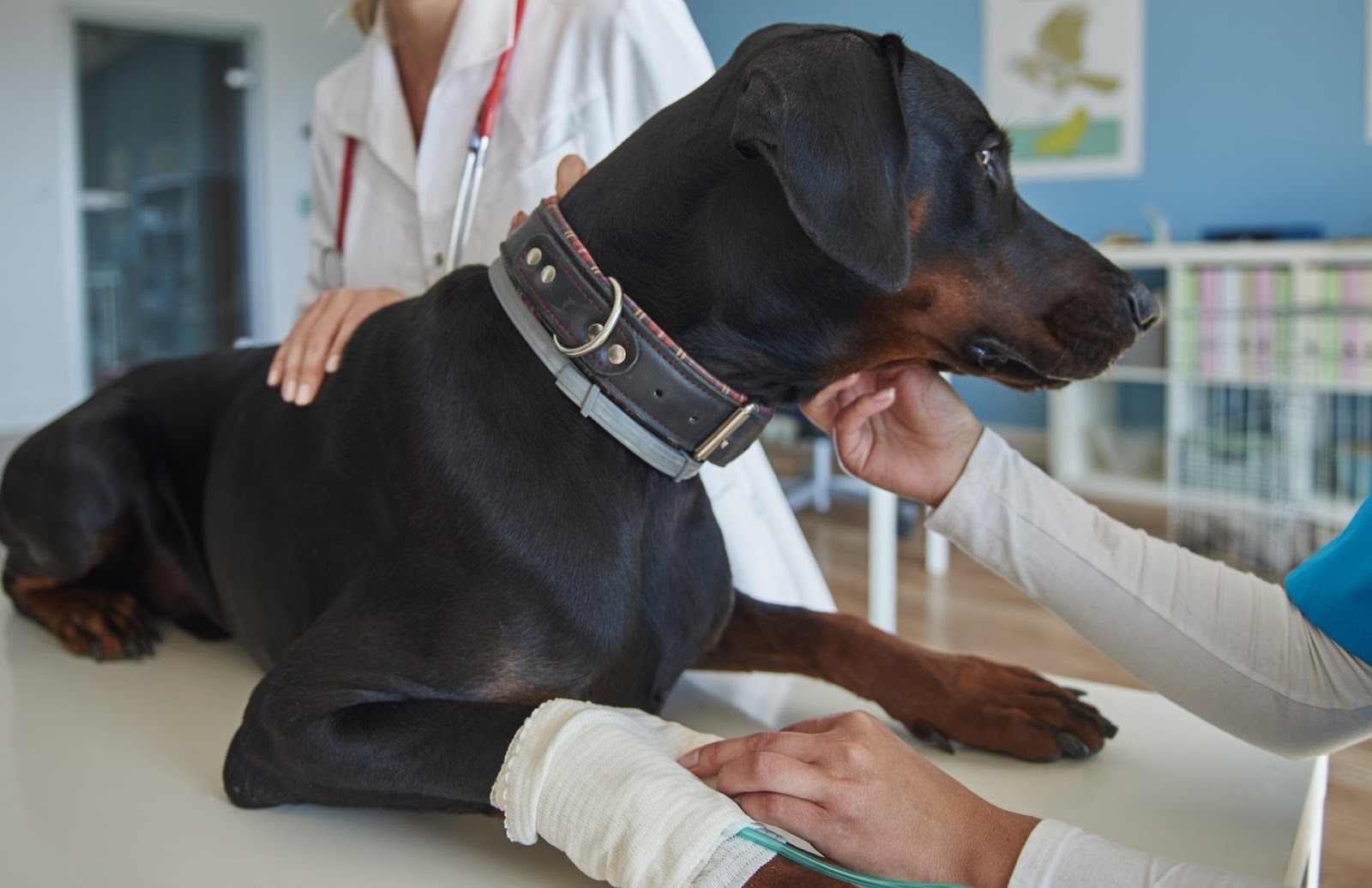
This type of plan of measures to strengthen the economy of pet owners seeks to incentivize preventive medicine, ensuring that animals continue to receive necessary care throughout their lives. Additionally, the Ministry of Agriculture continues to coordinate the Central Registry System (SICERPA), which in 2026 will allow the animal’s file to automatically include compulsory civil liability insurance, simplifying procedures in case of incidents.
Pet-Friendly Cities: Toledo and New Models
Spanish urban planning is changing so that environmental sustainability becomes an ally of daily walks. Cities no longer simply “permit” animals, but design specific spaces so that animals remain integrated in social life.
Toledo: Ethical Management and Space Recovery
The Toledo City Council continues to be an example with its budget of over 117 million euros for 2026. Among its projects stands out the protocol for managing feline colonies established in 2024, which uses the CER (Capture, Sterilization and Return to their place of origin) method to ensure the welfare of community cats.
- “Renace Tajo” Project: With a multimillion-euro investment, the recovery of the riverbank not only seeks environmental sustainability, but to create safe natural routes where dogs and their owners enjoy regenerated green spaces.

Valencia: Access to Public Buildings
Valencia has taken a giant step with its new ordinance that allows pets to enter municipal buildings and public offices. This measure facilitates daily life, allowing citizens to carry out administrative procedures accompanied by their pets (always leashed or in carriers), promoting a culture of real and more pet-friendly coexistence.
Gijón and Vitoria-Gasteiz: Pioneers in the North
- Gijón (“Yes Mi Can”): It consolidates itself as one of the most dog-friendly cities, with over 40 canine areas and beaches like Rinconín open year-round. Its public transportation system (EMTUSA) already allows access for small pets, and work is underway to expand these advantages for 2026.

- Vitoria-Gasteiz: Its new ordinance for 2026 not only promotes access to public buildings, but introduces protection measures against poisoning in parks and regulates urine cleanup using water bottles, seeking balance between comprehensive welfare and urban cleanliness.
The Pet Ownership Course and Professionalization of Care
One of the major advantages being consolidated this year is access to free training. The responsible pet ownership course for dog owners is already a technical operational reality. It can be found on the official website of the Ministry of Social Rights, Consumer Affairs and Agenda 2030, at the following link: https://www.dsca.gob.es/es/derechos-sociales/derechos-animales/eres-responsable
This course, which can be taken online through the official platform, should not be seen as a burden, but as an empowerment tool for the owner. It includes six thematic blocks covering everything from nutrition and health to socialization and public transport handling. European citizens increasingly believe that an informed population is the best guarantee against animal abandonment and suffering in the domestic environment.
| Pet Ownership Course Blocks (2026) | Content of Value | Benefit for Coexistence |
| Conscious Choice | Adoption vs. Purchase | Reduce impulse purchases |
| Health and Care | Nutrition and prevention | Lower clinical costs long-term |
| Socialization | Canine language and play | Prevent accidents and noise |
| Legal Regulations | Insurance and obligations | Legal security for the owner |
The Role of the Veterinarian and Preventive Health for the Pet
In this new framework, the veterinarian becomes the main advisor to the family. With the enforcement of mandatory sociability tests for certain dogs over 10 kg (which replace dangerous breed lists), these professionals evaluate individual character, rewarding good handling and education over breed stigmatization.
Furthermore, animal protection in 2026 translates into vaccination and identification programs subsidized by municipalities and local entities, ensuring that no animal is left out of the protection system due to lack of owner resources.
Conclusion: A Lifetime Commitment
The outlook for 2026 is, without a doubt, encouraging. We have moved from a legislative reform on animal welfare that generated doubts to a practical system where European citizens see their commitment to pets rewarded. Despite the uncertainties that the legislative proposal in Brussels sometimes raises, local initiatives in Toledo, Valencia, or Gijón show that Spain is at the forefront of animal welfare.
Respect for life, environmental sustainability, and social integration of millions of animals that coexist with us are now the axes that define our society. Taking care of them is not just a legal obligation, it is an investment in more human and empathetic coexistence for all.
Frequently Asked Questions
Must all people who already live with an animal in 2026 complete the mandatory training course?
Not necessarily. The 2026 work plan establishes that the responsible pet ownership course is mandatory mainly for those who choose to become owners of a dog from the launch of the official platform; citizens who already live with an animal are exempt from this obligation, unless they decide to register a new animal in 2026 in their name.
How will the 2026 work plan affect those who have animals at home such as hamsters, rabbits, or budgies?
This is one of the topics that generates the most doubts, since many species we consider domestic fall into the category of “wild mammals” or exotic birds. The 2026 work plan has a key date: September 2026, when the first phase of the Positive List dedicated to wild mammals is expected to enter into force.

If an animal (such as a small rodent or reptile) is not included in this official list of “permitted species,” its ownership will become generally prohibited. However, there is an advantageous measure for owners: if you already live with one of these animals before the regulation becomes effective, you will be able to keep it until its death as long as you declare it to the regional authorities. On the other hand, the plan of measures to strengthen protection prohibits these animals from being sold in ordinary pet stores, centralizing their trade only in registered breeders to prevent animal suffering resulting from impulse purchases.
Is there any official initiative to protect the bond between workers and their pets in situations of grief or illness?
Yes, for the year 2026 there are labor reform proposals that seek to include the right to leave for the death or serious illness of a pet. These proposals argue that, given that the legal status of animals has changed to sentient beings and family members, workers should be able to fulfill their healthcare responsibilities or grieve without fear of workplace retaliation.