
Canine Prebiotics: Science and Support for Your Furry Friend’s Overall Wellbeing
Your Pet’s Gut Health
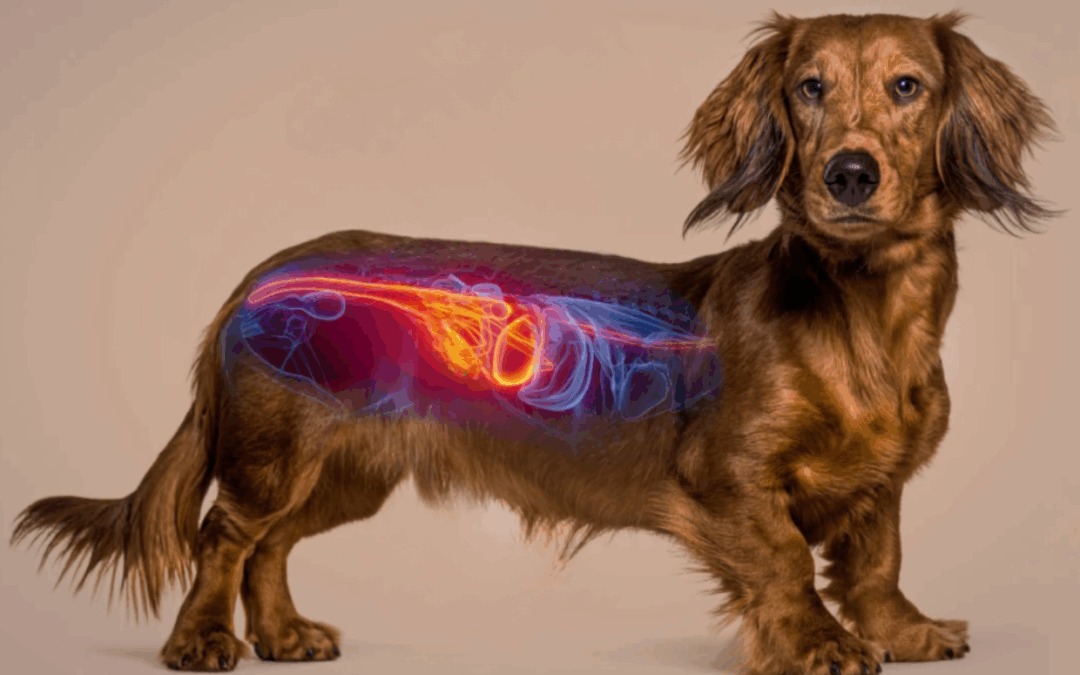
The health of your furry companion is built on a fundamental pillar: recognizing the gut as a complex ecosystem and a central player in overall wellness—often called your dog’s “second brain.” This amazing organ hosts the intestinal flora: a vast collection of key microorganisms that support both digestion and the immune system. In fact, about 70% of your four-legged friend’s natural defenses live here!
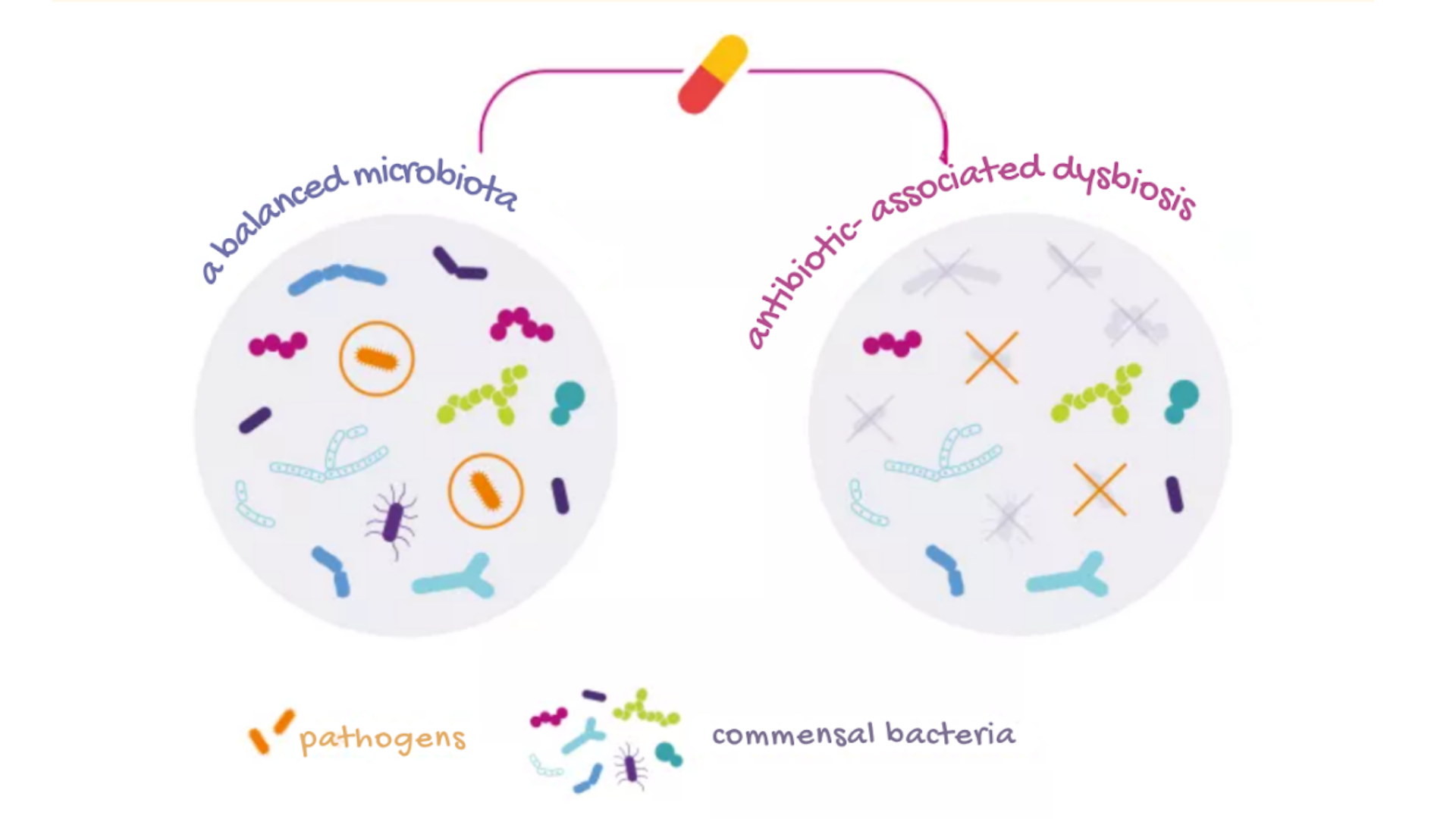
Keeping this microbiota balanced can be tricky. Stress, diet changes, or medications can knock things out of whack, causing dysbiosis, which shows up as digestive issues like gassiness, bloating, or diarrhea. To fight back, modern nutrition relies on the advanced “gut support trio”: prebiotics, probiotics, and postbiotics.
What are prebiotics for dogs and cats?
Prebiotics are non-digestible carbohydrates that stimulate the selective growth or activity of beneficial bacteria populations already present in the colon. What makes a prebiotic unique is its resistance to enzymatic digestion in the upper GI tract, so it arrives all the way to the large intestine, where fermentation happens. In simple terms, prebiotics aren’t bacteria themselves—they’re the “food” that helps the good bacteria already there to thrive.
The difference between prebiotics and probiotics
It’s important to know the distinction:
- Probiotics: These are live microorganisms that, when given in the right amounts, bring intestinal health benefits to your pup. They work by temporarily repopulating or modulating the gut. Examples commonly used in dogs include Enterococcus faecium, Lactobacillus acidophilus, and Bifidobacterium animalis.
- Prebiotics: These are mostly plant fibers (carbohydrates) that, apart from offering nutrition, serve as fermentable substrates for resident bacteria.
A key point: not all fiber is prebiotic. The gold standard for a good prebiotic is its selectivity. Ideally, a prebiotic is used preferentially by beneficial species like Bifidobacteria and Lactobacilli, leading to positive gut changes. Regular fiber can be fermented by a much wider range of bugs, not all of them good for your pooch.
Most common prebiotics for dogs and cats
In canine nutrition, the main ones are:
- Fructooligosaccharides (FOS): Fermentable, highly selective fibers that support the growth of good bacteria like Lactobacillus and Bifidobacterium. Found in foods like chicory root, asparagus, and bananas.
- Inulin: A longer-chain fructan found abundantly in chicory root.
- Mannan-Oligosaccharides (MOS): Polysaccharides derived from the yeast Saccharomyces cerevisiae. Besides nourishing friendly bacteria, their unique structures can help bind certain pathogens, making it easier for your pup’s gut to get rid of them and keeping the harmful bacteria from settling in.
How Prebiotics Work: The Molecular Mechanism
Fermentation and SCFAs: The Vital Fuel
The real value of prebiotics lies in their ability to resist digestion up top, arriving intact in the colon, where they can make a major difference for your furball. Once there, prebiotics become the perfect food source for good bacteria—a process called anaerobic fermentation. This results in the creation of some superstar molecules: Short Chain Fatty Acids (SCFAs). These don’t just lower colon pH and keep pathogens at bay; they also boost how well nutrients and minerals are absorbed!
Butyrate & Molecular Signaling
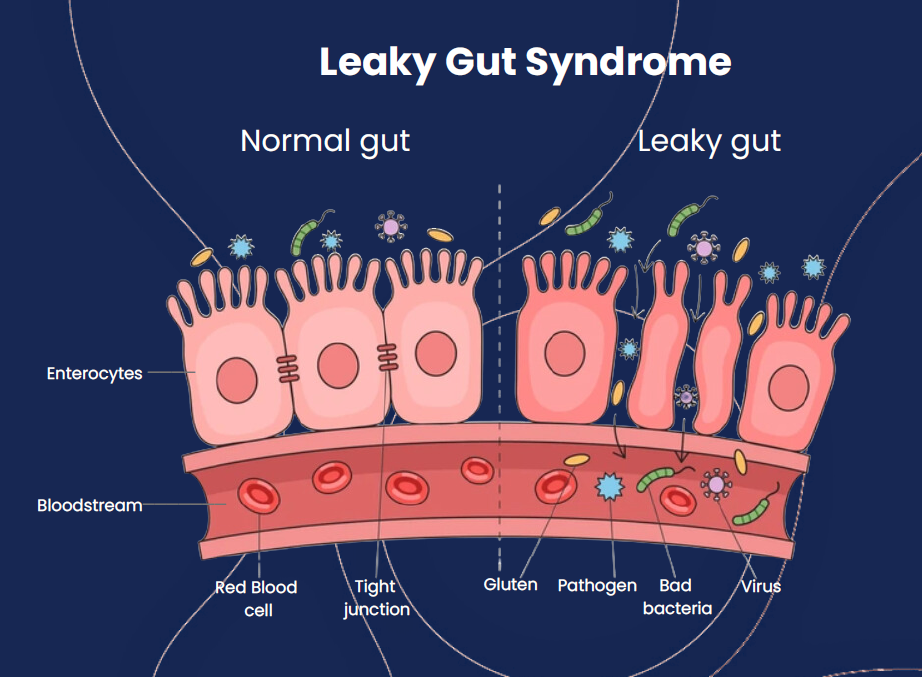
Butyrate is the SCFA headliner. It’s the favorite energy source for colonocytes (cells lining the colon)—think of it as a “superfood” that keeps your pup’s gut wall healthy and strong.
Well-nourished colonocytes create a strong barrier, tightening up those “tight junctions.” This means fewer toxins, antigens, and bad bacteria sneaking into the bloodstream, lowering the risk of inflammation.
Beyond just fuel, SCFAs like butyrate act as molecular messengers, activating G-protein coupled receptors like GPR43. When butyrate triggers GPR43, it helps regulate appetite, supports healthy weight, and eases inflammation—proving that gut health can have powerful effects, right down to the cellular and metabolic levels!
Prebiotic Benefits: Clinical and Physiological
Immunity & the Gut-Brain Axis
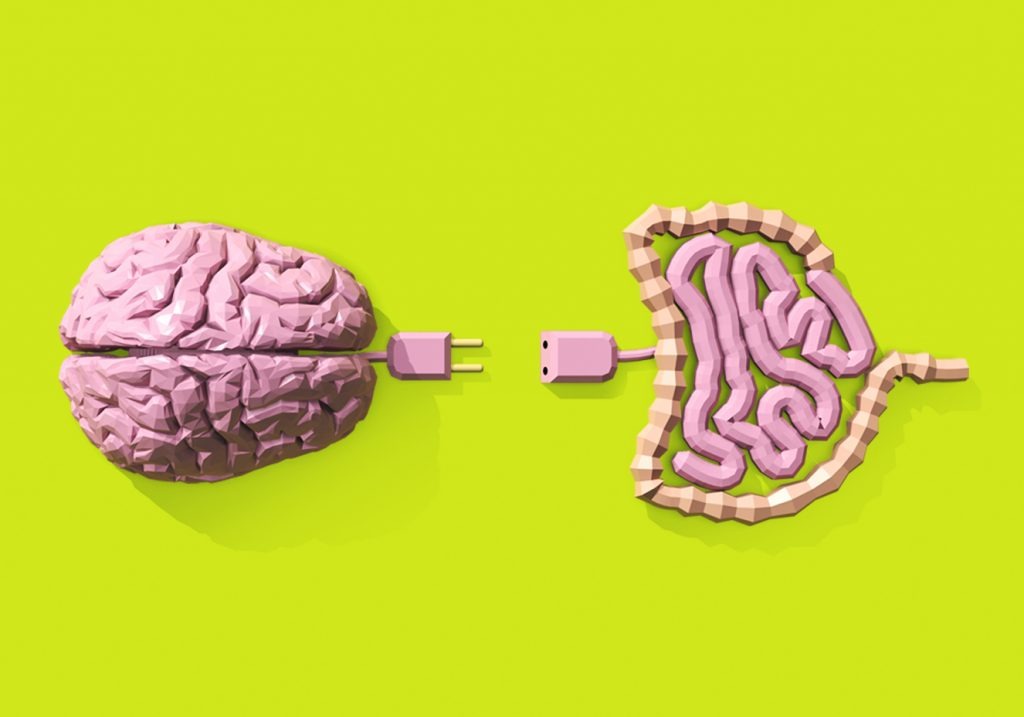
By supporting the intestinal barrier, blocking pro-inflammatory mediators from reaching the blood, and nourishing beneficial bacteria, prebiotics have a strong influence on the immune system—helping with both inflammation and allergies. Stabilizing the microbiome also impacts the Gut-Brain Axis (GBA)—that two-way line of communication between the intestines and the central nervous system. SCFAs act as “chemical messengers,” shaping the production of neurotransmitters (like serotonin and dopamine), which can make a positive difference in your furball’s mood, cognition, and behavior.
Specific Clinical Applications of Prebiotic Supplements
Adding prebiotics is relevant in several cases and for certain canine groups:
- Digestive Support: Effective in improving overall digestion and regulating transit. Prebiotics are great for mild tummy troubles, like loose stools, gas, or bloating.
- After Antibiotics: Antibiotics can unbalance your pup’s gut flora. Here, prebiotics and probiotics are a powerful duo for restoring and nurturing friendly bacteria wiped out by medication.
- Vulnerable Life Stages: Puppies and senior dogs (and cats) are more prone to microbiota imbalances. For puppies, prebiotics help a healthy flora get established. Senior pups rely on prebiotics to maintain balance when their digestion starts to slow down.
- Holistic Support (Joints & Weight): Because prebiotics encourage bacteria that produce anti-inflammatory compounds, they indirectly support joint health. And by improving metabolic processes in the gut, they help manage weight—working hand-in-hand with probiotics and postbiotics for complete metabolic control.
Practical Considerations & Veterinary Guidance
Despite all these benefits, adding prebiotics should always be thoughtful and responsible—your vet’s advice is key!
Introduce prebiotic fiber slowly. Giving too much too soon can overwhelm your pup’s digestion, causing gas, bloating, or diarrhea.
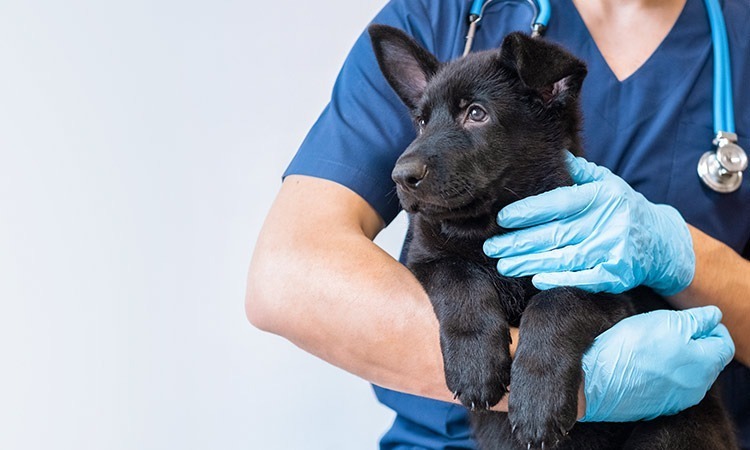
Always check with your veterinarian before adding prebiotic supplements to your dog’s diet. Prebiotics aren’t right for every furry friend, especially those with underlying GI issues. Catching early signs of discomfort is vital for adjusting (or stopping) supplements, safeguarding your pup’s digestive health.
The future of nutrition lies in microbiome science, and prebiotics can be a cornerstone for ensuring your dog’s overall wellness and happiness!
Frequently Asked Questions
1. What are some natural prebiotic foods for dogs and cats?
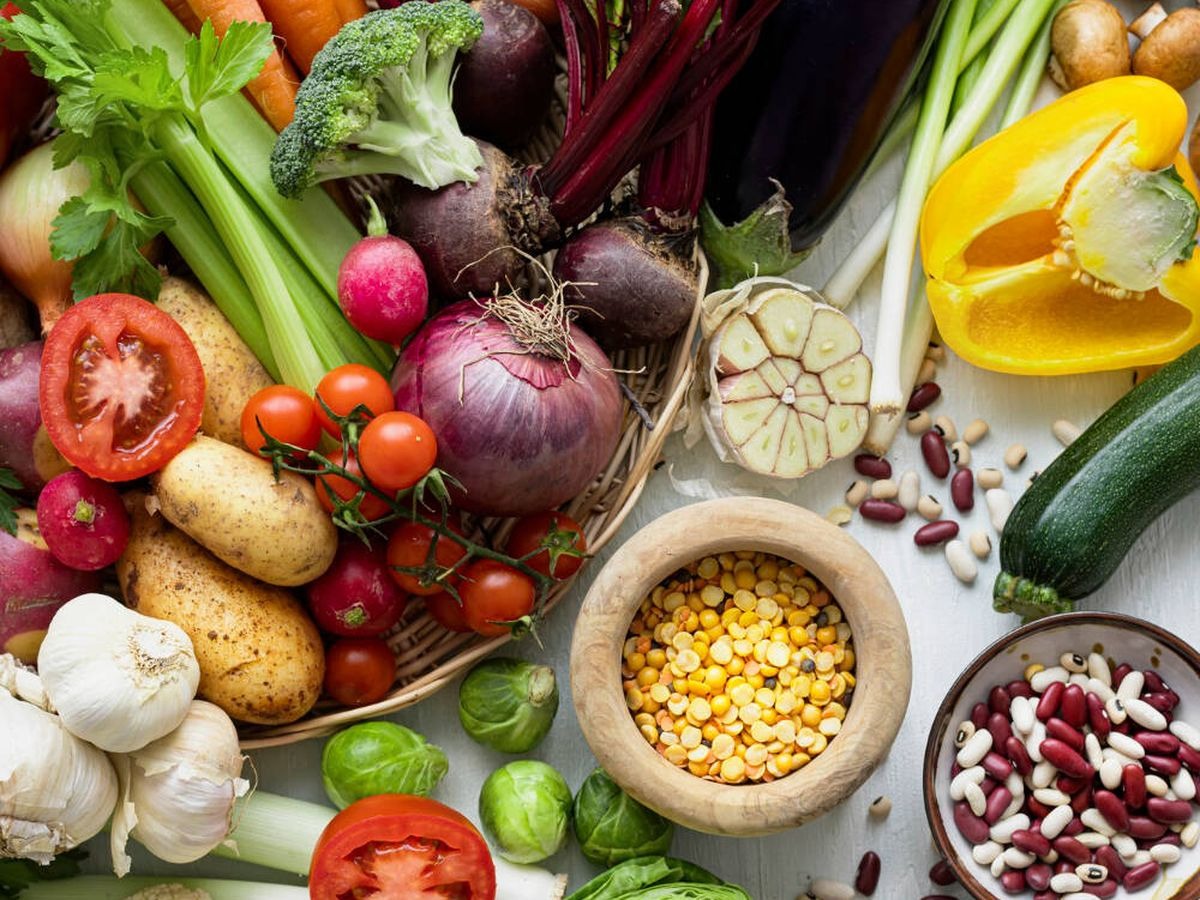
Natural sources with the benefits of prebiotics (like FOS and inulin) include chicory root—one of the most potent inulin sources. Others are Jerusalem artichoke, pumpkin, lentils, beans, and peas. Extra “functional foods” include oats (for beta-glucans), beet pulp (for fiber that helps firm up the stools), sweet potatoes, flaxseed, raw oats, asparagus, and bananas—all great natural prebiotics for your four-legged friends.
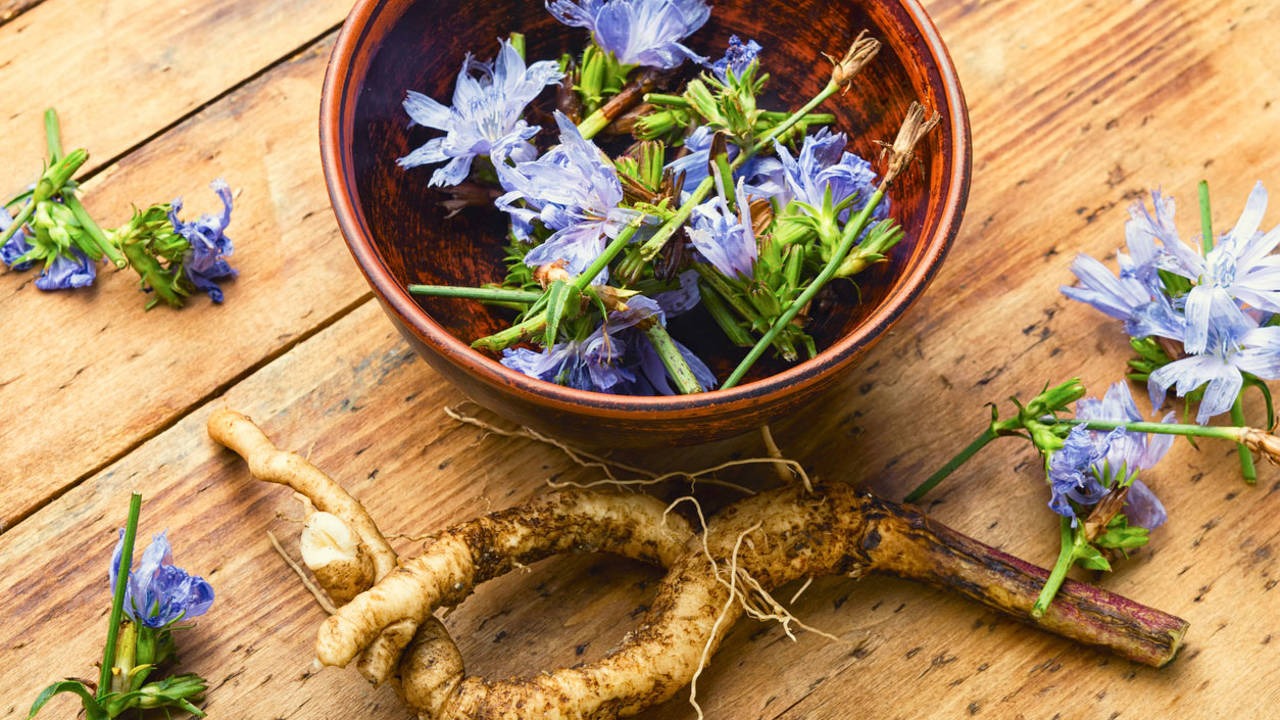
The most common commercial sources are beet pulp, inulin, and chicory root (you’ll often see these on pet food labels).
2. Should prebiotic supplementation for dogs be based on factors like age, weight, or health status?
Yes! The effectiveness of a prebiotic depends a lot on your pet’s own microbiome, which in turn changes based on factors like age and health status. The composition of your dog’s existing gut flora will influence what prebiotic substrate will actually work best. That’s why your vet’s advice—which takes into account your buddy’s health, diet, and more—is extra important.

3. If a dog already has a healthy gut microbiota, can prebiotics be used alone or do they need to be paired with probiotics?
Prebiotics can definitely be used on their own. Their main job is to selectively feed the good bacteria already living in your furball’s colon, helping maintain great health. Probiotics are like “seeds,” and prebiotics are the “fertilizer”—so if your pup’s microbiota is healthy, prebiotics may be enough. But after antibiotics (or if gut health is seriously off), pairing with a probiotic gives a much-needed boost for maximum benefit!
4. Are commercial supplements that include the advanced gut support trio (prebiotics, probiotics, and postbiotics) recommended?
Yes! If your dog needs the extra support, this “synbiotic” approach is best: combining prebiotics, probiotics, and postbiotics (like butyrate) in one supplement maximizes digestive and immune benefits and boosts vitality. It’s the most advanced way to provide complete gut health support in a single dose for your furry friend.


