
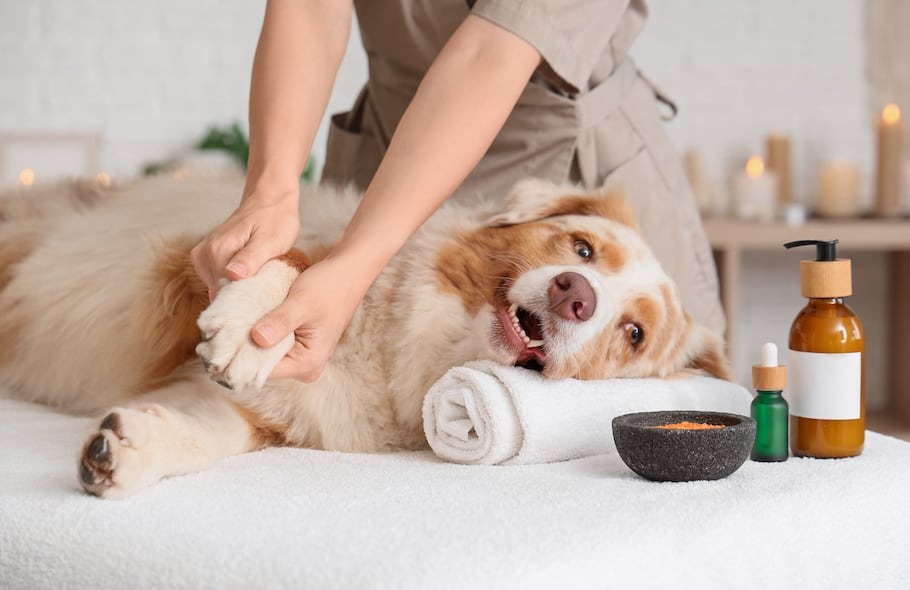
Introduction to Pet Skin Care
Our pets love to play and run outdoors. In their daily adventures, it’s normal for them to suffer minor injuries from branches, chafing from their harnesses, or dry paw pads. The skin of dogs and cats acts as a vital defensive barrier, protecting them, so any damage requires prompt attention to maintain your pet’s health. When this barrier is compromised, the body initiates natural processes to regenerate the affected skin. Animal care offers plant-based solutions that safely support recovery, allowing the skin to heal without complications. Knowing how to moisturize and protect the skin is essential for this. Among these solutions, NutriPetDog’s CicaPet cream stands out as an ideal hygienic care option that combines aloe vera and calendula, designed for moisturizing.

The Recovery Process: How does an open wound heal?
This process is divided into four continuous, overlapping stages that restore the skin’s health. Throughout this cycle, the animal’s own body physiologically carries out the natural wound-healing process in dogs and other pets. The first stage is hemostasis, which involves the constriction of blood vessels to contain fluid loss. Next, inflammation is activated, characterized by the arrival of immune cells that clear the area of impurities. During this stage, redness and heat are commonly observed, causing an uncomfortable itching that tempts the animal to lick persistently. Subsequently, proliferation begins, in which cells called fibroblasts produce collagen to create healthy-looking granulation tissue. At the same time, cutaneous microcirculation is stimulated, responsible for supplying the necessary oxygen and nutrients. Finally, remodeling takes place, a period in which immature collagen fibers are replaced by stronger ones, restoring the pet’s skin to its original flexibility. Although wound healing is an autonomous mechanism of the skin, we can provide external hygienic support to accelerate the natural regeneration process in a respectful manner.
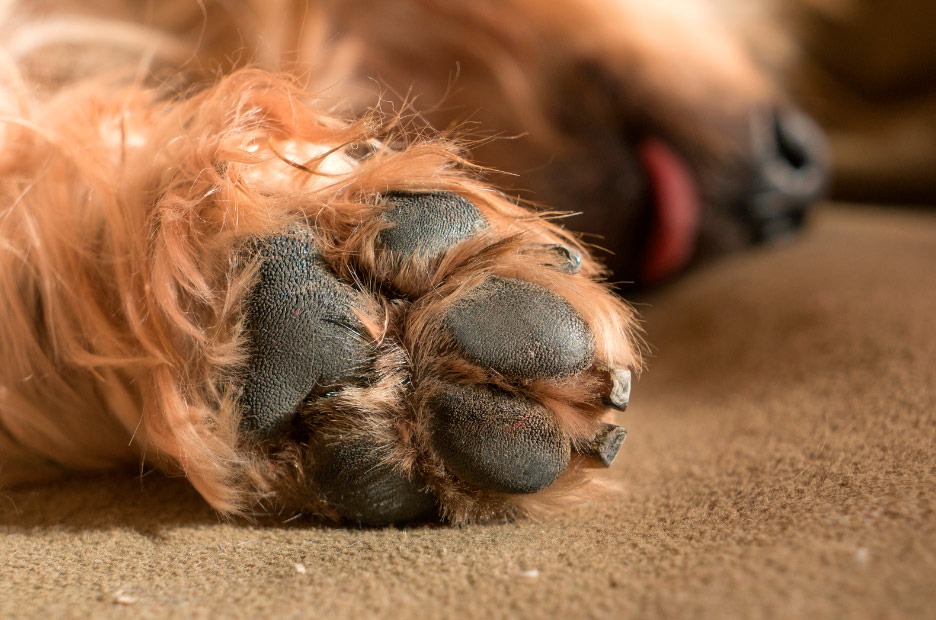
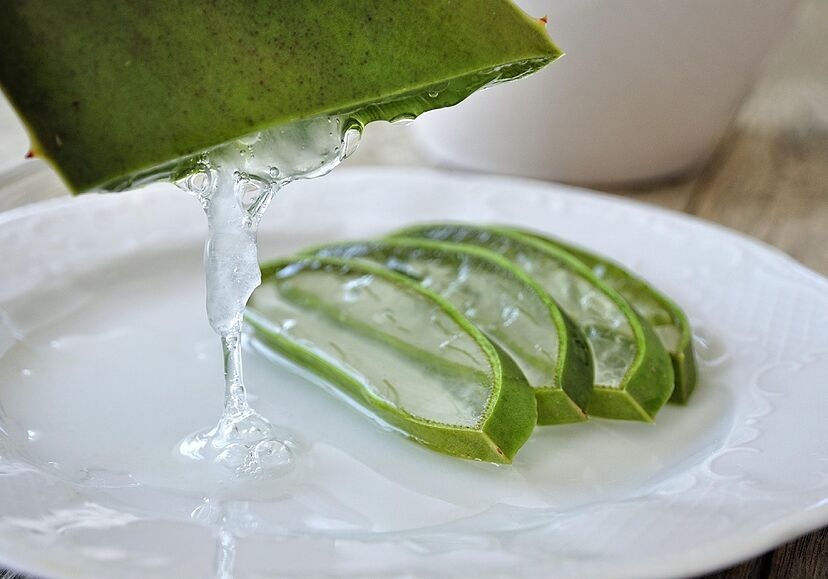
Aloe Vera in Your Pet’s Skin Care
Dermoprotective aloe vera for dogs is a highly valued resource in animal hygiene and cosmetics, as it is known for its moisturizing and regenerative properties. Its gel contains water and essential nutrients such as acemannan and glucomannan, which interact with fibroblasts to naturally promote collagen production. Applying this purified gel soothes stinging and superficial redness, helping to relieve itching. In studies on animal skin care, the topical use of aloe vera demonstrated an excellent capacity for healing chafing compared to conventional oils. Pets that received this treatment showed a more orderly recovery, with a denser collagen structure and less residual tightness, confirming its role as an excellent support for natural skin regeneration. This plant acts as a powerful tissue regenerator that facilitates deep hydration, making it ideal for softening dry skin.
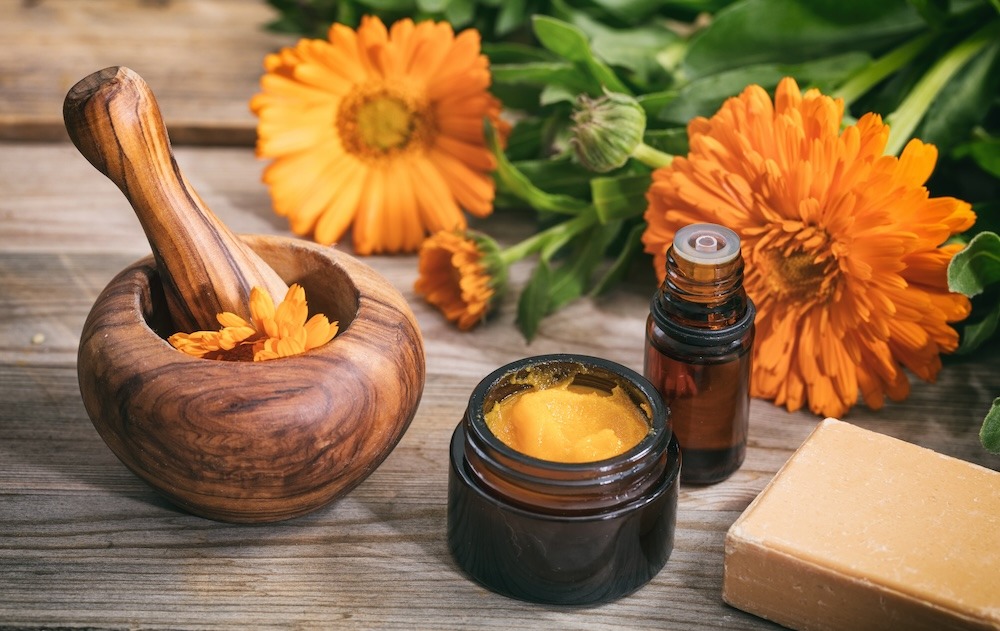
Calendula as a Natural Regenerator and Soothing Agent
The calendula (Marigold officinalisCalendula offers extraordinary benefits for skin care and recovery. Its flowers are rich in flavonoids, carotenoids, and triterpenediol monoesters, which act as powerful natural soothing agents to relieve discomfort and skin tightness. While the anti-inflammatory properties of calendula extract or oil are well-known in general botanical literature for reducing superficial inflammation, when applied in hygiene care, it complements the pet’s overall well-being. At a cellular level, calendula promotes renewal by attracting immune cells to the affected area during the initial cleansing phase, accelerating skin clearing. Furthermore, it helps soothe local redness, stimulates cutaneous microcirculation, and promotes the formation of a more flexible collagen structure, preventing tissue stiffness and promoting your pet’s skin health. The combination of purified aloe vera and calendula creates an exceptional cosmetic synergy that speeds up recovery and provides a powerful soothing and skin-protecting effect.
The Paradigm of Care in a Humid Environment
Modern animal hygiene relies on natural moisture, moving beyond the old practice of allowing skin to air dry into a hard scab. Maintaining optimal moisture levels in the affected area offers significant benefits for the animal’s well-being. The natural fluid produced by a clean area contains nutrients that directly stimulate cell regeneration. In this environment, the body’s defenses perform selective natural cleansing, eliminating impurities without harming healthy skin. Furthermore, cells migrate twice as fast on a moisturized surface compared to a dry one. By preventing extreme dryness and cracking, we prevent the area from becoming irritated by physical movement, reducing discomfort by keeping the skin’s nerve endings hydrated. This protective approach significantly reduces recovery time for superficial abrasions and provides an excellent barrier against external dirt, facilitating natural skin regeneration. This is why controlled environment healing is the gold standard in the industry.
CicaPet Cream: A Specialized Solution for Dogs and Cats
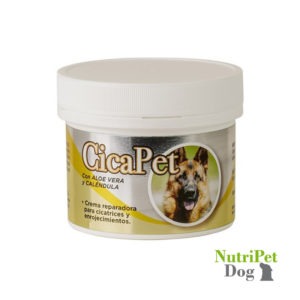
NutriPetDog’s CicaPet is the ideal solution for applying this care in a humid environment at home. This skin-protecting cream, designed as an excellent skin protectant for dogs and cats, utilizes a combination of Aloe vera and calendula in a highly absorbable formula that acts as an invisible dressing on the pet’s skin. Upon application, it covers and protects sensitive skin, retaining just the right amount of moisture to promote regeneration and isolating it from external dirt. Furthermore, its neutral pH is perfectly balanced to respect the natural needs of each dog or cat, preventing secondary irritations to their delicate skin. Its formula with natural ingredients and no added artificial fragrances ensures that pets tolerate the application without any olfactory aversion. Its carefully crafted, high-tolerance cosmetic formula respects animal welfare and requires no prescription.
Practical Instructions and Common Use Situations
CicaPet cream is very useful in various situations in our pets’ daily lives, helping to solve skin problems through its protective action:
- Chafing from collars or harnesses:The constant friction from these ill-fitting accessories wears down the skin’s barrier, causing hair loss and redness. The cream soothes the tightness and acts as a protective film that isolates the skin.
- Irritations after the hairdresser:Close hygienic shaving can remove the skin’s protective layer, causing dryness and intense itching. CicaPet moisturizes the affected area, relieves the stinging, and curbs the urge to scratch.
- Dryness in the footpads:The paw pads are our furry friends’ natural footwear, suffering on hot asphalt or ice. This cream restores their elasticity through deep hydration and prevents cracking, keeping dirt out.
- Irritations after the hairdresser:Close hygienic shaving can remove the skin’s protective layer, causing dryness and intense itching. CicaPet moisturizes the affected area, relieves the stinging, and curbs the urge to scratch.
- Recovery after interdigital foxtails:These plants often get stuck between the toes, causing fistulas and discomfort. After removal by a veterinarian, the cream reduces inflammation in the affected area and promotes natural healing.
- Recovery after interdigital foxtails:These plants often get stuck between the toes, causing fistulas and discomfort. After removal by a veterinarian, the cream reduces inflammation in the affected area and promotes natural healing.
-
- Areas reddened by the sun:They primarily affect light-skinned pets in exposed areas such as the muzzle or abdomen. The cream has a cooling effect that soothes superficial cell damage and stimulates regeneration.
- Support calluses:Its use in pressure areas, such as the elbows of large dogs, prevents thick skin from becoming dry.
- Areas reddened by the sun:They primarily affect light-skinned pets in exposed areas such as the muzzle or abdomen. The cream has a cooling effect that soothes superficial cell damage and stimulates regeneration.
Practical Guide for the Application of Healing Cream
To ensure optimal recovery and maintain skin hygiene, the product should be applied following these recommended guidelines:
- Tutor hygiene:Wash your hands thoroughly and prepare sterile gauze, avoiding cotton because its fibers can stick and act as foreign bodies on the skin.
- Gentle cleaning:Gently clean the affected area with lukewarm water or saline solution to remove dust, dirt, scabs, or cream residue. You can use mild pet soap, rinsing the area thoroughly to remove any residue.
- Thorough drying:Dry the area by gently dabbing with gauze without rubbing, ensuring that the surrounding skin is completely dry to avoid maceration.
- Application:Apply the cream as a thin, even layer directly onto the affected area and one centimeter of the surrounding healthy skin to protect the margins for regeneration.
- Gentle massage:Gently massage in a circular motion to help the protective cream absorb properly. There’s no need to bandage the area.
- Protection:Prevent the animal from licking the area immediately by distracting it for about fifteen minutes with petting or toys to allow the cream to be absorbed.
- Frequency of applicationIt is recommended to apply once or twice a day.
Analysis and comparison with other alternatives
In analyzing and comparing the options available on the market, CicaPet stands out for its balance. Unlike prescription medications or healing gels for dogs, which focus on the care of complex clinical wounds and often require an additional antiseptic, CicaPet is a hygienic, over-the-counter cosmetic. It also doesn’t resemble the dense, cereal-based formulas or essential oil sprays that can frighten sensitive pets. CicaPet offers excellent ease of application and is safe from licking. However, it’s advisable to understand the product’s composition, and it’s always recommended to consult a veterinarian with any questions. When choosing a healing cream for your first-aid kit, CicaPet is always a safe bet.
Conclusion: A Daily Commitment to Skin Wellness
In conclusion, the combination of Aloe vera and calendula in CicaPet cream, along with its moisturizing approach, provides a fast, comforting, and extremely safe recovery method for our pets. This product is not intended to treat serious clinical conditions, nor is it meant to prevent deep bacterial infections requiring antibiotics. However, it helps accelerate the natural healing process of everyday chafing and roughness, contributing to the skin’s physiological healing process. Keeping this protective moisturizing cream in your home hygiene kit ensures the skin’s well-being, guaranteeing that your beloved companions’ skin recovers quickly, regaining its elasticity and providing complete peace of mind.
Frequently Asked Questions
How does my pet’s daily food affect how quickly their skin recovers?
A good diet is key to healthy skin in animals. If their food lacks essential proteins or vitamins, their bodies won’t have the nutrients needed to rebuild the skin barrier. This will slow down the skin’s natural renewal process and make the new tissue less elastic.
Can stress or fear in my dog or cat affect the health of their skin?
Anxiety directly weakens the immune system, so it’s recommended to consult a veterinarian before applying any treatment. When a pet experiences continuous stress, hormones are released that significantly slow down the natural cleansing process, hindering skin recovery.
Should I protect my pet’s skin from the sun once the area has fully healed?
This is very important, since new skin is thin and sensitive, so it is also important to protect it properly from the sun’s rays.
What can I do if my pet has a scar on its paw pad that is somewhat stiff and causes tightness?
When a blister heals in areas of high movement, such as the creases between the toes, the new skin can become tight. Gently massaging the healed area in circular motions helps restore the skin’s natural elasticity, allowing you to walk comfortably.


