
The Gut-Health Axis and Microbial Therapy
Your furry companion’s gastrointestinal tract harbors a vast and complex microbial community, known as the intestinal microbiota. This ecosystem is crucial, as its functions extend far beyond digestion and digestive health—they are fundamental to nutrition, metabolism, and your pet’s immune defenses. The balance of the microbiota and the diversity of this community are essential for maximizing your companion’s health and well-being.
When this intestinal balance becomes disrupted, a state ofintestinal dysbiosis occurs, which has been identified as a causative or contributing factor in a wide range of canine pathologies. The role of intestinal microbiota in health and disease is clear.
Alterations in the intestinal microbiota are directly linked to disorders such as acute diarrhea, Inflammatory Bowel Disease (IBD), certain dermatological conditions, and even behavioral disturbances. External factors such as stress, dietary changes, and especially antibiotic administration can negatively modulate the microbiota, diminishing its diversity and functionality. For this reason, microbiota intervention through dietary tools has become a priority in veterinary medicine.
What Are Postbiotics for Dogs?
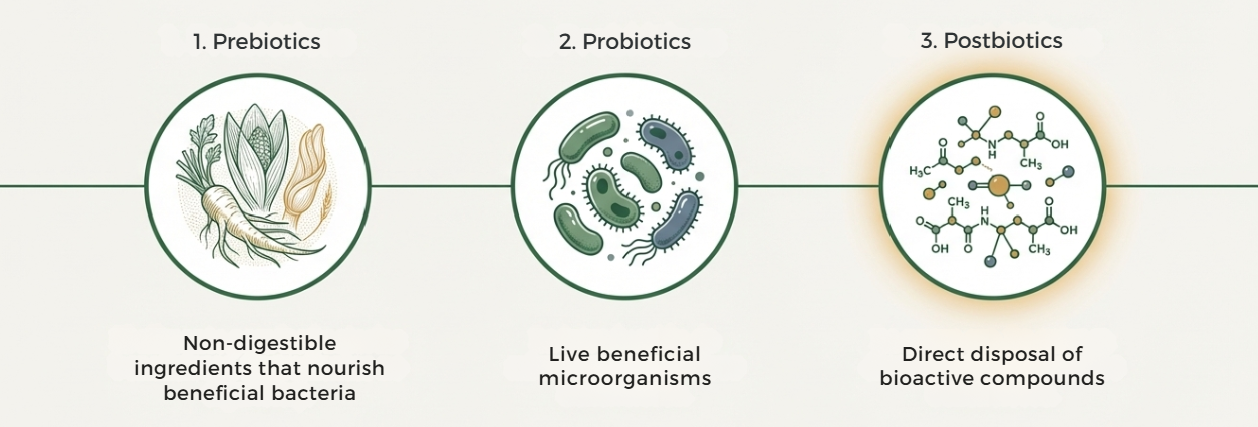
Traditionally, microbiota intervention has centered on prebiotics (non-digestible ingredients that nourish beneficial bacteria) and probiotics (live beneficial microorganisms), as we explained in “Prebiotics and Probiotics for Dogs: Key Benefits Parts I and II.” However, the field of intestinal health has expanded with the emergence of postbiotics, defined by the International Scientific Association for Probiotics and Prebiotics (ISAPP) in 2021.
A postbiotic is scientifically defined as “a preparation of inanimate microorganisms and/or their metabolites that confers a health benefit to the host.” This represents a significant difference from probiotics.
From Probiotics to Postbiotics: Understanding the Difference
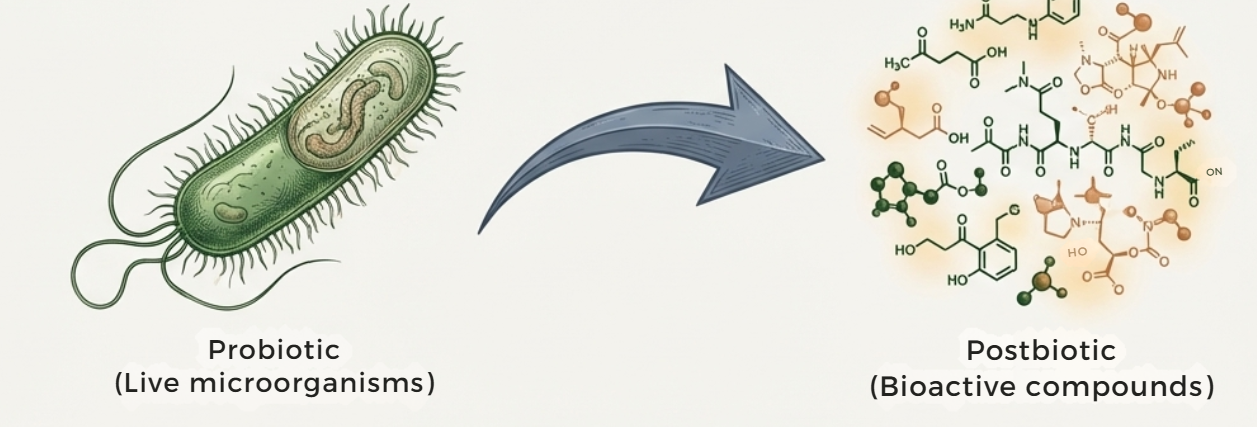
Thispostbiotic concept represents a significant shift, as it enables thedirect delivery of microbial activity benefits without depending on bacterial strain viability.
In contrast to probiotic administration—which involves live bacteria that must survive passage through the stomach and compete for intestinal colonization—postbiotics work directly with the bioactive compounds generated during the fermentation process.
A critical advantage of postbiotics lies in their stability and precision in dosing.Live probiotics are inherently sensitive to industrial conditions, temperature, and the acidic environment of the gastrointestinal tract, which can compromise theirclinical efficacy.
Since postbiotics are inanimate microorganisms or their metabolites, they maintain superiorstability during processing and possess an extended shelf life. This robustness allows precise control over the appropriate quantities of bioactive compounds administered to your pet, ensuring that the therapeutic strategy is more predictable and consistent—a decisive factor in veterinary clinical practice.
The Active Components
To understand what postbiotics are, we must focus on their key metabolites. Postbiotics contain complex mixtures of bioactive molecules resulting from the fermentation process, including:
- Short-Chain Fatty Acids (SCFAs): These are the preferred and vital energy source for intestinal wall cells. They are the most studied metabolites due to their profound impact on intestinal health and include acetic acid, propionic acid, and especially butyric acid. The latter is employed in the form of tributyrin and helps maintain the balance of intestinal cells, known as enterocytes.
- Inactivated Cell Lysates: These are fragments of cell walls and other parts of the original bacteria with effects on the immune system. The clinical efficacy of a postbiotic depends deeply on the strain of origin and the processing technology employed (inactivation or lysis). For example, strains such as Lacticaseibacillus paracasei CECT9610 (isolated from the microbiota of healthy dogs) and Lactiplantibacillus plantarum CECT9608 provide SCFAs (such as acetic and butyric acid), as well as cell wall fragments and other metabolites with potent immunomodulatory effects.
- Bacteriocins and Organic Acids: Substances with antimicrobial action.
 |  |
| Lacticaseibacillus paracasei | Lactiplantibacillus plantarum |
This specific approach to the metabolite profile is what distinguishes high-performance postbiotics for intestinal health in dogs.
Postbiotic Mechanisms: Modulation of Intestinal Flora
Strengthening and Repairing the Intestine
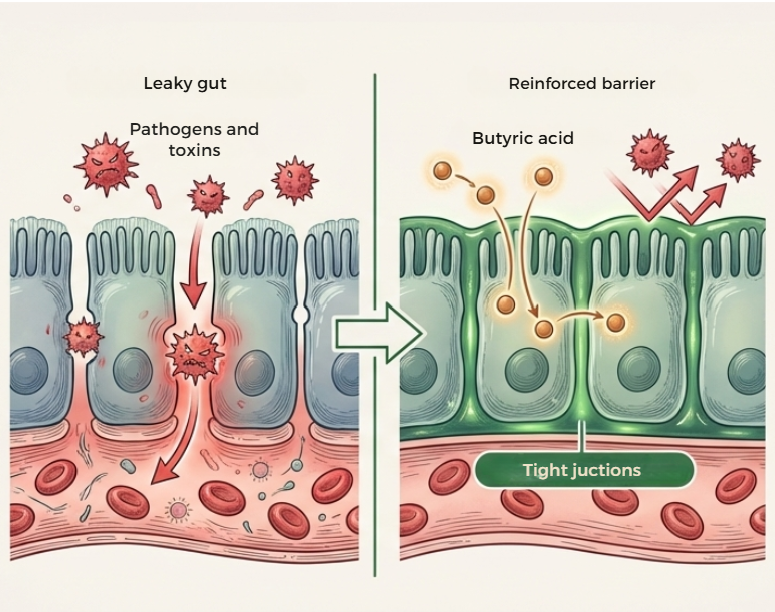
Supporting the intestinal barrier is one of the most critical roles of butyric acid. This short-chain fatty acid (SCFA) is the primary energy source for colonocytes (the cells lining the colon). The energy provided by butyrate is fundamental to constant regeneration and maintenance of intestinal health.
At the molecular level, butyrate helps strengthen“tight junctions.” Think of these junctions as the cement thatseals the space between intestinal cells, controlling what passes into the bloodstream.
By reinforcing the intestinal barrier through these junctions, postbiotics help repair the intestinal mucosa andreduce intestinal permeability. This prevents the phenomenon of “leaky gut,” which is a crucial pathway for toxins, antigens, and pathogens to enter the body, triggering inflammation and various diseases. Strengthening these digestive functions is fundamental and helps improve intestinal health and fortify your pet’s intestine and immune system. Furthermore, how postbiotics affect intestinal pH is a key area forinhibiting pathogens.
Immune System Modulation and Inflammation Reduction
Postbiotics play a sophisticated role in modulating your pet’s immune system. These bioactive compounds stimulate immune defenses preventively, increasing the capacity to cope with infectious diseases. For example, lysate from certain bacteria can stimulate the immune system and increase the secretion of defensins, antimicrobial peptides that are part of immunity.
One of the most important contributions of postbiotics is their capacity to promote anti-inflammatory responses throughout the body.
This action is relevant for managing chronic conditions. By strengthening overall health and modulating the inflammatory response, postbiotics significantly contribute to reducing inflammation and the incidence of infectious diseases, which consequently decreases the need for antibiotic use in veterinary practice. This modulation is vital for inflammation-based diseases, includingInflammatory Bowel Disease (IBD).
Detoxifying Action and Pathogen Control
The detoxifying function of postbiotics is achieved primarily through pathogen suppression and maintenance of intestinal barrier integrity. Beyond direct action, postbiotics compete with harmful pathogens, such as E. coli and Clostridium spp., for essential nutrients and adhesion sites in the intestinal mucosa. By preventing colonization, they reduce the risk of opportunistic diseases.
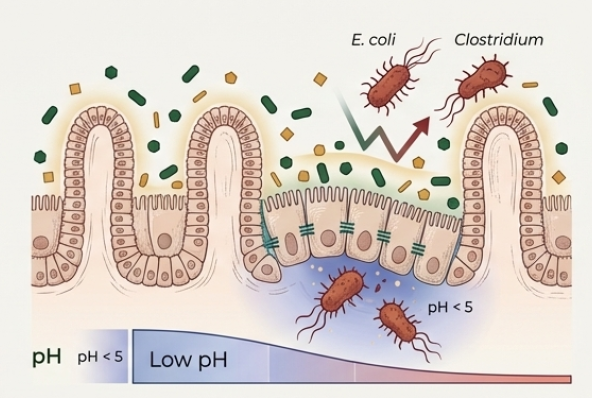
Support for systemic detoxification is articulated through strengthening the Gut-Liver Axis. When intestinal dysbiosis compromises the intestinal barrier, microbial toxins pass into the bloodstream.
If postbiotics successfully reinforce the intestinal barrier through tight junctions and limit the multiplication of toxin-producing pathogens, they drastically reduce the toxic burden reaching the liver. This decrease in metabolic stress is a fundamental preventive mechanism that can improve your pet’s overall health.
Clinical Evidence and Therapeutic Benefits for Your Pet
Acute Gastrointestinal Disorders
The most immediate and well-studied clinical benefit of postbiotics for dogs is their impact on gastrointestinal disorders. The administration of these bioactive compounds promotes faster recovery, especially in cases of stress-induced diarrhea, dietary changes, or antibiotic-induced diarrhea.
The potential of postbiotics in canine health confirms that postbiotics could be a promising strategy in therapeutic veterinary medicine. Controlled studies have demonstrated that the use of products containingmetabolites from beneficial strains has a normalizing effect on stool consistency.
Beyond improved fecal quality, theintestinal modulation provided by postbiotics also improves your dog’s overall health, helping your pet maintain appetite and potentially reducing vomiting. Postbiotics can reduce the concentration of opportunistic bacteria that typically proliferate during diarrheal episodes, such as Clostridium perfringens.
Maximizing Nutrient Absorption
Intestinal health and nutrient absorption are intrinsically linked. By improving the function of nutrient-absorbing cells (enterocytes), postbiotics have a direct positive effect on feeding efficiency.
This effect is observed even in sensitive stages, such as in puppies, where postbiotic supplementation can stimulate appetite and maximize food metabolism. A well-maintained and functional intestinal mucosa is essential for an efficient digestion and nutrient absorption process. This is a key area where postbiotics can be highly beneficial.
Strategic Use in Canine Veterinary Medicine
Postbiotics offer solutions for addressing complex clinical challenges and play an important role:
- Inflammatory Bowel Disease (IBD): Thanks to their potent anti-inflammatory capacity and role in immune regulation, probiotics and postbiotics have become a valuable tool. This anti-inflammatory action is crucial for managing IBD and other systemic diseases related to dysbiosis, including dermatological conditions.
- Support for Puppies and Stress Situations: Critical life phases represent direct stress on your puppy’s microbiota and immune system. Postbiotics are beneficial in these scenarios, as they help strengthen the beneficial bacterial population and ensure that the immune system is robust and prepared for pathogen exposure. Postbiotics help improve intestinal health in dogs and cats.

Frequently Asked Questions
Are there any naturally-derived postbiotics I can give my pet?
Yes. Brewer’s Yeast (Saccharomyces cerevisiae), in its inactive form, is one of the examples of natural postbiotics with high activity. The compounds in its cell wall help reinforce the intestinal barrier and intestinal immunity, strengthening the beneficial bacterial population.
 |
| Saccharomyces boulardii |
However, this beneficial bacterium contains purines, so its use is contraindicated in cats and dogs with fungal-related diseases or predisposition to urate urinary crystals.
If I want to give postbiotics at home, how can I safely use fermented foods?
Fermented foods such as kefir or fermented vegetables (carrots, zucchini, squash) are an excellent source. The key to safe preparation is graduality for a healthy intestinal microbiome and thus maintaining intestinal health:
- Start with very little: Initially, add only a few drops of the fermentation juice to your companion’s daily ration.
- Increase slowly: Gradually increase the quantity to ensure their digestive system tolerates it well and to promote a balanced intestinal microbiome.
What commercial postbiotic formats are available at the veterinary clinic for dogs and cats?
In the veterinary market, postbiotics are presented in various commercial formats to ensure precise dosing:
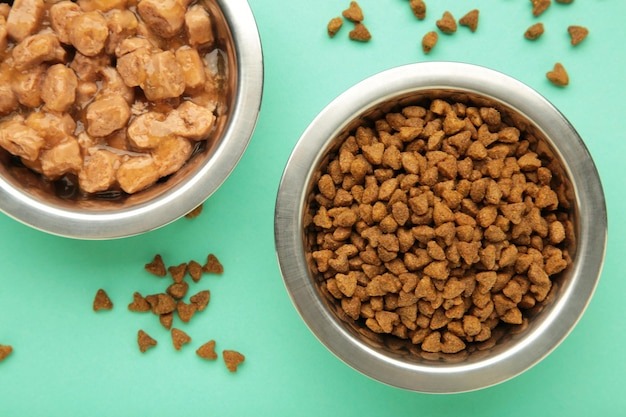
- Palatable Powders: Come in individual sachets (easily mixable with wet or dry food) and are often formulated as a symbiotic, combining prebiotic, probiotic, and postbiotic action (such as tributyrin).
- Liquids or Drops: Presented in small bottles with dosing pipettes. This format allows very precise administration, which is ideal for puppies, small dogs and cats, or for a very gradual introduction of postbiotics to the diet.
Beyond diarrhea, what possible postbiotic benefits are especially important for senior dogs?
Postbiotics can be exceptionally beneficial for senior dogs because they address common aging problems, contributing to the health of our dogs. In this regard, postbiotics can play a crucial role:
- Reduction of Chronic Inflammation: Postbiotics promote anti-inflammatory responses. This is vital for senior dogs that often suffer from low-grade inflammation or joint conditions.
- Immune Support and Protection: The immune system weakens with age. Postbiotics help modify the intestinal microbiota and stimulate the immune system, helping your pet cope with infections and pathogens more effectively.
- Improved Nutrient Absorption: By energizing the intestinal mucosa, postbiotics optimize digestion and nutrient absorption, ensuring that senior dogs get the maximum benefit from their food.


