
Why Your Champion’s Gastrointestinal Tract is the Key to Their Vitality
When you think about your champion’s health, it’s natural to focus on your dog’s diet, exercise, and vaccinations. However, the overall well-being and longevity of your pet depend largely on an organ that is often overlooked but is fundamental: the gastrointestinal tract (GIT). Modern scientific research has revolutionized our understanding of this digestive system, demonstrating that it is much more than a simple tube.
Your Furry Friend’s “Second Brain”
As we mentioned in Part I, your pet’s intestine is, in essence, their “second brain”. This organ not only metabolizes food but plays a crucial role in defense, as 70% of the immune system resides in this tract. A thriving and balanced microbiome is essential for efficient nutrient absorption and processing, and for keeping populations of potentially harmful microorganisms in check. This understanding places intestinal health as the fundamental pillar of systemic health.
For this reason, veterinary medicine seeks safe and effective alternatives to promote health. Faced with the global problem of antimicrobial resistance, science has turned toward biological solutions such as probiotics that restore and help maintain microbial balance.
What Are Probiotics for Dogs?
According to the most widely accepted definition, probiotics are live microorganisms that, when administered in appropriate quantities, confer health benefits to the host by improving the balance of intestinal flora.
To be considered useful, it must demonstrate the ability to survive the digestive process. This means the microorganism must withstand the acidic environment of the stomach and the presence of bile to reach the colon alive and in the appropriate quantity (measured in Colony Forming Units or CFU), where it must colonize to exert its beneficial physiological effect.
Crucial Concepts: Probiotics, Prebiotics, and Related Derivatives
A proactive pet owner should understand the difference between various types of microbiota-related supplements. It is vital to understand the relationship between probiotics and prebiotics:
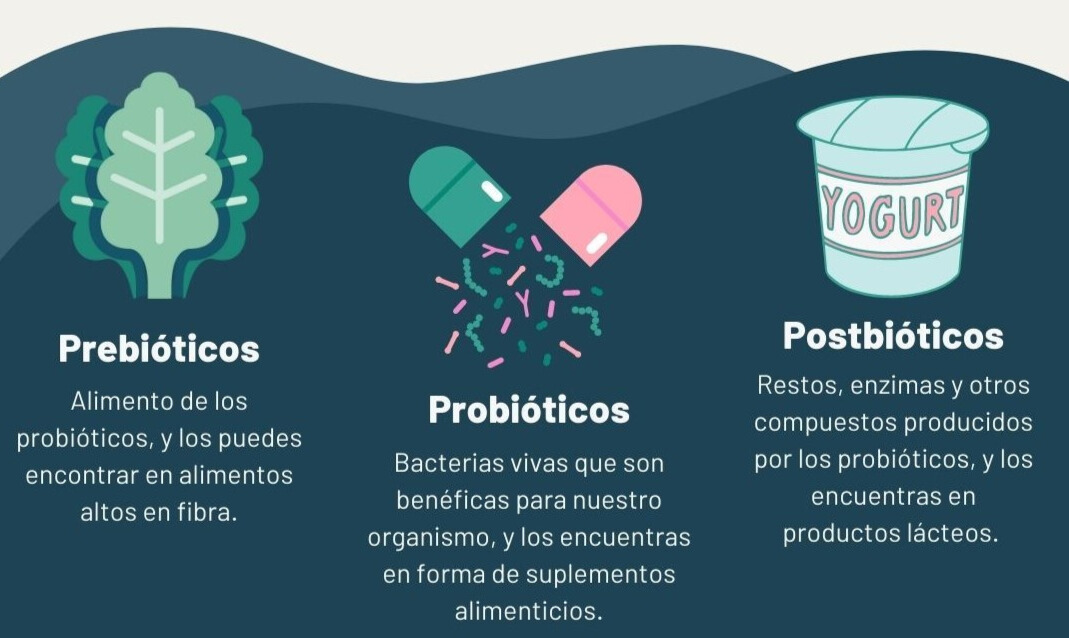
- Prebiotics: Are the “food” that selectively nourishes microorganisms that already reside in the intestine. If you’re interested, it’s defined more broadly in the first part: “Prebiotics and Probiotics for Dogs: Key Benefits Part I”
- Probiotics: The live microorganisms we’ve already defined.
- Symbiotics: A strategic combination of a probiotic and a prebiotic in a single supplement with synergistic effect.
- Postbiotics: Represent the new frontier in canine nutrition. They are bioactive (non-living) compounds produced by probiotic bacteria during the fermentation process. These byproducts, such as Short-Chain Fatty Acids (SCFA), have direct effects on health, helping to reduce inflammation, reinforce the intestinal barrier, and improve nutrient absorption.
Key Microorganisms in the Canine Digestive System
Most veterinary probiotic supplements are designed from genera of microorganisms already present in the canine digestive tract. Intestinal flora includes a diversity of bacteria essential for intestinal health and the immune system. These natural microorganisms predominantly include genera such as Lactobacillus, Bifidobacterium, Enterococcus, Bacillus, and Streptococcus, along with yeasts such as Saccharomyces.
Specific Types of Probiotics
The effectiveness of a probiotic depends critically on the specific strain used. If you’re looking for the best probiotics for dogs or specific probiotics for dogs, you should know that the following probiotic strains are the most studied and suggested in management:
- Lactobacillus acidophilus: One of the most common in dogs and stands out for its role in immune function and food processing.
- Bifidobacterium animalis: Helps prevent the proliferation of harmful microorganisms. This bacterium helps reduce inflammation and improve stool consistency.
- Enterococcus faecium: Highly effective in treating diarrhea.
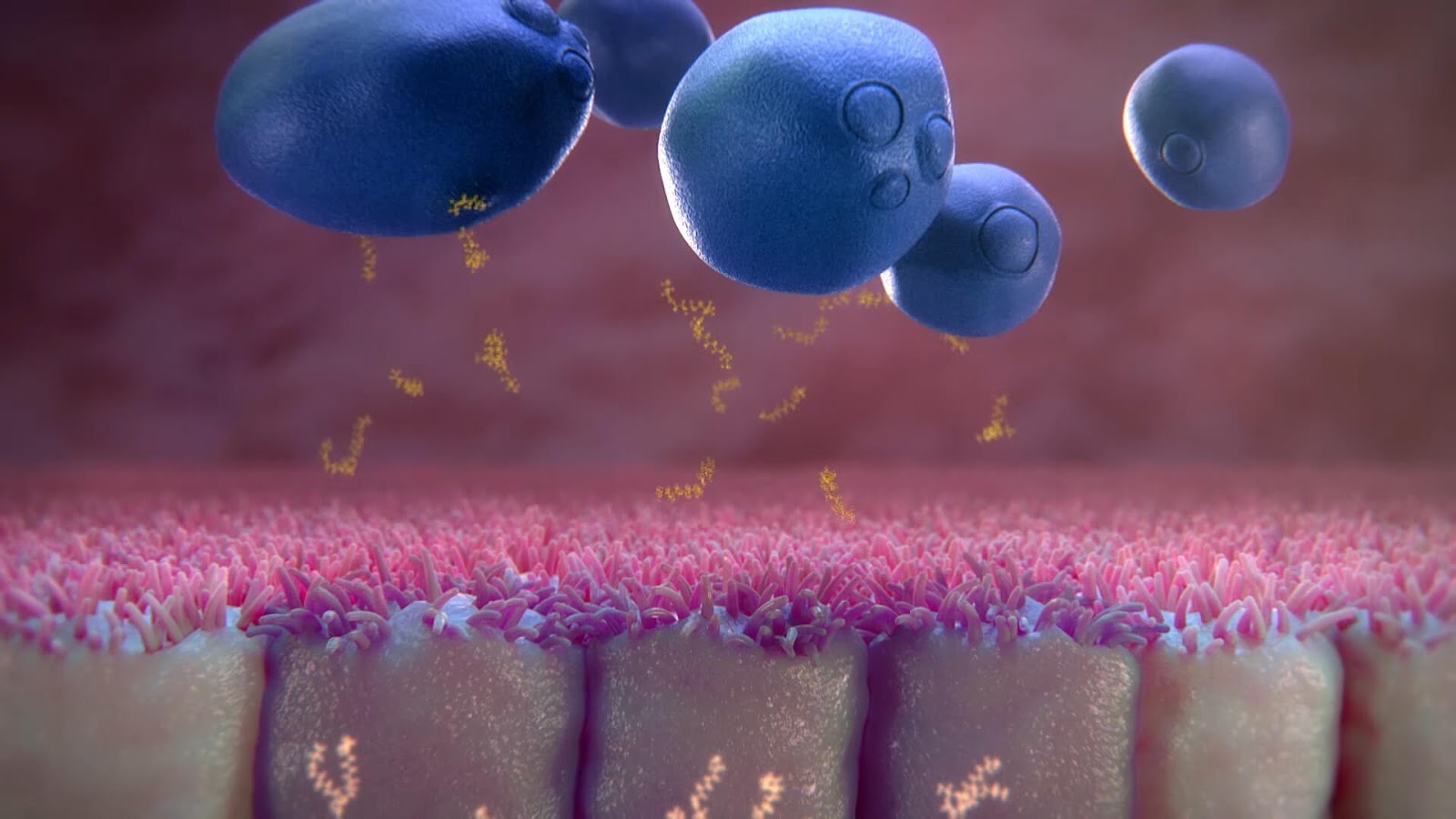
- Saccharomyces boulardii: A probiotic yeast very effective at reducing symptoms of intestinal disorders, especially in cases associated with probiotic use alongside antibiotics.
| Lactobacillus acidophilus | Bifidobacterium animalis | Enterococcus faecium | Saccharomyces boulardii |
Health Applications When Using Probiotics for Dogs
The following table summarizes the functions of the most relevant varieties, providing a quick guide to their clinical application, based on veterinary literature:
| Main Strain | Type of Microorganism | Primary Clinical Application | Proven Support Mechanism |
| Lactobacillus acidophilus | Bacteria | Diarrhea (acute and chronic), Immune Support | Stabilizes pH and competes with pathogens |
| Bifidobacterium animalis | Bacteria | Post-antibiotic diarrhea, Stool improvement | Reduces mucosal inflammation |
| Enterococcus faecium | Bacteria | Prevention of stress-related and general diarrhea | Effective restorer of microbial balance |
| Saccharomyces boulardii | Yeast | Colitis, Diarrhea from antimicrobial use | High antibiotic resistance and anti-inflammatory effect |
| Bacillus Strains | Bacteria (Sporulated) | Formula stability, General digestive health | Maximum guaranteed survival of digestive transit |
Probiotic Supplements and Their Interaction with the Organism
Support Mechanisms in Intestinal Health
Probiotics act directly in your champion’s colon through several fronts, positively impacting digestive processes in dogs:
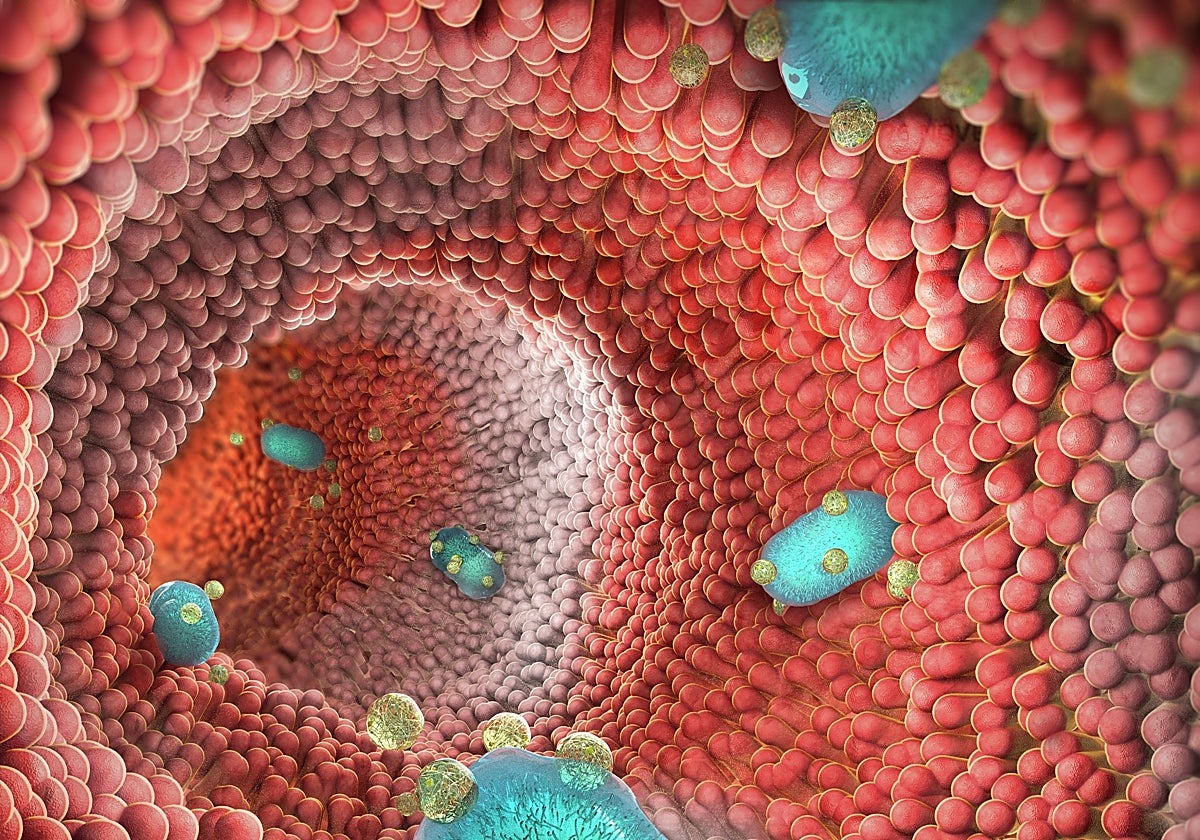
- Competitive Exclusion: This is a key physical mechanism. Beneficial microorganisms adhere to the intestinal wall, occupying available space. By doing so, they prevent harmful pathogenic agents from adhering to, multiplying, and colonizing the mucosa. This physical displacement is vital for combating infections.
- Production of Metabolites (Postbiotics): Probiotics, when fermenting undigested substrates (including prebiotics), generate essential byproducts known as postbiotics. The most important are Short-Chain Fatty Acids (SCFA)—such as acetate, propionate, and butyrate—which are the primary energy source for colon cells. These SCFAs not only nourish but some generated compounds also have a direct antimicrobial effect, helping to control populations of pathogenic microbes.
Strengthening the Mucosa Barrier and Detoxification
A critical function of the microbiome assisted by probiotics is the maintenance of intestinal barrier integrity.
- Structural Reinforcement: Probiotics help strengthen the tight junctions between intestinal cells, as well as enhance the health of the microvilli, structures responsible for nutrient absorption.
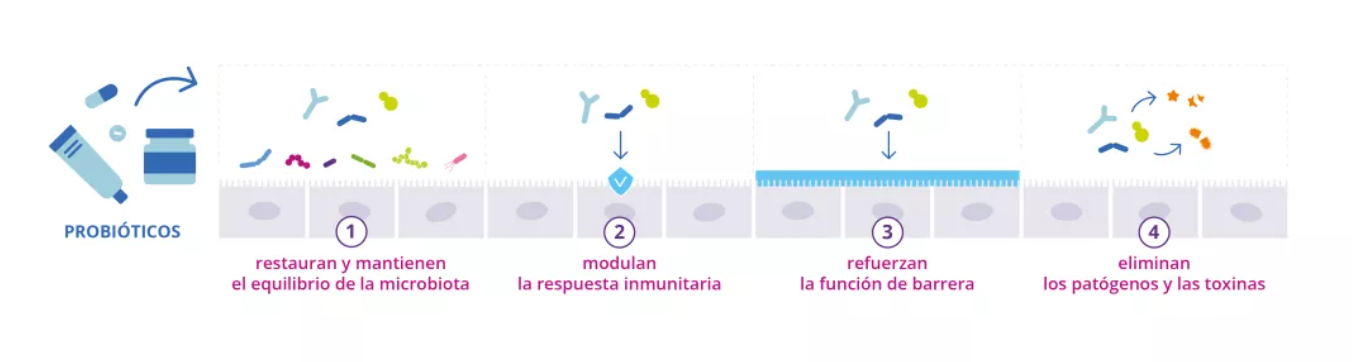
- Selective Filtration: A robust barrier functions as an intelligent and selective filter, essential for digestive processes in dogs. It ensures the efficient uptake of vital nutrients while actively filtering out toxins and unwanted byproducts. By reducing the amount of toxins that pass into the bloodstream, the burden and stress on vital organs such as the liver is minimized, a crucial factor that contributes to systemic health and longevity.
The Gut-Immunity Axis: Your Friend’s Natural Defenses
The interconnection between the microbiome and the immune system is perhaps the most relevant aspect, as around 70% of your dog’s defenses are concentrated in their gastrointestinal tract. Strengthening the immune system is key.
- Immune Modulation: Probiotics modulate and activate the immune system through interaction with Gut-Associated Lymphoid Tissue (GALT). By doing so, probiotics can improve the body’s ability to respond to threats. This enhances your pet’s natural defenses.
- Production of Protective Antibodies: This modulation actively promotes the formation of specific immunoglobulins in the mucosa, primarily IgA and, to a lesser extent, IgG. These antibodies create an essential chemical barrier that neutralizes threats before they can penetrate the mucosa.
- Inflammation Control: These supplements are natural anti-inflammatory agents. They have the ability to regulate excessive immune response, calming the chronic inflammation that characterizes conditions such as Colitis or Inflammatory Bowel Disease (IBD). This explains their benefits for dogs.
Benefits of Probiotics in Well-Being and Clinical Applications
The use of probiotics in your dog’s diet is supported by evidence demonstrating significant improvements in food assimilation, immunity, and systemic well-being. These are the main benefits for dogs that have been clinically proven.
Relief from Common Gastrointestinal Disorders in Dogs
Digestive disorders are the most common indication for probiotic administration, offering a fundamental solution to restore balance to the digestive system:
- Acute or Chronic Diarrhea: Diarrhea in dogs is one of the most common reasons for probiotic use. Selected strains are highly effective at reducing the duration and intensity of symptoms, whether caused by infections, parasites, abrupt dietary changes in your dog, or stressful situations. They help restore the microbiota and significantly reduce symptomatology.
- Management of IBD and Colitis: Inflammatory Bowel Disease (IBD) is a chronic condition that involves strong mucosal inflammation. The use of probiotics in canines with IBD has proven beneficial for reducing this chronic inflammation and alleviating symptoms such as persistent diarrhea and abdominal pain. Similarly, in cases of Colitis (colon inflammation), probiotics help stabilize intestinal flora and reduce excessive mucus in stools.
- Post-Antibiotic Recovery: Antibiotics, while necessary, can decimate both harmful and beneficial bacteria. Probiotics, especially those resistant like Saccharomyces boulardii, help restore the microbiota quickly, preventing the recurrence of gastrointestinal problems and diarrhea associated with the use of these drugs.
Optimization of Nutritional Health
Improved digestion translates directly into better nutrition and food assimilation.
- Improved Absorption: Probiotics facilitate the breakdown of certain complex components and, by maintaining intestinal mucosal integrity, improve your pet’s ability to absorb essential nutrients, including vitamins, minerals, fats, and proteins.
- Support for Malabsorption: This function is vital in canines suffering from malabsorption conditions or Exocrine Pancreatic Insufficiency (EPI), where probiotic support can significantly improve food utilization and nutrient processing.
From Skin to State of Mind
Control of chronic inflammation at the gastrointestinal level has systemic repercussions that impact the overall well-being of dogs’ organisms, beyond the digestive tract:
- Healthy Skin and Coat: The reduction of internal inflammation manifests externally. Studies have shown that probiotic use helps dogs with non-specific allergic symptoms and in complex processes such as atopic dermatitis, improving skin and coat health by modulating excessive immune response.
- Mental and Emotional Well-Being: There is bidirectional communication between the intestine and the brain (gut-brain axis). A balanced microbiome has been associated with neurotransmitter modulation and an overall reduction in inflammatory signals that can contribute to stress or behavioral changes such as anxiety in dogs, reinforcing the importance of intestinal health for mental well-being.
Key Clinical Benefits and Practical Application for Your Dog
The following table synthesizes the beneficial effects that probiotics for your dog can bring to their life, demonstrating that their impact is integral:
| Primary Benefit | Common Practical Applications | Main Systemic Interaction |
| Diarrhea Reduction | Dietary changes, antibiotic treatments | Restores intestinal flora balance and improves fecal consistency |
| Immune Support | Puppies, senior dogs, allergies | GALT activation and IgA/IgG production (strengthening the immune system) |
| Dermatological Health | Atopic dermatitis, non-specific allergies | Reduction of systemic chronic inflammation |
| Nutritional Improvement | Malabsorption, Exocrine Pancreatic Insufficiency (EPI) | Facilitates nutrient breakdown and uptake |
| Emotional Well-Being | Stress, behavioral changes | Modulation via gut-brain axis |
Considerations When Taking Probiotics in Dogs
Natural Food Sources and Supplements
Although commercial probiotics or probiotic supplements offer the highest therapeutic doses of CFU, certain natural probiotic foods can be an excellent source of natural probiotics for dogs and general digestive support, helping to maintain that internal balance:
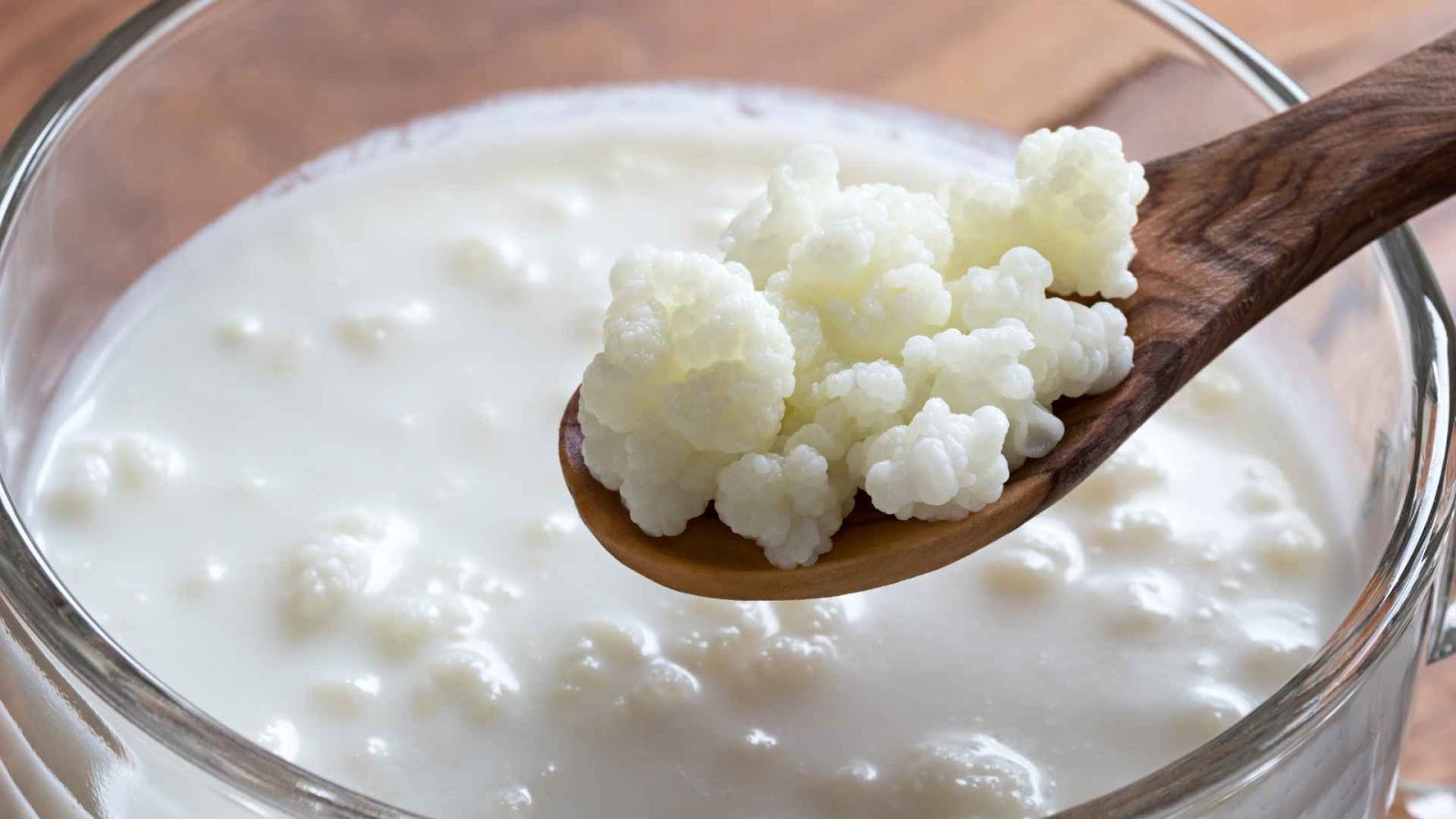
- Kefir and Natural Yogurt: Kefir, similar to natural yogurt but with significantly reduced lactose content due to fermentation, is an ideal source for strengthening the immune system and assisting in nutrient digestion.
- Sauerkraut and Fermented Vegetables: Fermented vegetables, such as Sauerkraut (fermented cabbage), are excellent probiotic foods that contain natural strains and fiber to improve the digestive process and intestinal well-being.
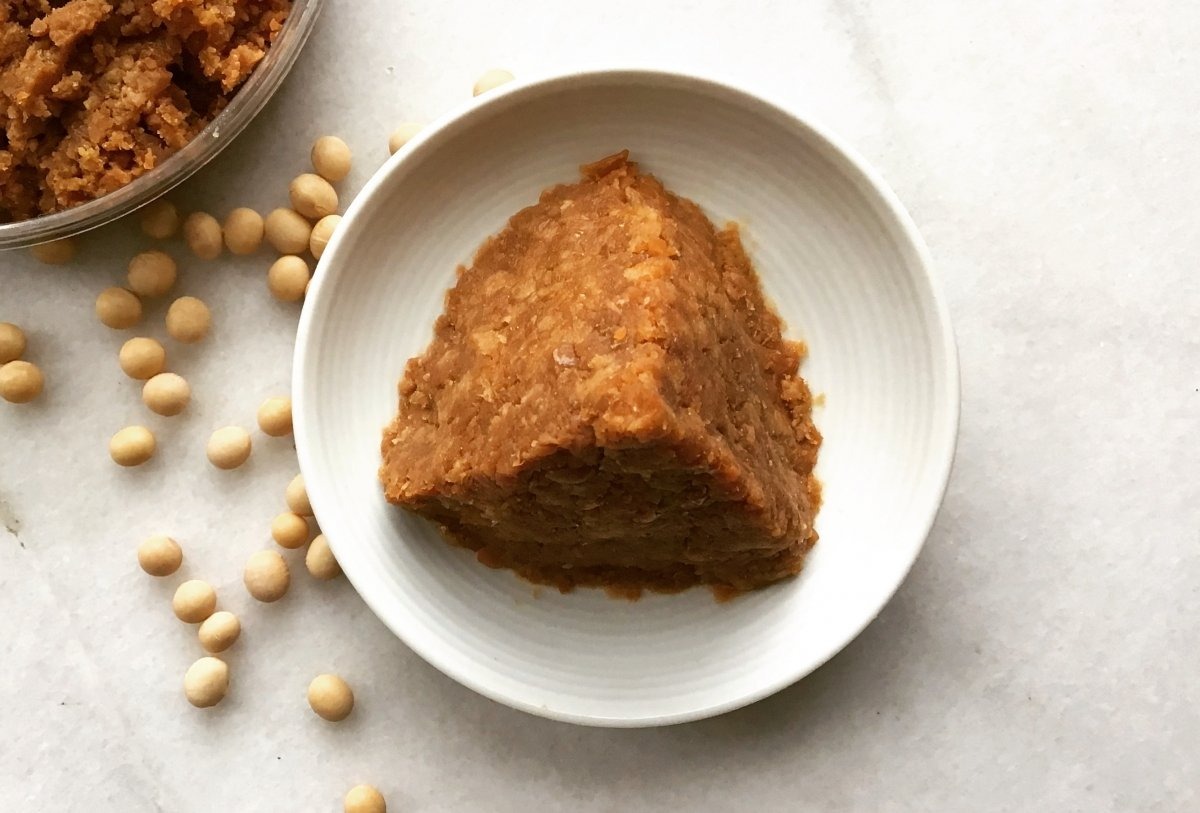
- Miso Paste: Although it should be administered in moderation due to its sodium content, miso paste is another fermented food that can provide probiotics and beneficial enzymes for dogs’ organisms.
- Fermented Bone Broth: This food is not only rich in minerals and nutrients, but the fermentation process can provide natural probiotics to the canine organism.
While these natural sources are healthy, commercial probiotics or specifically designed probiotic supplements usually guarantee the necessary concentrations (CFU) to treat acute conditions.
Consultation with Your Veterinarian: Recommended Dosage and Side Effects of Probiotics
If you’re wondering whether to give probiotics to your pet or if dogs can consume these supplements, the answer is yes, they are safe for dogs. However, it is essential that the owner always consult with a veterinarian before starting any supplementation. This consultation guarantees safety and effectiveness, as the veterinarian will be able to:
- Guide you on the appropriate type and variety: They will tell you the recommended probiotics and whether they include probiotics that suit your dog’s needs. They will also tell you whether you should use veterinary probiotics instead of human probiotics.
- Recommend the precise dose: The expert can recommend the dose (CFU) and type of supplement that best fits your dog’s needs. According to literature, it generally ranges between 1 to 5 billion CFU (Colony Forming Units) per day. In cases of severe conditions, your dog may need a higher dose. The veterinarian will adjust the dose and frequency.
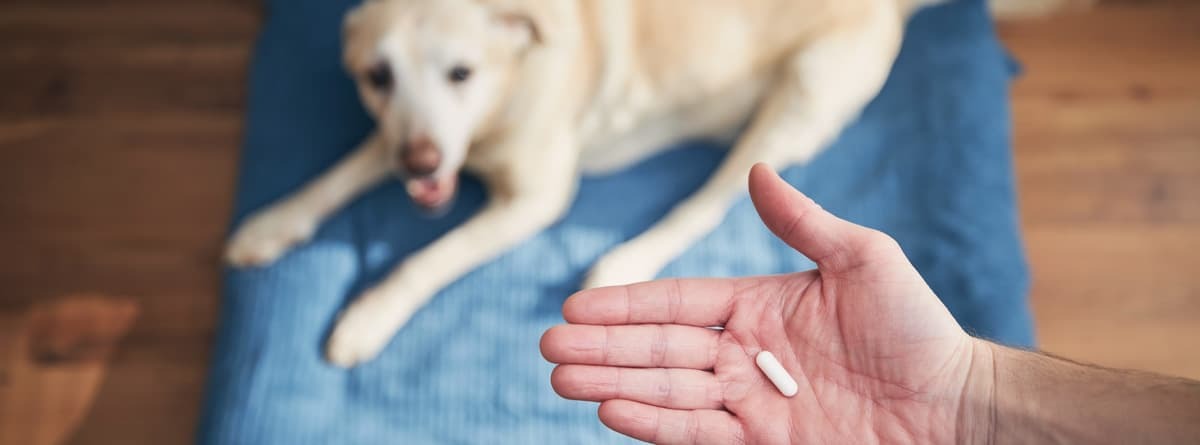
If you’re concerned about the possibility of probiotic side effects, you should know that they are very rare, but the veterinarian will give you precise guidelines on the dose and frequency. It is crucial to understand that, while you can use probiotics as a powerful tool, probiotics for your dog are not a substitute for a balanced diet for your dog.
Frequently Asked Questions
What formats exist for administering probiotics to dogs?
Probiotic supplements formulated for dogs come in several presentations, mainly powders, capsules, and concentrated oral pastes, all designed to protect probiotics (which are live microorganisms) from stomach acid. To administer probiotics to your dog effectively and reduce side effects, your dog can start with a small and gradual dose; the recommended dose should always be established by a veterinarian to ensure the best digestive results in dogs.
Why are fermented vegetables probiotic food and how can they be incorporated into your dog’s diet?
These natural probiotic foods are symbiotic sources of probiotics and prebiotics because lactic acid fermentation produces live bacteria along with prebiotic fiber. As we defined earlier, prebiotics are the food that nourishes the bacteria in your organism that improve digestion and nutrient uptake. You can include probiotics in your dog’s diet by giving them a pinch of the vegetable (without salt, garlic, or onion) as a topping on their food to strengthen intestinal flora balance and thus obtain greater health benefits.
Can canine probiotics be for both dogs and cats, or do they have microorganisms in their microbiota that are incompatible with dogs?
The base strains that dogs include in their natural flora (such as Lactobacillus acidophilus) are safe for dogs and also for cats, because they can take probiotics that help both. For complex problems, the administration of specific probiotics is crucial, so generic probiotics can be given for maintenance, but dog or cat-specific probiotics maximize benefits for each, as the strains are optimized for each species, offering better health results.