
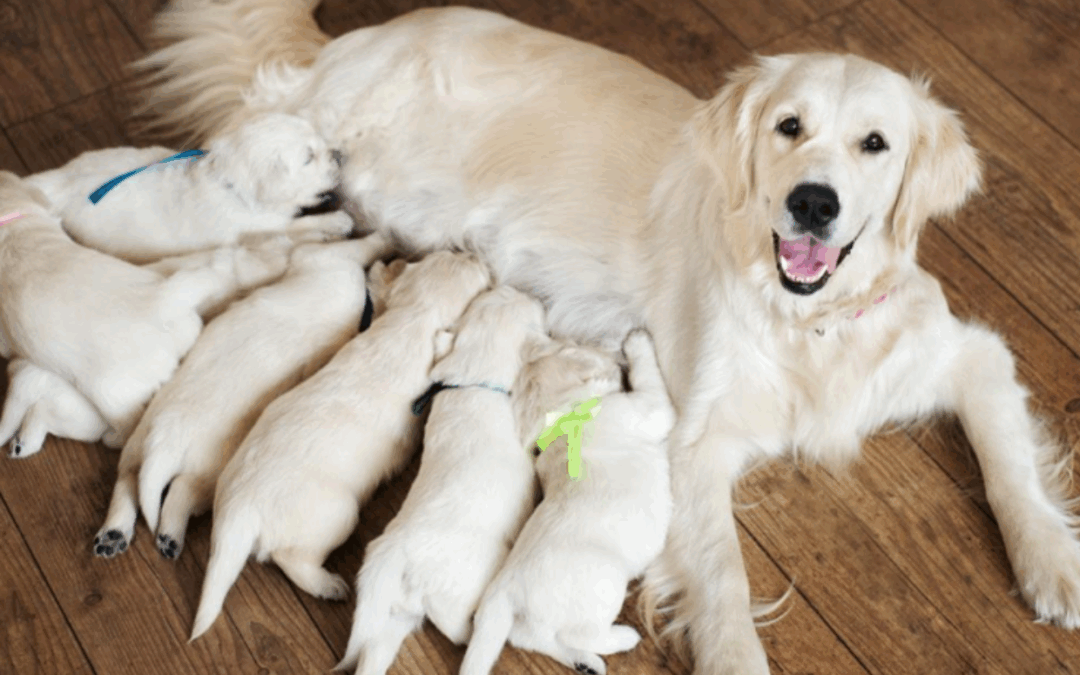
Gestation is one of the most important periods in the life of our adorable canine companions. During this special stage, the nutritional needs of the expectant mother undergo significant changes that require our utmost attention and care.
We understand that nutrition during gestation not only impacts the mother’s well-being but also determines the healthy development of the puppies. Proper nutrition ensures optimal growth of the offspring and prepares our furry friend for the physical demands of labor and subsequent lactation, ensuring sufficient caloric content.
Therefore, it’s essential to learn about the necessary vitamins and minerals to make informed nutritional decisions that benefit both the mother and her future puppies.
Phases of a Pregnant Dog
First Phase: First 5 Weeks of Gestation (Days 1-35)
Weeks 1-2: Fertilization and Implantation
During the first two weeks, fertilization occurs and the fertilized eggs travel to the uterus. In this initial stage, nutritional needs remain practically the same as those of a non-pregnant dog, since the embryos are microscopic and require very little additional energy. The expectant mother can continue with her normal feeding routine.
Weeks 3-4: Embryonic Development
During the third and fourth weeks of gestation, the expectant mother may experience notable changes in her eating behavior. Loss of appetite due to nausea or vomiting is common, which can affect feeding for the pregnant dog.
This phenomenon, known as “canine morning sickness,” affects approximately 60% of pregnant dogs, and symptoms include food rejection, excessive salivation, lethargy, and occasionally vomiting, which can affect milk production.
During this phase, the puppies’ vital organs begin to form, so it’s essential to ensure the mother receives quality nutrients, even if in smaller quantities.
Week 5: Nutritional Transition
At the end of the fifth week, the puppies begin to place greater nutritional demands on the mother. This is the ideal time to begin transitioning to food with higher nutritional density, considering the needs of the nursing mother.
Second Phase: Weeks 5-7 of Gestation (Days 35-49)
Fetal Growth
Starting from the fifth week, we must begin to gradually increase food intake, as the fetuses experience exponential growth. During this phase, each puppy’s weight multiplies by 10.
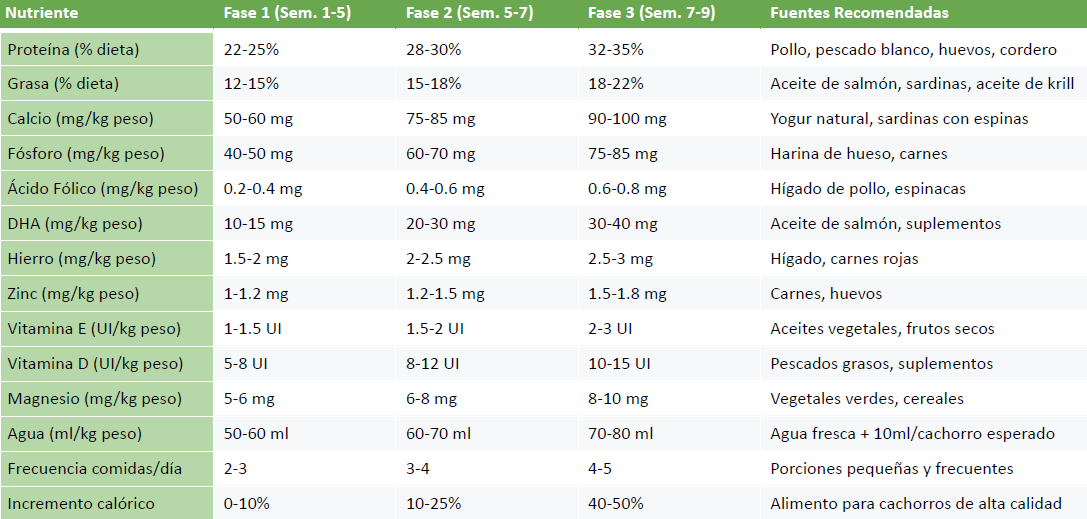
Caloric needs increase progressively: 10% in week 5, 15% in week 6, and up to 25% in week 7 compared to the normal maintenance diet. This increase should be gradual to avoid digestive disorders.
Organ and System Development
During these critical weeks, the puppies’ nervous, cardiovascular, and respiratory systems develop completely. The demand for high-quality proteins intensifies, as they are essential for tissue and organ formation. Calcium and phosphorus intake also increases for skeletal system development, plus omega-3 fatty acids for the puppies’ neurological development.
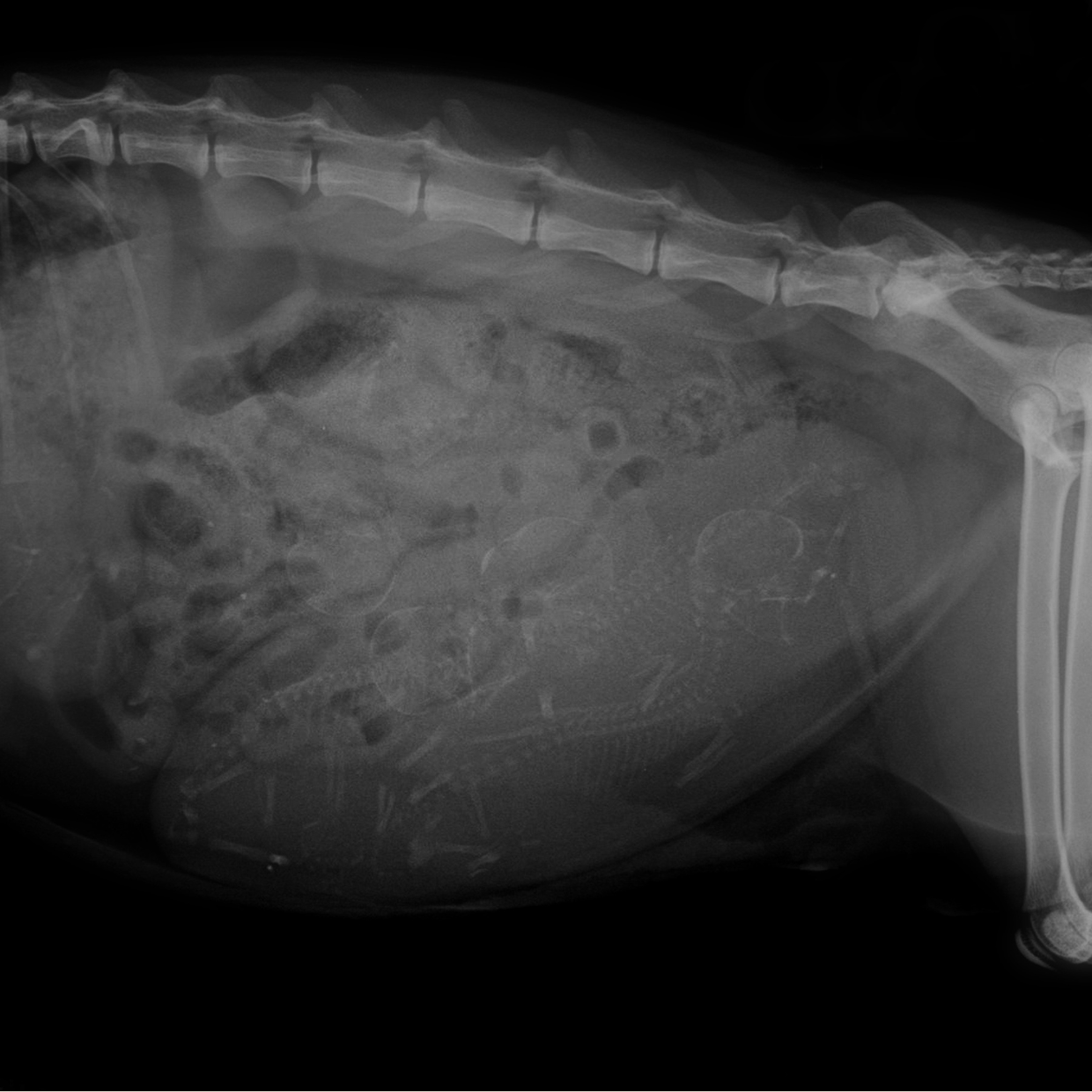
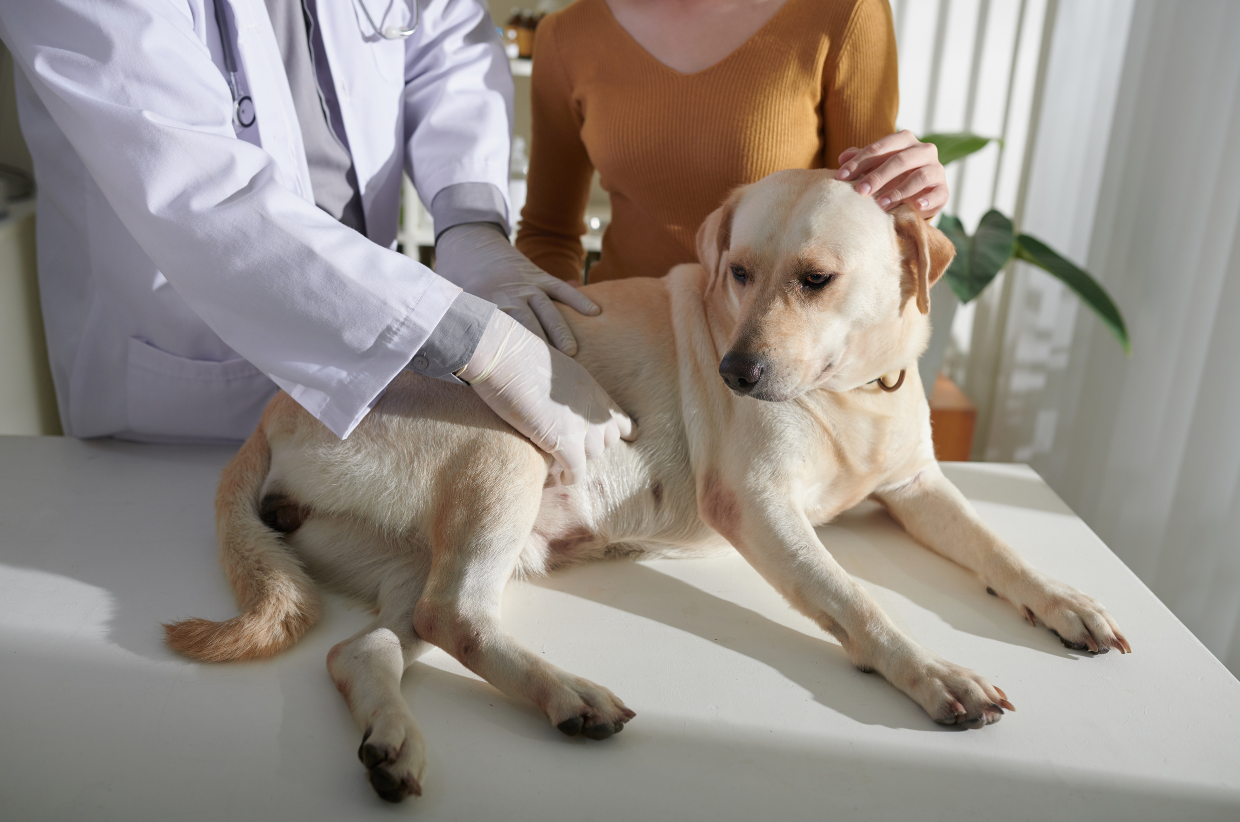
The mother may show a notable increase in appetite, and it’s common to observe changes in the dog’s eating behavior during lactation. Physical changes such as abdominal widening and mammary gland development are observed.
Third Phase: Weeks 7-9 and Birth Preparation (Days 49-63)
Weeks 7-8: Maximum Growth
During these weeks, the puppies reach 75% of their birth weight, highlighting the importance of milk production. The mother experiences the greatest nutritional demand of the entire pregnancy, especially in terms of caloric content, increasing up to 50% compared to the normal diet.
Space in the abdomen is considerably reduced, which can make it difficult to consume large amounts at once. It’s essential to divide the daily ration into 3-4 smaller meals to facilitate digestion and avoid discomfort.
Week 9: Birth Preparation
By the ninth week, the ration size will be approximately one-third larger than normal, and the expectant mother’s weight will have increased around 25-30% of her initial body weight.
The puppies have completely developed their coat and are ready to be born, highlighting the importance of proper nutrition for the pregnant dog. During this week, the mother may show nesting behaviors while preparing for her litter’s arrival, which can influence her diet, and a decreased appetite 24-48 hours before birth.
Specific Nutritional Needs by Stage
First Phase: Weeks 1-5 of Gestation
During the first weeks, protein needs gradually increase from 22% to 25% of the total diet. Proteins must be of high biological value to ensure the availability of essential amino acids like arginine, lysine, and methionine, fundamental for embryonic tissue synthesis.
Folic acid is critical during the first 4 weeks to prevent neural tube defects. Vitamins B6 and B12 are also essential for red blood cell formation and early neurological development.
During this phase, iron needs increase by 15% to support increased blood volume, while proper feeding of the dog during pregnancy plays a vital role. Zinc is fundamental for cell division and should increase by 10-15%.
Second Phase: Weeks 5-7 of Gestation
Protein needs rise to 28-30% of the total diet during this phase of accelerated growth. Branched-chain amino acids (leucine, isoleucine, and valine) are especially important for the puppies’ muscular development.
The calcium-phosphorus ratio should be maintained at 1.2:1 to 1.4:1 to optimize absorption. During these weeks, calcium needs increase by 25% and phosphorus by 20%. DHA is fundamental for the puppies’ brain and retinal development.
Third Phase: Weeks 7-9 and Birth
Protein needs reach their peak: 32-35% of the total diet, with digestibility above 85% to maximize absorption in a compressed digestive system. Energy needs increase 40-50% to feed your pregnant dog, requiring 18-22% fat in the diet.
Water needs increase 30-40% due to increased maternal blood volume, amniotic fluid formation, and preparation for lactation.
How to Feed Your Pregnant Dog at Each Stage
Recommended Feeding for Each Stage
First Phase: Weeks 1-5 of Gestation
During the first weeks of gestation, we maintain the usual ration but optimize each ingredient to maximize nutritional value to provide a solid foundation of highly bioavailable nutrients that prepare our furry friend’s organism for growing demands.
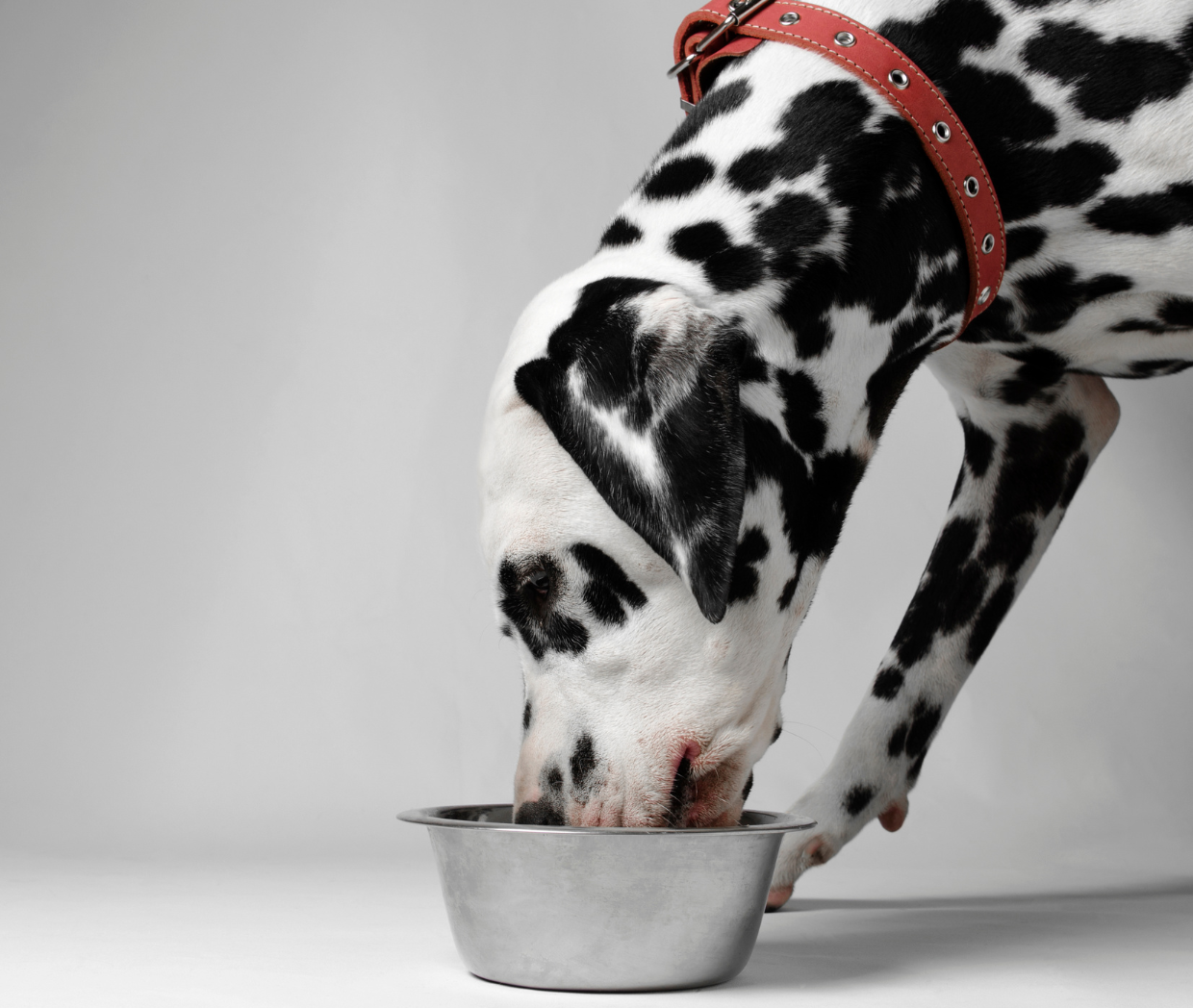
This is the ideal time to begin transitioning to high-quality puppy food if she’s not already consuming it. This transition should be done over seven to ten days to avoid digestive disorders, starting with a gradual mixture until reaching 100% of the new food.
When our furry friend experiences nausea, we can incorporate highly palatable foods like homemade chicken broths without salt, shredded boiled chicken, or small amounts of cooked liver to stimulate appetite. It’s important to serve foods at room temperature or slightly warm to intensify natural aromas.
Second Phase: Weeks 5-7 of Gestation
During this critical phase, we implement a gradual caloric increase that accompanies the puppies’ exponential growth. Puppy food becomes mandatory during this phase due to its higher nutritional and energy density. It contains approximately 30% more protein and 15% more fat than adult foods. During this phase, specific supplements like salmon oil to provide essential DHA and probiotics to maintain intestinal health may be necessary.
We establish a fixed schedule of three daily meals spaced evenly, allowing optimal digestion and maintaining stable blood glucose levels.
Third Phase: Weeks 7-9 and Birth Preparation
During these final weeks, abdominal space is considerably reduced, requiring a high-energy density nutritional strategy. The caloric increase reaches its peak of 40% to 50%, distributed in four to five small meals to avoid digestive discomfort.
Water needs intensify significantly, ensuring constant access to fresh water through multiple water bowls and monitoring daily intake, especially in the dog during lactation. During the last week, we maintain the same high-quality feeding that will continue during lactation, avoiding brand or food type changes to prevent digestive stress before birth.
Additional Care During Gestation
- Constant Hydration: Ensure she always has easy access to abundant clean, fresh drinking water to stay hydrated.
- Weight Control: Measure and control portions to prevent overeating and obesity development, as this would cause problems during gestation and birth, affecting proper feeding of the dog during pregnancy.

- Veterinary Supervision: Monitoring and consultation with a veterinarian are essential throughout pregnancy and lactation to adapt the diet according to each dog’s specific needs.
- Feeding During Lactation: Continue feeding her with the puppy formula she started eating during gestation. It’s essential to provide food in small, frequent portions throughout the lactation period. During weeks 1-3 of lactation, increase her daily meals from two to three to ensure the dog during lactation receives sufficient energy. In the fourth week, increase to four daily meals.
- Foods to Avoid: Some foods that may be safe for humans are toxic to dogs. During pregnancy, foods like chocolate, grapes, raisins, onions, garlic, and foods with high caffeine content should be completely avoided.
Conclusion
The nutrition of our beloved pregnant dogs requires specialized attention and a professional approach. Every calorie counts during gestation and milk production, and it’s crucial that the diet consists of nutrient-rich, high-quality foods.
Proper feeding during this period will ensure that both mom and her puppies are healthy and happy. It’s essential to remember that any doubts about feeding should be consulted with the veterinarian.
Gestation is a time of joy and expectation, but also of great responsibility. By providing adequate nutrition and maintaining constant veterinary monitoring, we will be ensuring the mother’s well-being and optimal development of the future puppies who will arrive to enrich our homes.
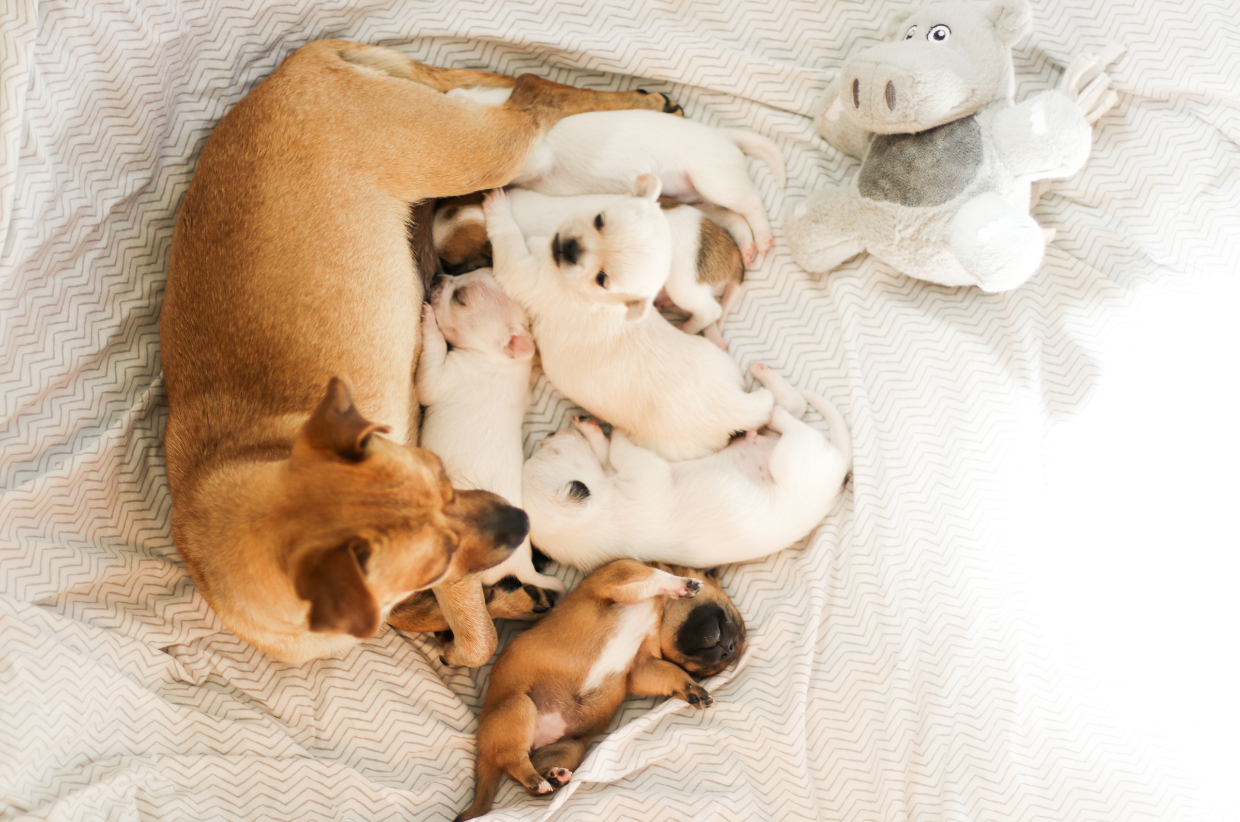
Frequently Asked Questions
Should I change solid foods to special kibble during my dog’s gestation phases to adjust caloric content?
It’s not necessary to completely change the food form, but rather gradually transition to high-quality puppy kibble that is richer in nutrients and suitable for pregnant females throughout the entire gestation period.
Can the dog’s size cause problems in choosing appropriate kibble, and what should a pregnant dog eat according to her weight?
Yes, size matters because a large dog needs more robust but less frequent portions, while a small dog should eat very small portions but more times daily, and it’s better to feed a pregnant dog with puppy kibble containing essential vitamins and minerals to maintain a healthy and well-fed dog.
Should I feed my pregnant dog small rations throughout the entire gestation period to ensure healthy puppy development?
Yes, especially in the final weeks when abdominal space is reduced, it’s better to give her smaller but frequent portions using quality kibble appropriate for pregnant dogs, as this improves the dog’s physical condition and meets the nutritional needs of both the mother and developing puppies.
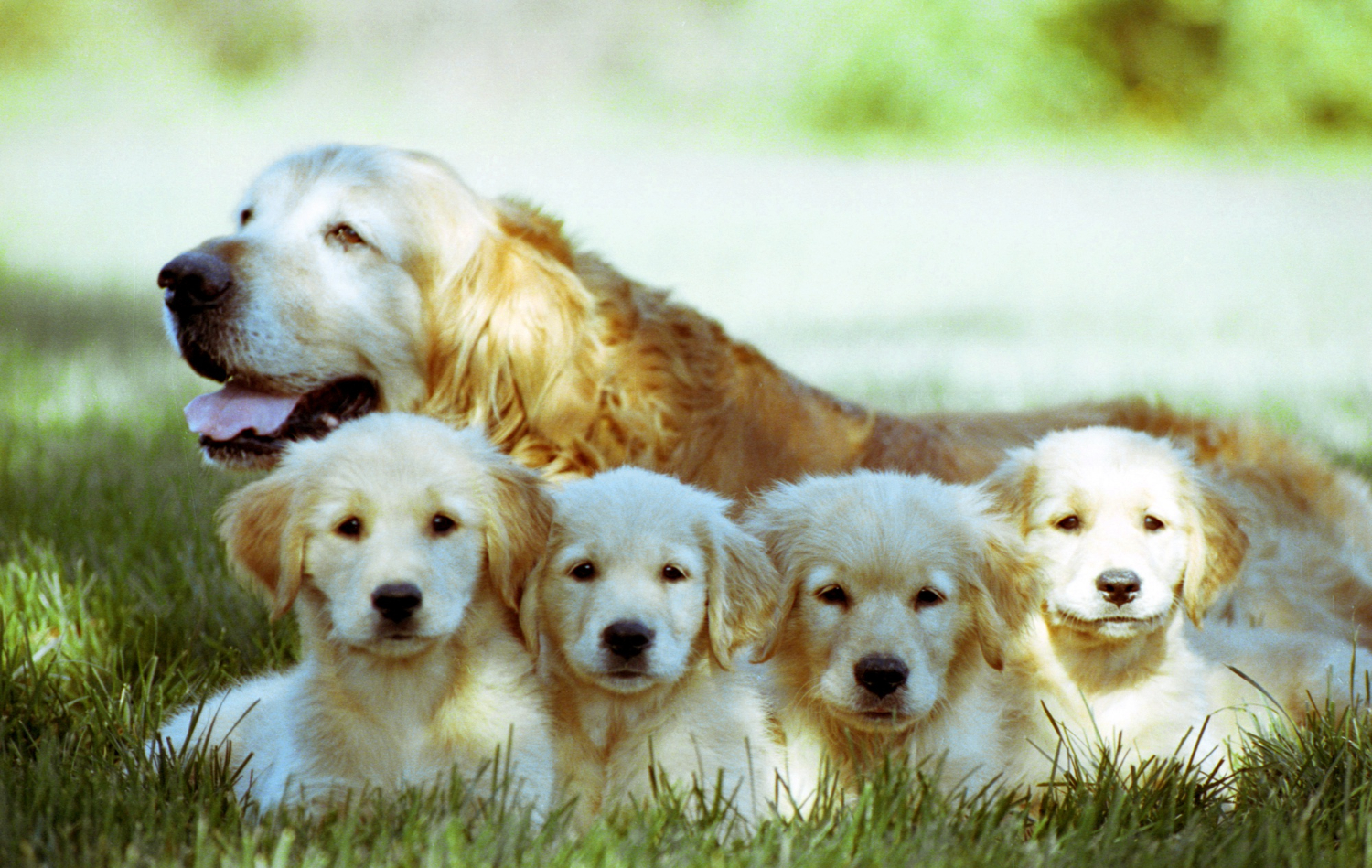
When should I feed my pregnant dog with adequate food specific for pregnant dogs and what can poor nutrition cause?
Inadequate nutrition during gestation can cause serious problems such as birth defects, low birth weight in puppies, or complications during labor. It’s better to feed with specific and nutrient-rich food starting from the fifth week of gestation, when the food intake significantly increases as necessary for the healthy development of the puppies.


