

New developments in the Animal Welfare Law 7/2023 regarding animal protection.
I’m sure you’ve noticed that our relationship with the animal in Spain is under going a structural transformation. As a society, we have decided to move towards a model of animal protection that guarantees well-being for those animals that live in our environment, recognizing them as sentient beings endowed with sensitivity.
This paradigm shift has materialized in the animal welfare law (Law 7/2023, of March 28), of rights and well-being of animals, whose objective is to establish a homogeneous regulatory framework throughout the national territory.
The entry into force of this new law This involves the creation of Positive Companion Animal List (LPAC) a technical tool that redefines the pet ownership If until now we operated with “negative lists” of prohibited species, now the approach is preventative: you can only keep as a pet those that are scientifically validated as suitable for cohabitation.
In this article, we break down how this regulation affects pets. wild mammals and what you should know about the pet in Spain under the umbrella of the new animal welfare law.
The positive result within the list of pets
The Positive List is a preventive tool designed to definitively define what animals belonging to species specific ones may be subject to keeping as a pet breeding and the animal trade The Ministry of Social Rights, Consumer Affairs and Agenda 2030 is the body responsible for carrying out the approval of the list after receiving the technical report from the Scientific and Technical Committee for the Protection and Rights of Animals.
It is essential that each pet owner distinguish between the list of animals that are being developed to shape the final list:
- List of Domestic Companion Species (LEDC):It includes the domestic animal who has gone through a process of domestication real, where their genotype and phenotype have been significantly altered after centuries of selection and coexistence with humans.

- Positive Companion Animal List (LPAC):It focuses specifically on the wild animals in captivity which, after rigorous expert analysis, are considered suitable for domestic life without compromising the biodiversity. The following link leads directly to the BOE (Official State Gazette):
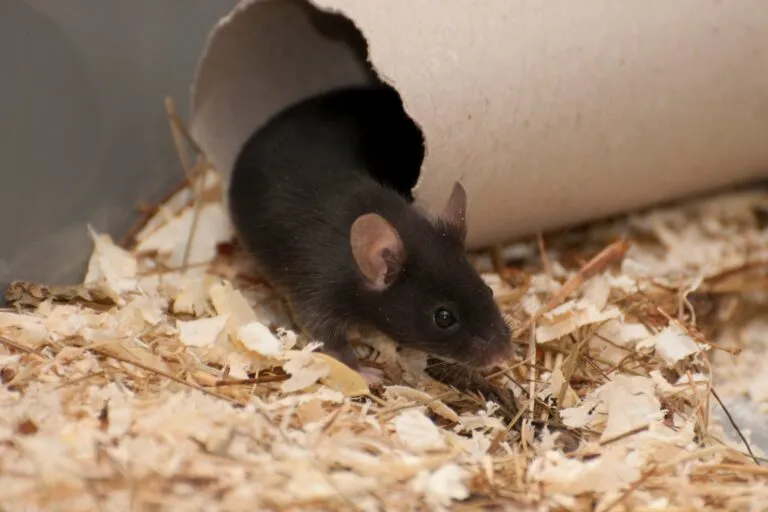
This new list of species It not only seeks well-being, but also to mitigate the economic impact of illegal trafficking on legal operators, ensuring that the sale of animalsis carried out under controlled conditions.
Animal welfare and criteria for including animals belonging to species
The inclusion of a species in these groups of animals the permitted criteria are based on technical requirements that seek to protect the integrity of people and animals.
The weight threshold to ensure the well-being and protection of people and animals
For a wild mammal the most decisive filter is weight. The draft Royal Decree establishes that species exceeding 5 kilograms in adulthood cannot be included.
This measure aims to prevent the specimen from being pose a serious risk of physical damage, since wild animals retain instincts of territoriality and self-defense which, combined with a significant body mass, represent a danger that is difficult to manage in a private home people or other animals.
Animal health and the risk of wild animals in captivity
The close biological relationship between humans and other mammals facilitates the transmission of diseases, known as zoonoses.
According to reports from the European Food Safety Authority (EFSA), pathogens such as Salmonella, Campylobacter the Listeria monocytogenes. They exhibit contagion trends that require strict control to prevent a exotic animal may pose a risk Unsustainable sanitary conditions.
If a wild species may pose a serious risk that cannot be controlled through protocols of a veterinarian, the technical committee will advise against its inclusion.
Animal abuse and the precautionary principle for the protection of dignity
If there is scientific uncertainty about whether a species can have its needs met physiological, ethological and social in captivity.
The administration will apply the precautionary principle and opt for its exclusion. This avoids situations where animal abuse negligent due to the impossibility of replicating complex habitats in a home.
| Pet Category in Spain | Exclusion Criteria / Limitation | Reference |
| Primates | Total ban on all specimens of the order Primates. | Art. 36 Law 7/2023 |
| Wild Mammals | They should not exceed 5 kg in adulthood. | Draft RD List |
| Reptile | Exclusion of poisonous animals and > 2 kg (except turtles). | Law 7/2023 |
| Invasive species | Total prohibition if they are listed in the Spanish Catalogue of IAS. | RD 630/2013 |
Production animals and their status as domestic animals in Spain
One of the most significant innovations of Law 7/2023 is the unprecedented flexibility it offers to animals traditionally raised for livestock (cattle, sheep, goats, pigs, etc.). Historically, these animals were governed exclusively by the REGA system; Royal Decree 479/2004, concerning the General Register of Livestock Farms (REGA), identifies farms using a unique 12-character code (starting with “ES” for Spain).
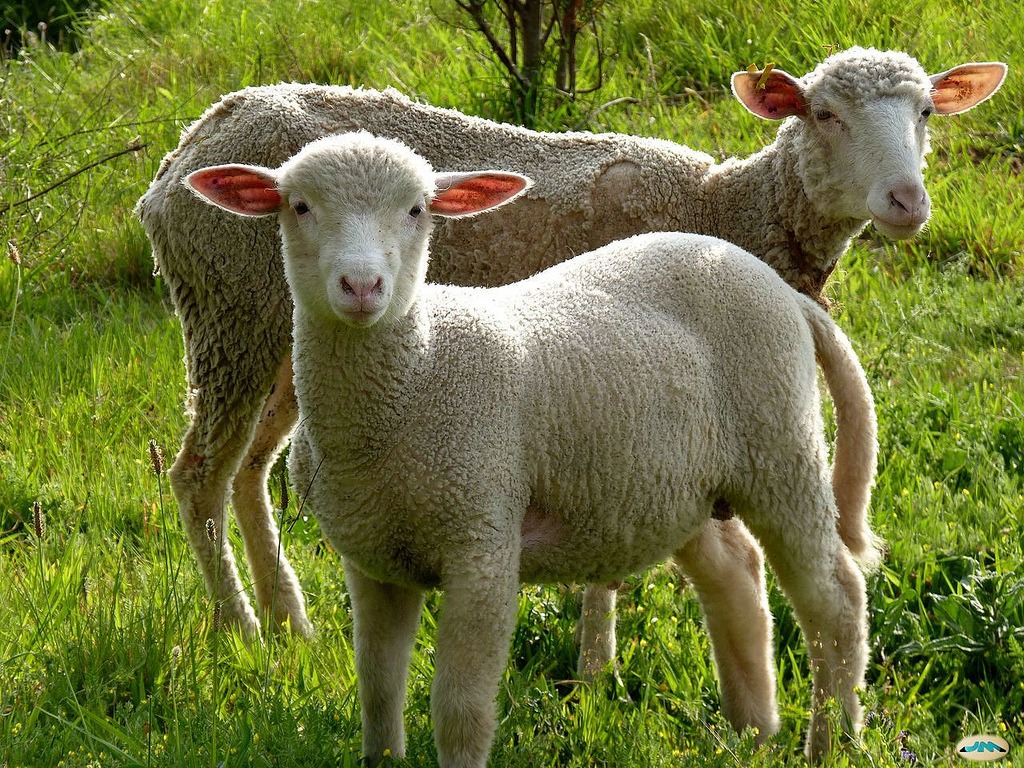
However, now you can change the consideration of animals Your property: if they lose their commercial purpose, they can be registered as pets in the corresponding registry. By doing so, the animal receives the protection of rights against unjustified slaughter or mistreatment, although its basic health regulation remains zootechnical to protect national food security.
The keeping of primates is prohibited: The risk of exotic animals in the new law
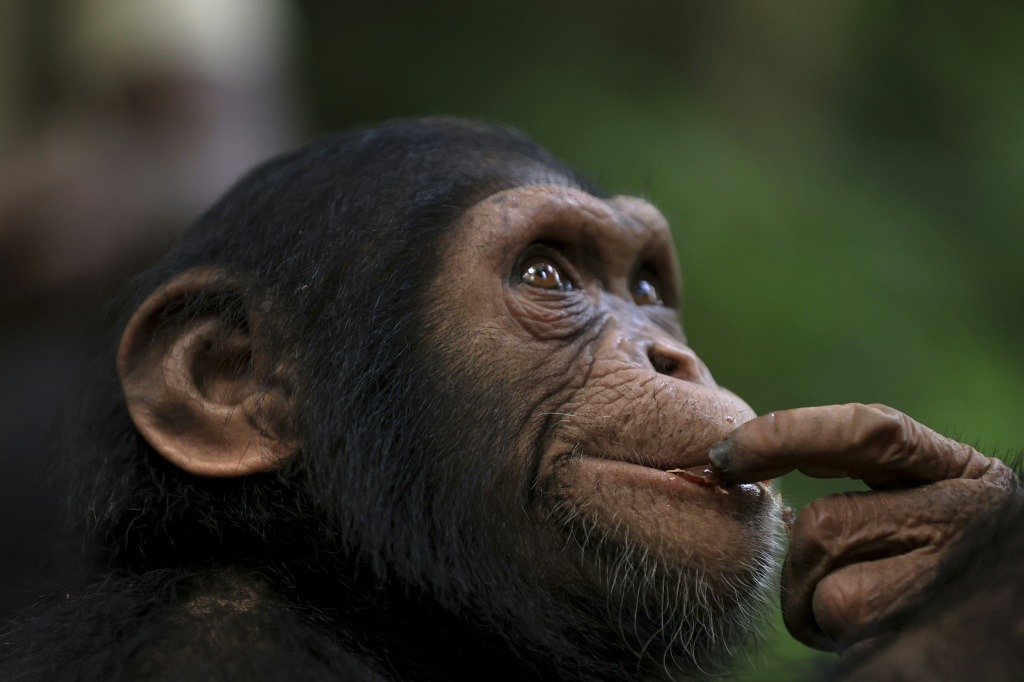
The law is unequivocal regarding primates (monkeys, chimpanzees, lemurs):is prohibited their keeping as pets. This decision seeks to protection of dignity Their social needs are so extreme that domestic isolation causes them serious psychological distress.
Furthermore, their genetic similarity to humans facilitates the transmission of dangerous pathogens, posing a critical public health risk that state regulations must decisively prevent.
Situation of other animal groups: What pet can you have at home?
If you’re wondering whattype of animal you can have at homeYou should know the current status of the most common species:
- Rodents and rabbits:Species such as hamsters, guinea pigs, chinchillas, and rabbits are currently in a transitional phase. Until the final list is approved, keeping them is legal as long as they do not pose a risk to biodiversity. However, some drafts and technical analyses suggest that species with complex ecological needs could be excluded in the future.
- Hedgehogs:Hedgehogs, especially the African hedgehog, are in a precarious situation. Regulations tend to prohibit their ownership because their behavioral needs are difficult to meet in captivity and because of their status as an exotic species with the potential for environmental impact.
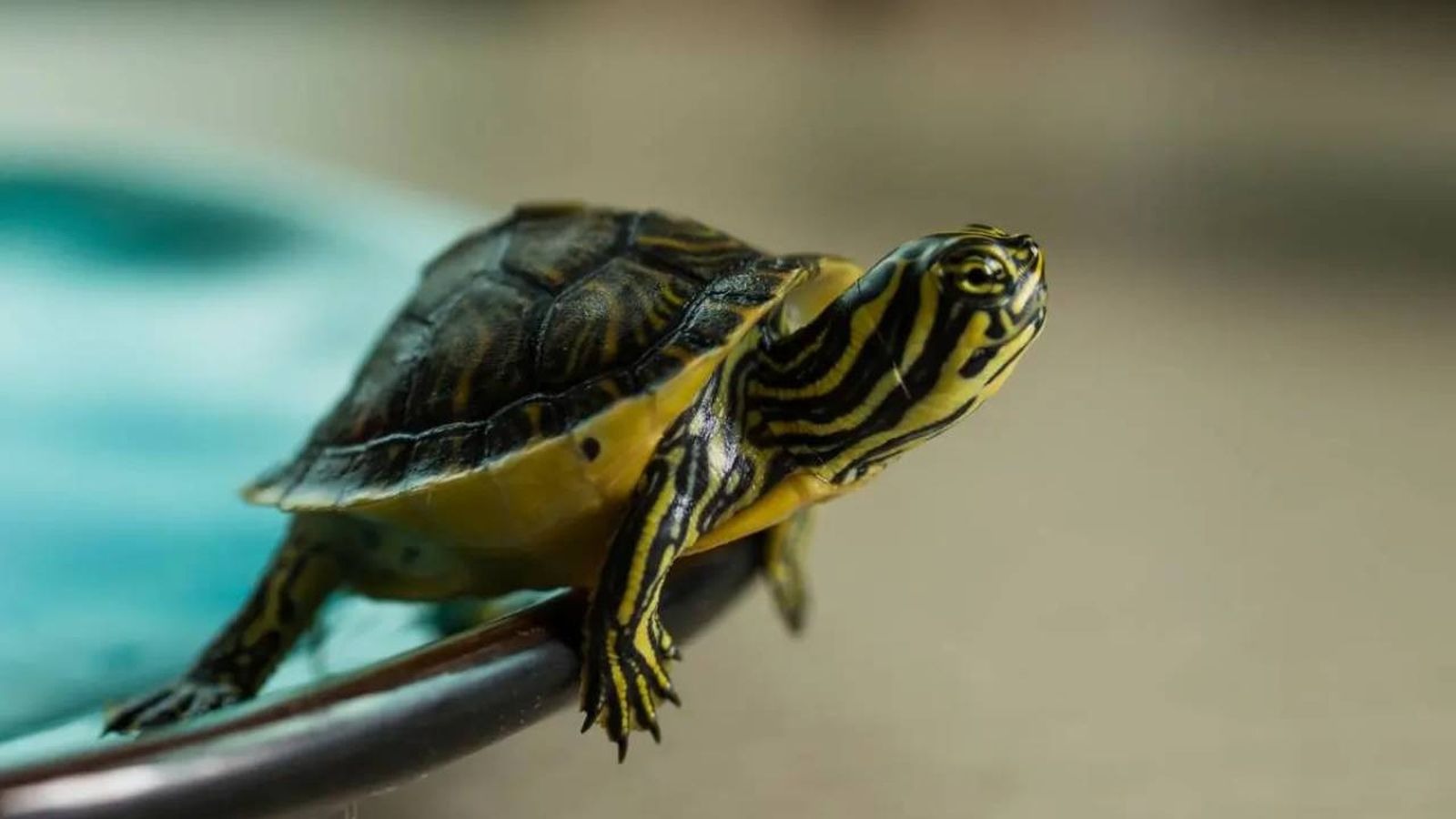
- Turtles and reptiles:Turtles (chelonians) are an exception to the 2 kg weight limit set for other reptiles; you can keep larger turtles as long as they are not invasive. However, exotic snakes, geckos, or iguanas are subject to stricter regulations if they exceed the permitted weight or possess venom glands.
- Birds:Common pet parrots are generally permitted, but the law requires them to be identified by banding from birth. Invasive species such as parakeets or specimens whose captive breeding poses a problem for biodiversity may be excluded from the final lists.
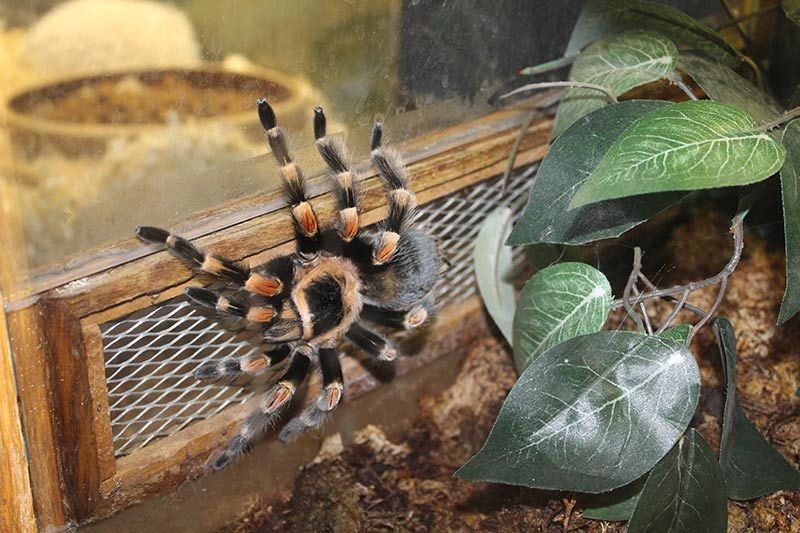
- Arachnids:The law expressly prohibits the possession of spiders, scorpions, or other arthropods whose bite or venom may pose a serious risk to the health of people or other animals.
Keeping and breeding animals not included in the list
If you live with an animal that is ultimately not included on the positive list, the law establishes mechanisms so that you do not have to get rid of it in a traumatic way:
- Mandatory communication:You will have a period of six months to inform the regional authorities about the ownership of the animal.
- Exceptional authorization:You may authorize its stay with you until its death, provided you guarantee its identification, sterilization (to prevent illegal breeding) and optimal safety conditions.
- Seizure:If you cannot guarantee its well-being or the animal represents a real danger to public safety, the authorities may relocate it to accredited wildlife protection centers.
Conclusion regarding animals in Spain: Sector-specific regulations at the state level for animal owners
The implementation of the Positive List places Spain on par with the most advanced legal frameworks in Europe. By prioritizing science and welfare over individual desires, the State protects animals, biodiversity, and public health. Remember that owning a pet is not only a right, but also a commitment to care that we must fulfill by respecting the inherent nature of each species.
Frequently Asked Questions
How does the animal welfare law affect animal-assisted therapies?
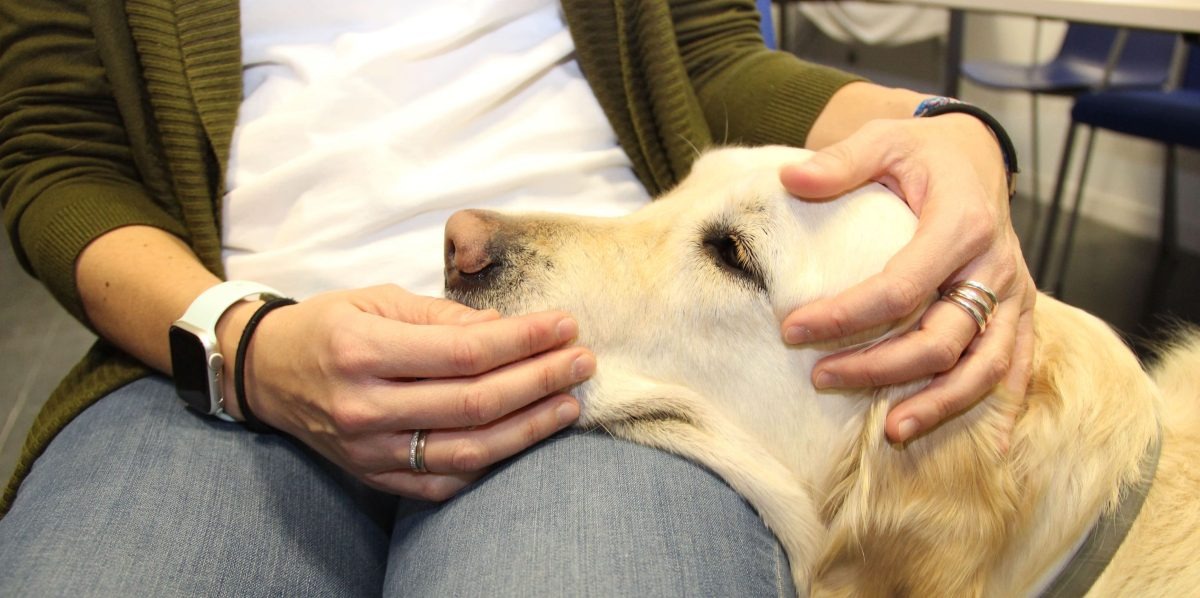
If the therapy animal is a wild species, it must be included on the approved list or have specific administrative authorization from its autonomous community. This authorization must justify in detail its social function and ensure that its well-being is not compromised by the therapeutic activity at any time.
What criteria are applied for inclusion in the List of Domestic Species (LEDC)?
The Scientific Committee assesses whether the species originates from a well-established domestication process that has significantly altered its genotype and phenotype compared to its original ancestor.
This technical analysis ensures that the animal can live stably in captivity without posing any reasonable danger to humans.
The following link contains the Draft Royal Decree for the Development of the List of Domestic Companion Species and the Positive List of Companion Animals: https://colegioveterinarios.net/wp-content/uploads/2025/11/24.11.2025-RD-Listado-Positivo.pdf
How can we prevent farm animals registered as pets from re-entering the food chain?
Once registered as a pet, the traceability system automatically blocks its entry into slaughterhouses to guarantee the safety of the national food chain. Reversing this legal status is nearly impossible due to any veterinary treatments the animal may have received throughout its life.
Will the responsible pet ownership course be mandatory for all species?
The regulations establish the obligation to hire aliability insuranceThis policy applies to dogs, although authorities recommend extending coverage to any pet. It should cover potential property damage or personal injury that the animal may cause to third parties in its environment.


